
To buy a high-quality brass lion sculpture, you must verify the metal’s authenticity, evaluate the casting precision, inspect the surface finish, and assess the anatomical or stylistic proportions. A genuine brass piece serves as a timeless statement of strength and elegance, but the market is filled with lightweight resin imitations, plated zinc alloys, and poorly finished mass-produced castings. Knowing how to spot these differences ensures your investment retains both its aesthetic appeal and physical durability.
Whether you are looking for a majestic guardian lion for an entryway or a sleek, modern abstract piece for a study desk, understanding the physical characteristics of quality brass is essential. By focusing on material composition, craftsmanship, and structural integrity, you can confidently select a sculpture that will stand the test of time.
Verifying Material Authenticity and Composition
The first step in evaluating any brass lion sculpture is confirming that the piece is actually made of solid brass. Brass is a non-ferrous alloy of copper and zinc, giving it a distinct weight, color, and magnetic profile.
Products mentioned in this guide
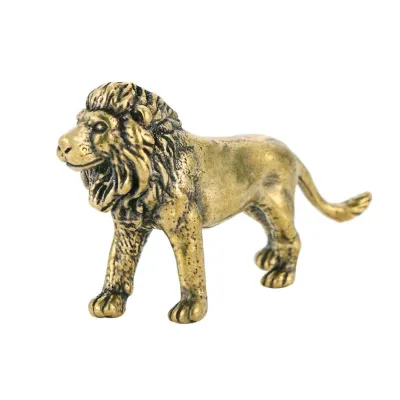
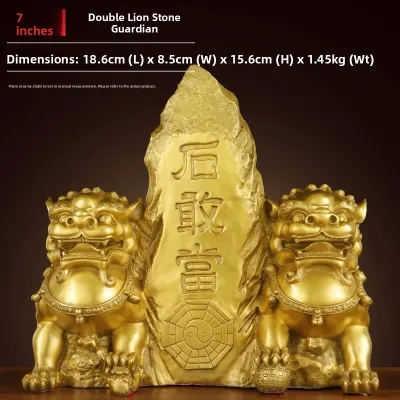
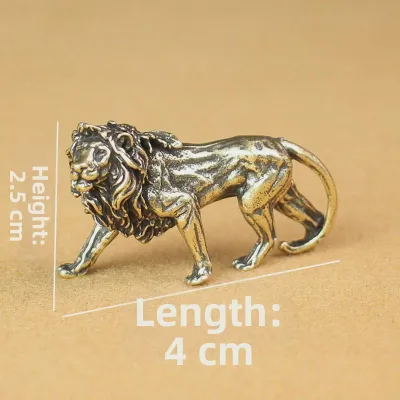
Prices are valid at publication and may change. Please refer to the product page for the latest price.
A simple magnet test is highly reliable for ruling out iron or steel cores. Because brass is non-magnetic, a magnet will not stick to a genuine brass sculpture. If the magnet clings tightly, the piece is likely iron or steel with a thin brass plating, which is prone to rusting if scratched.
Weight and density also provide immediate clues. Solid brass is heavy and substantial; even a small sculpture should feel surprisingly heavy when lifted. If a large sculpture feels unusually light or warm to the touch, it may be hollow resin or plastic coated with a metallic finish.
To check further, inspect unpolished areas like the underside of the base. True brass has a consistent golden-yellow metallic color throughout. If you spot silver-grey metal where the finish has worn away, the piece is likely zinc or aluminum.
Finally, listen to the acoustic resonance by gently tapping a thick section of the metal with a wooden coin or ring. High-quality brass produces a clear, ringing, bell-like tone. Cheap pot metals, zinc alloys, or resin-filled pieces produce a dull, flat thud.
Assessing Casting Quality and Craftsmanship
Once you have verified the material, evaluate the casting process to distinguish fine craftsmanship from cheap, mass-produced alternatives. High-quality brass sculptures are typically created using sand casting or the intricate lost-wax casting method, both requiring careful mold preparation and finishing.

Begin by checking for visible casting seams, flash, or rough edges. Casting seams occur where mold sections meet during pouring. In premium sculptures, artisans grind and polish these seams until they are virtually invisible, whereas low-quality pieces often retain prominent, sharp ridges.
Next, inspect the surface closely for pitting, tiny air bubbles, or sand holes. These imperfections occur when gas is trapped in molten metal or when the mold material crumbles. A few minor irregularities are normal in handmade items, but excessive pitting compromises both aesthetics and structural integrity.
The stability of the base is another critical indicator. Place the sculpture on a flat surface, such as a glass tabletop, and check if it rocks. A high-quality sculpture has a flat, evenly ground base that sits securely, preventing accidental tipping that could damage furniture.
If the sculpture is hollow-cast, try to inspect the wall thickness through the base opening. Consistent wall thickness indicates superior temperature control and mold alignment. Uneven walls create weak points, making the sculpture more susceptible to cracking under stress.
Evaluating Surface Finish and Patina
The surface finish defines the visual character of your brass lion and protects the underlying metal from rapid oxidation. Finishes range from highly reflective polished brass to dark, weathered antique patinas.
Observe the color transitions and shading across the surface. A high-quality patina is chemically or thermally applied, creating rich, deep color variations that naturally highlight the lion’s muscles and facial features. Cheap finishes often look flat, uniform, and painted on, lacking the depth of a genuine chemical patina.
Carefully check the crevices for signs of peeling, flaking, or bubbling. These flaws indicate that a low-quality clear coat or tinted paint was sprayed over the metal to mimic a patina. Over time, these artificial coatings degrade, leaving the sculpture looking patchy.
Understand the maintenance requirements of different finishes before purchasing. Polished brass is bright and reflective but will naturally tarnish unless sealed with a protective lacquer. Raw, unlacquered living finishes gradually darken and develop a unique character based on handling and environmental exposure.
Ensure the chosen finish aligns with your home’s overall aesthetic. A highly polished golden brass lion suits formal, classical, or modern glam interiors, while a dark, weathered, or verdigris patina fits beautifully into rustic, industrial, or traditional decors.
Inspecting Design Details and Proportions
The artistic execution of a brass lion sculpture elevates it from a simple metal object to a captivating piece of art. Take the time to study the anatomical accuracy, detail clarity, and stylistic coherence of the design.
Examine the facial features, muscle definition, and claws. High-quality sculptures feature crisp, deep carving where the eyes look expressive, the snout is well-defined, and the teeth are sharp. Soft, blurred, or muddy details suggest the mold was worn out or the casting was not properly finished after cooling.
Pay close attention to the texture and flow of the mane. The mane should have a natural sense of movement and volume, with individual strands or stylized tufts clearly defined. The musculature of the shoulders, flanks, and paws should look powerful and anatomically plausible, even in stylized or abstract designs.
Confirm that the proportions match the intended design style. Traditional Chinese guardian lions (Foo Dogs) have specific symbolic proportions, featuring curly manes and ornamental collars. Western-style lions are typically more anatomically realistic, while modern abstract designs simplify these forms into clean, geometric planes.
Finally, evaluate the visual balance from all viewing angles. Walk around the piece and look at it from the front, sides, and back. The weight distribution should feel balanced and intentional, ensuring the lion looks majestic and proportional from every angle.
Determining Fair Value and Sizing for Your Space
When shopping for a brass lion sculpture, pricing varies widely. Understanding how to evaluate fair value and choose the right size will help you make a smart purchase that fits your budget and your home.
Judge pricing based on material weight, craftsmanship complexity, and artisan reputation rather than physical dimensions alone. A small, solid brass lion created using the lost-wax method and finished by hand can be far more valuable than a large, thin-walled, mass-produced sand-cast piece.
Before buying, measure the intended display area, such as a console table, mantel, or bookshelf. A heavy brass sculpture needs adequate breathing room; placing a large lion on a small, crowded shelf can make the space feel cramped. Ensure there is enough clearance to appreciate its details.
Consider the structural weight and handling requirements, especially in compact Singapore apartments or condominiums. Solid brass is heavy, and a medium-sized sculpture can easily weigh several kilograms. Ensure that your floating shelves, glass-front cabinets, or side tables are sturdy enough to support the weight safely.
Lastly, factor in long-term value by prioritizing durable construction and timeless design over fleeting decorative trends. A well-made brass lion sculpture is highly durable and can easily last for generations, making it a worthwhile investment that retains its value.
Frequently Asked Questions (FAQ)
How do I clean and maintain a brass lion sculpture?
For routine maintenance, dust your brass lion sculpture regularly with a dry, soft microfiber cloth. If the sculpture accumulates grime, wash it gently with lukewarm water and a few drops of mild, pH-neutral dish soap, then dry it immediately and thoroughly with a clean towel to prevent water spots.
Never use abrasive cleaners, steel wool, or harsh chemical solvents, as these can scratch the soft brass or strip away protective lacquer coatings and hand-applied patinas. If your sculpture has an unlacquered living finish, it will naturally darken over time; you can let it age naturally or polish it occasionally with a specialized brass cleaner.
In Singapore’s warm, humid tropical climate, unlacquered brass will tarnish and develop a natural patina much faster than in dry climates. To slow this down, keep the sculpture away from open windows, air conditioning drafts, or high-humidity areas like bathrooms, and consider applying a thin coat of high-quality microcrystalline wax.
Does a brass lion sculpture hold specific cultural or feng shui significance?
Lions have long served as symbols of power, courage, and protection across both Western and Eastern cultures. In many Asian traditions, guardian lions are placed near entrances to ward off negative energy, while in Western art, they often represent royalty, strength, and leadership.
When displaying a brass lion for aesthetic or symbolic purposes, place it where it feels visually balanced and harmonious with your existing decor. Common placements include positioning a pair of lions flanking a main entrance, placing a single lion on a study desk, or displaying one on a living room console table.
Be cautious of sellers charging exorbitant premiums based solely on unverified metaphysical claims or complex placement rules. Focus instead on the physical quality, material authenticity, and artistic value of the sculpture, ensuring it is a piece you genuinely enjoy.

Community discussion
Share your experience or ask a question. Comments are reviewed before publication.