
When buying a copper incense burner, you must evaluate the purity of the metal, the construction method, the ash catchment design, and the built-in safety features. Because copper is an exceptional conductor of heat, understanding how a burner manages thermal energy is just as important as choosing an aesthetic style. A well-chosen burner not only enhances your aromatherapy rituals but also ensures safe operation within your living space.
In regions with high humidity, such as Singapore, the choice of surface finish becomes a primary decision. Raw copper will interact with the moisture in the air to develop a unique patina over time, while lacquered options maintain their polished shine with minimal effort. By focusing on material weight, stability, and airflow design, you can select a durable piece that safely accommodates your favorite incense sticks, cones, or coils.
Understanding Copper Grades and Construction
Evaluating the material quality of a copper incense burner is the first step to ensuring durability and authenticity. Genuine copper is highly valued for its weight, warmth, and natural antimicrobial properties. However, the market contains many alternatives, including brass (a copper-zinc alloy), bronze (a copper-tin alloy), and zinc or iron bases plated with a thin layer of copper.
Products mentioned in this guide
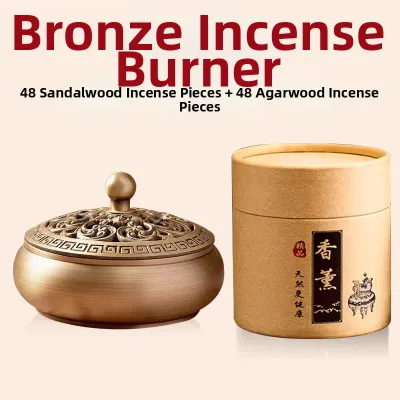
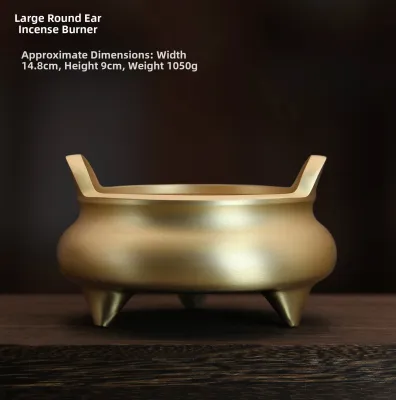
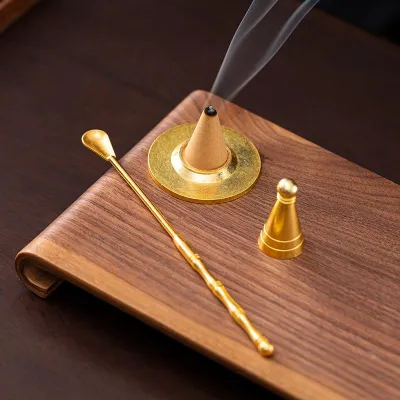
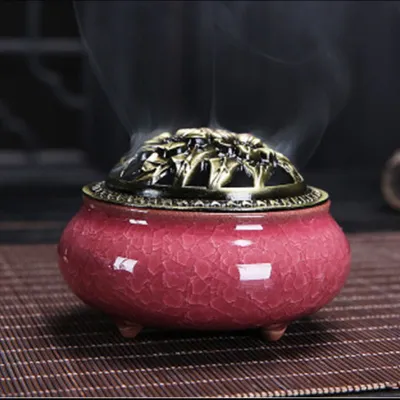
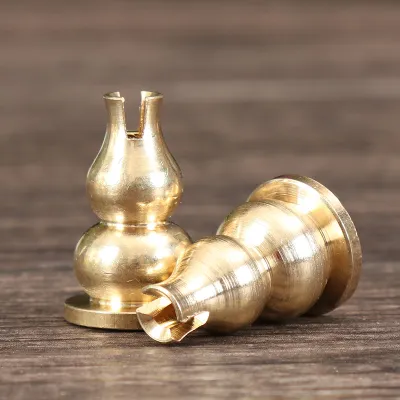
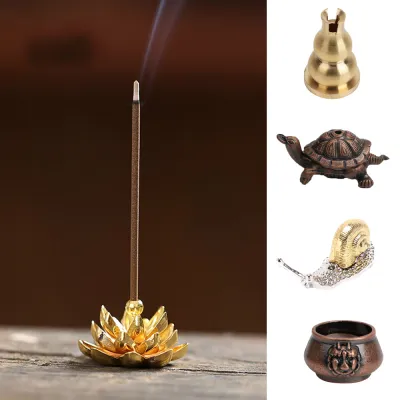
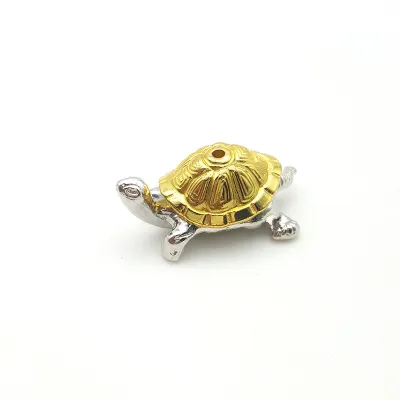
Prices are valid at publication and may change. Please refer to the product page for the latest price.
To distinguish solid copper from plated alternatives, start by checking the product specifications and manufacturer claims. Solid copper burners have a distinct, substantial weight that feels heavy for their size. If you are shopping in person, you can perform a simple magnet test; pure copper is non-magnetic and will not attract a magnet. If a burner strongly attracts a magnet, it likely features an iron or steel core with a thin copper plating, which may wear away or peel over time when exposed to heat and moisture.
Material thickness is another critical factor that directly impacts safety and longevity. Thicker copper walls absorb and dissipate heat more evenly, preventing the exterior of the burner from reaching dangerously high temperatures too quickly. Thin-walled burners can warp under the intense heat of burning charcoal or direct contact with incense cones, and they are much more prone to denting if accidentally dropped.
The construction method also influences both the structural integrity and the visual character of the burner. Cast copper burners are created by pouring molten metal into a mold, resulting in a seamless, heavy, and highly stable piece. These burners often feature intricate relief patterns, thick walls, and a solid base that resists tipping. Handmade hammered copper burners, on the other hand, are shaped from flat sheets of metal. They display unique dimpled textures and a more organic aesthetic, but they require careful inspection to ensure the joints and seams are securely welded and leak-proof.
Design, Size, and Ash Catchment
The physical design of your copper incense burner must align with the specific type of incense you plan to burn. Different incense formats—such as bamboo-core sticks, solid dhoop sticks, cones, and coils—disperse ash in distinct patterns. Matching the burner’s dimensions to your preferred incense prevents messy cleanup and protects your furniture from hot embers.

For stick incense, the width and length of the ash catchment area are paramount. Standard incense sticks release ash that falls in a gentle arc as the stick burns down. If the catchment tray or bowl is too narrow, the ash will spill over the sides onto your tabletop. Look for burners with wide, flared rims or long, trough-style trays that extend well past the angle of the inserted stick.
Lid designs also play a significant role in how smoke is dispersed throughout your room. Closed-top burners, often referred to as censers, feature decorative cutouts in the lid that allow smoke to drift out in elegant, diffused plumes. This design is excellent for creating a subtle, lingering aroma and preventing drafts from scattering the ash. However, open-top burners are preferred if you enjoy watching the direct rise of the smoke or if you burn thicker incense sticks that require unrestricted oxygen to stay lit.
Finally, consider the overall footprint and height of the burner relative to your dedicated space. In compact urban apartments, altar tables, study desks, and meditation shelves often have limited surface area. A burner with a compact footprint but a deep bowl can hold a surprising amount of ash without taking up excessive space. Ensure the height of the burner allows for easy access when lighting the incense and does not interfere with low-hanging shelves or wall decorations.
Functional Features and Safety Checks
Safety should always be a primary consideration when introducing open flames or burning materials into your home. Because copper transfers heat so efficiently, the entire body of the burner can become extremely hot during use. Evaluating the burner’s built-in safety features will help prevent accidental burns, scorched surfaces, and fire hazards.
Look for burners designed with integrated heat-resistant features. Many traditional copper censers feature elevated tripod feet, which lift the hot base of the burner away from your furniture. This air gap prevents heat from transferring directly to delicate wooden tables or stone countertops. If the burner has a flat base, check if the manufacturer includes a heat-resistant pad, such as a felt, stone, or silicone coaster, to place underneath the metal.
Proper ventilation is essential for any burner that utilizes a lid. Without adequate airflow, the oxygen inside the burner is quickly consumed, causing the incense to extinguish prematurely. Inspect the lid to ensure the ventilation holes are clean, well-spaced, and large enough to facilitate a steady intake of fresh air and a smooth exhaust of smoke. The interior chamber should also have enough clearance so that the burning tip of the incense does not come into direct contact with the metal walls or lid.
Stability is the ultimate defense against accidental tipping, especially in active households with pets or young children. A high-quality copper burner should have a low center of gravity and a heavy, weighted base. If you choose a lidded design, ensure the lid fits securely onto the base without wobbling. Some models feature threaded lids that screw into place, providing an extra layer of security if the burner is accidentally bumped.
Evaluating Patina and Finish Options
The surface finish of a copper incense burner determines not only its initial appearance but also how it will age and the level of maintenance it will require. Copper is a reactive metal that undergoes natural chemical changes when exposed to oxygen, moisture, and the oils from your hands.
Lacquered copper burners are treated with a clear protective coating that seals the metal, preventing it from reacting with the surrounding air. This finish preserves the bright, warm, salmon-pink shine of polished copper indefinitely. Lacquered burners are highly convenient for those who prefer a clean, modern aesthetic and want to avoid regular polishing. However, you must never use abrasive cleaners or harsh chemicals on these surfaces, as scratching the lacquer will expose the underlying copper, leading to patchy, uneven tarnishing.
Raw, unlacquered copper is favored by those who appreciate the traditional, evolving beauty of the metal. Over time, raw copper reacts with the environment to develop a rich patina, transitioning from a bright orange-gold to deep bronze, brown, and eventually a powdery green verdigris. This aging process is entirely natural and gives each burner a unique character. In humid climates like Singapore, this oxidation process occurs much more rapidly due to the moisture in the air.
Maintaining raw copper requires a personal choice: you can either allow the patina to develop naturally or periodically polish the metal to restore its original luster. If you prefer the aged look, maintenance is as simple as wiping away ash. If you prefer the bright shine, you will need to use specialized copper polishes or natural acidic mixtures (like lemon juice and salt) to remove the oxidation layer regularly.
Pre-Purchase Checklist and Retail Considerations
Before finalizing your purchase, running through a quick verification checklist will ensure you receive a high-quality product that meets your expectations. Confirming the physical specifications and understanding the retailer’s policies will help you avoid common purchasing pitfalls.
First, verify the exact dimensions and weight of the burner listed in the product description. Ensure the inner diameter of the holder matches the thickness of the incense sticks you use, as some traditional burners only accommodate very thin or very thick sticks. Check if the package includes essential accessories, such as a multi-hole brass incense holder, a cleaning brush, or a fireproof cotton felt pad for burning cones directly on the base.
When choosing where to buy, specialized home decor and aromatherapy retailers are often the most reliable sources for authentic copper burners. These sellers typically provide detailed material specifications, clear care instructions, and responsive customer service. Check their return policies to ensure you can return the item if it arrives with manufacturing defects or does not match the described weight.
If you are purchasing from a general online marketplace, pay close attention to verified buyer reviews. Look for customer photos that show the actual color and finish of the burner, and read comments regarding the packaging quality. Because copper is a relatively soft metal, poor packaging during transit can result in dents or bent rims. Reliable sellers will use sturdy boxes and ample bubble wrap to protect the burner during shipping.
Frequently Asked Questions (FAQ)
How do I clean a raw copper incense burner without damaging it?
To clean a raw copper incense burner, wash it gently with warm water, mild dish soap, and a soft microfiber cloth to remove ash residue and oily resin buildup. Avoid using steel wool, abrasive scrubbing pads, or harsh chemical cleaners, as these will scratch the soft metal surface and strip away any naturally developing patina. If you wish to restore the bright, original shine of the copper, apply a specialized copper polish or a paste made of equal parts lemon juice and baking soda, rub gently in circular motions, rinse thoroughly, and dry immediately with a clean towel to prevent water spots.
Can a copper incense burner be used outdoors?
Yes, a copper incense burner can be used outdoors, but environmental exposure will significantly accelerate its natural aging process. Rain, high humidity, and salty air will cause raw copper to oxidize rapidly, turning it a dark brown or green color much faster than it would indoors. Additionally, wind can easily blow ash out of open-top burners, creating a mess or posing a fire hazard. If you plan to burn incense outdoors, choose a heavy, cast burner with a secure lid to shield the embers from drafts, place it on a stable, non-combustible surface, and bring it back indoors once it has completely cooled.

Community discussion
Share your experience or ask a question. Comments are reviewed before publication.