
Selecting authentic brass pooja items for your home altar is a meaningful process that combines cultural tradition with practical home decor. In Singapore, where prayer spaces range from dedicated rooms to compact wall-mounted shelves in high-rise apartments, choosing the right brassware requires a balance of aesthetic appeal, structural safety, and material durability. High-quality brass withstands the heat of daily rituals and develops a beautiful patina over time, serving as a lasting focal point for spiritual practice.
Navigating the market requires a keen eye, as modern manufacturing has introduced various alternatives that mimic the appearance of solid brass. From brass-plated zinc to resin-core items, the differences in longevity and safety are substantial. By understanding how to evaluate metal grades, inspect casting quality, measure spatial proportions, and verify seller credentials, you can confidently curate a collection of sacred items that are both beautiful and safe for daily use.
Understanding Brass Grades and Finishes
To build a durable prayer altar, you must first learn to distinguish solid brass from plated, painted, or alloy alternatives. Solid brass is an alloy of copper and zinc, valued for its weight, acoustic resonance, and resistance to corrosion. In contrast, brass-plated items consist of a cheaper base metal, such as iron, steel, or zinc, covered with an incredibly thin layer of brass. Over time, especially when exposed to the moisture, oils, and heat typical of pooja rituals, this plating can wear away, exposing the rust-prone metal underneath.
Products mentioned in this guide
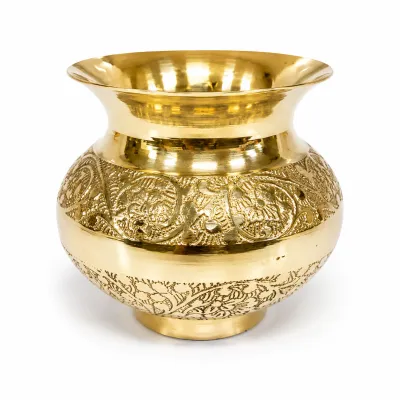
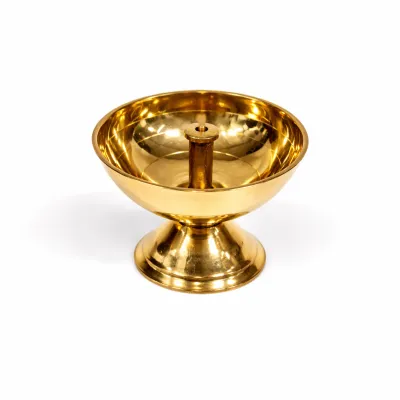
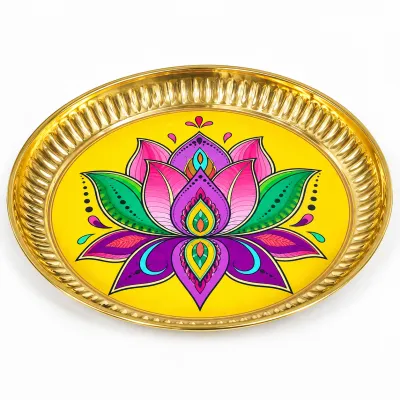
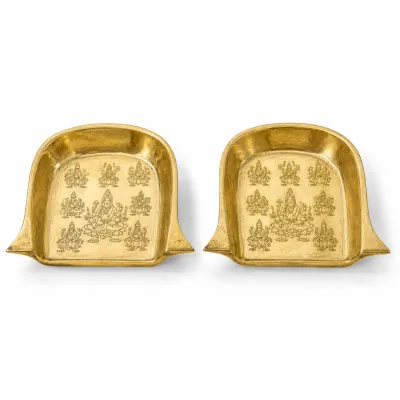
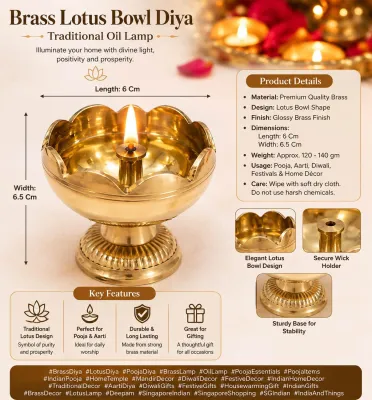
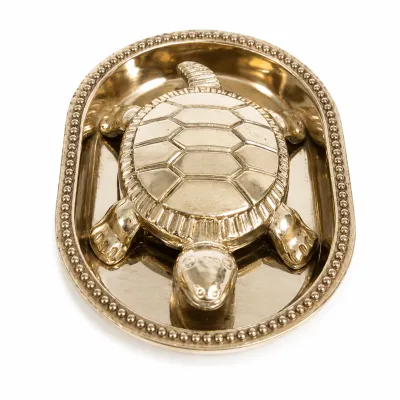
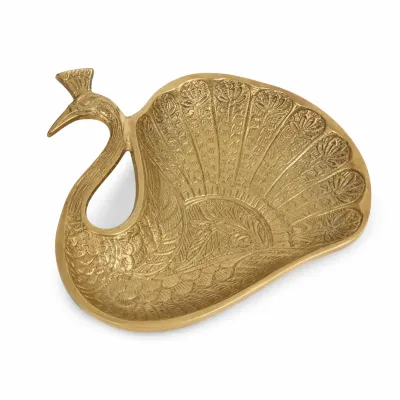
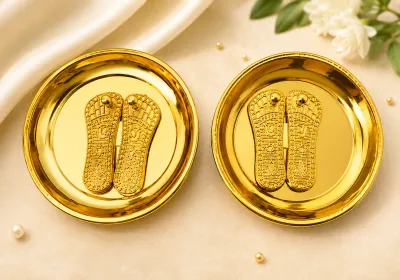
Prices are valid at publication and may change. Please refer to the product page for the latest price.
A simple tactile and visual inspection can help you identify genuine solid brass. When you hold a solid brass item, it should feel heavy and dense in your hand, with a consistent warmth to the touch. If you tap the item gently with a wooden utensil, solid brass produces a clear, ringing, bell-like sound, whereas resin-core or thin-plated items tend to produce a dull, flat thud. Additionally, carrying a small pocket magnet is a highly effective verification method; pure brass is non-magnetic, so if a magnet clings tightly to the surface, the item is made of a ferrous metal core with a superficial brass coating.
Interpreting manufacturer labels and product descriptions requires careful reading of terminology. Look for explicit terms such as “solid brass,” “pure brass,” or “high-grade brass casting.” Be cautious of ambiguous phrasing like “brass finish,” “gold-toned alloy,” “brass-look,” or “metallic pooja set,” which almost always indicate alternative materials. If you are shopping in physical stores, do not hesitate to ask the retailer to clarify the exact metal composition and whether the item is solid throughout.
The surface finish of your brassware also dictates its long-term maintenance and suitability for specific rituals. Polished brass features a bright, reflective golden shine that requires regular polishing with traditional acidic agents or commercial metal polishes to prevent natural oxidation. Lacquered brass has been sprayed with a protective clear coat to seal the metal and prevent tarnishing entirely, making it highly convenient for decorative pieces. However, lacquered items are not suitable for direct contact with open flames, such as diyas or camphor burners, because the intense heat will scorch, discolor, and peel the lacquer coating, leaving unsightly patches that are difficult to repair. Antique brass finishes are chemically darkened to provide a muted, vintage appearance that hides fingerprints and tarnish well, offering a low-maintenance option for busy households.
Key Quality Indicators for Pooja Accessories
Evaluating the structural integrity of brass pooja accessories is essential for both durability and household safety. Weight and density serve as primary indicators of casting quality. A well-made brass diya, bell, or incense holder should feel balanced and substantial, preventing it from tipping over easily when filled with oil or hot wax. Thin-cast or hollow items are highly susceptible to denting, warping under heat, or cracking if accidentally dropped during cleaning.

Carefully examine the seams, joints, and base of each item before making a purchase. High-quality brassware is ideally cast as a single, solid piece, which eliminates weak points entirely. For items that require assembly or have attached handles, inspect the joints to ensure the welding or threading is clean, tight, and free of gaps. The base of any standing item, such as a samayi lamp or a deity statue, must be completely flat and level. A wobbly base is a significant safety hazard, particularly for oil lamps and incense burners that can spill hot liquids or embers onto your altar.
Surface finishing is another critical quality marker that affects daily handling. Run your fingers gently along the rims, handles, and decorative edges of the brassware to check for uniform thickness and smoothness. Poorly finished brass often retains sharp flashing, which is excess metal left behind from the casting mold seams. These sharp edges can easily cut your fingers during daily washing, polishing, or ritual handling. High-quality pieces undergo thorough grinding and polishing stages to ensure every edge is smooth and safe to touch.
Sizing and Proportions for Your Prayer Altar
Selecting the right size for your brass pooja items is crucial for maintaining an organized, safe, and visually balanced prayer space. In Singapore, residential layouts often dictate the size of home altars, with many families utilizing compact wall-mounted shelves, dedicated cabinets, or small alcoves. Before purchasing heavy solid brass items, measure your altar’s shelf depth, height clearance, and weight capacity accurately. Solid brass statues and large multi-tiered lamps can weigh several kilograms, requiring sturdy, reinforced shelving to prevent structural sagging or collapse.
Proportion plays a vital role in creating a harmonious altar setup. As a general guideline, the main deity statues or pictures should remain the visual focal point of the altar, with auxiliary accessories scaled down accordingly. For instance, if your central deity statue is six inches tall, your accompanying diyas, bell, and water vessel should ideally range between two and three inches. Introducing oversized accessories can visually overwhelm the space, making the altar look cluttered and chaotic rather than serene.
Spatial clearance is also a critical safety consideration that influences your size choices. Ensure there is ample physical space between active heat sources, such as oil lamps or incense holders, and the surrounding walls, ceiling, or wooden panels of the altar. A minimum clearance of several centimeters prevents soot buildup, discoloration, and heat damage to your home’s cabinetry. Adequate spacing also allows you to move your hands safely during arati or when offering flowers, minimizing the risk of accidentally knocking over hot items.
Evaluating Craftsmanship and Design Details
The aesthetic value and traditional significance of brass pooja items depend heavily on the precision of their craftsmanship. When selecting deity figures or ritual symbols, pay close attention to the clarity of the cast details and engravings. High-quality casting captures the intricate features of the face, hands, and ornaments with remarkable sharpness. The facial expressions of deity statues should appear serene, highly symmetrical, and well-defined; blurred features, asymmetrical eyes, or distorted limbs often indicate worn-out casting molds or low-quality mass production.
Traditional motifs should align with your specific cultural and ritual requirements. Whether you are looking for classic representations of deities, sacred geometric patterns, or traditional floral engravings, authentic brassware respects these iconographic details. Take the time to inspect the symmetry of hand-carved engravings and the alignment of decorative borders, as these subtle details reflect the skill and dedication of the artisan.
While highly ornate and intricate designs are visually captivating, it is important to balance artistic detail with practical maintenance. Intricate carvings, deep crevices, and filigree work tend to trap oil, soot, kumkum, turmeric, and polishing paste over time. Cleaning these tight spaces requires meticulous effort and specialized brushes. For items used in daily rituals, such as panchapatra cups, small diyas, and offering plates, simpler designs with smooth, easily accessible surfaces are far more practical. You can reserve highly detailed, ornate brassware for larger decorative pieces, backdrops, or items used exclusively during major festivals.
Where to Buy and How to Verify Sellers
Finding authentic brass pooja items in Singapore involves choosing the right purchasing channels and knowing how to verify the credibility of sellers. Specialized religious goods stores, particularly those located in historic cultural precincts like Little India, offer a distinct advantage. Shopping in person allows you to physically handle the items, assess their weight, inspect the casting quality under good lighting, and verify the levelness of the bases before committing to a purchase. Furthermore, established physical retailers often possess deep knowledge of the items’ origins and material compositions.
While online marketplaces and ecommerce platforms offer unparalleled convenience and a wider variety of designs, they require a higher level of caution. When shopping online, you cannot physically inspect the metal quality or weight, making it easier to accidentally purchase low-quality plated or alloy items. To mitigate this risk, prioritize sellers who specialize exclusively in religious or cultural decor rather than general merchandise vendors. Read customer reviews carefully, looking specifically for feedback regarding the weight, material authenticity, and packaging safety of the items.
When interacting with sellers, whether online or in-store, do not hesitate to ask specific, clarifying questions to verify the authenticity of their products. Inquire about the exact weight of the item in grams or kilograms, as genuine solid brass items will have a clearly definable weight that justifies their price. Ask about the country of origin and the specific manufacturing process, such as hand-casting or machine-pressing. Additionally, clarify the seller’s return and exchange policies, ensuring you can return the item if it arrives damaged, unbalanced, or fails a basic magnet test.
Be alert to common red flags in product listings and store displays. Vague material descriptions, such as “golden metal,” “brass-colored alloy,” or “temple-style material,” are strong indicators that the item is not solid brass. Price is another reliable indicator of quality; genuine solid brass requires significant raw material and skilled labor to produce. If a large, highly detailed deity statue or a pair of tall hanging lamps is listed at an unrealistically low price, such as under S$15, it is highly likely to be a lightweight plated alternative or a resin-core imitation. Investing in authentic brassware from reputable sellers ensures that your pooja items remain safe, durable, and beautiful additions to your home for generations.
Frequently Asked Questions (FAQ)
How do I clean and maintain brass pooja items daily?
To maintain the natural shine of your brass pooja items without damaging the metal, establish a gentle, non-abrasive cleaning routine. For daily maintenance, wash the items with warm water and a mild, phosphate-free dish soap to remove oil, ghee, and soot residue. Traditional natural cleaning agents, such as a paste made from tamarind pulp or lemon juice mixed with a small amount of salt, are highly effective at removing tarnish safely. Apply these mixtures gently using a soft microfiber cloth or a non-abrasive sponge; never use steel wool, harsh scrubbing pads, or highly abrasive chemical cleaners, as these will scratch the soft brass surface and dull its finish over time.
After washing, it is critical to dry each item immediately and thoroughly with a clean, dry towel. Allowing water to air-dry on brass leads to unsightly water spots, accelerated tarnishing, and potential moisture damage in hard-to-reach crevices. If you own antique brass items, pieces with delicate hand-painted details, or heavily lacquered items that show signs of deep corrosion or peeling, avoid DIY cleaning methods. In these cases, seek professional restoration services to preserve the structural integrity and historical value of the metal.
Can I use the same brass items for daily prayers and special festivals?
Yes, high-quality solid brass pooja items are exceptionally durable and designed to withstand the rigors of both daily prayers and major festival celebrations. Solid brass easily tolerates frequent handling, regular washing, and direct exposure to heat from camphor, incense, and oil lamps. However, using the same items daily means they will accumulate oil, soot, and floral residue more rapidly, requiring a consistent cleaning schedule to prevent stubborn buildup.
During major festivals, when rituals may involve larger quantities of oil, ghee, flowers, and liquid offerings like milk or honey, you may need to adjust your cleaning routine. Ensure that acidic offerings or damp floral residues are not left on the brass surfaces for extended periods, as they can cause rapid localized tarnishing or green oxidation (verdigris). Many families choose to use simpler, highly practical brass items for their daily prayers and supplement their altar with larger, more ornate brass pieces—such as multi-tiered samayi lamps, large urlis, or decorative brass plates—specifically for festive occasions to simplify daily upkeep.

Community discussion
Share your experience or ask a question. Comments are reviewed before publication.