
Placing a lotus lamp in your home can transform your living space, but its effectiveness depends heavily on choosing the right room and alignment. In Feng Shui, the lotus lamp is more than a decorative light source; it is a symbolic tool used to activate positive energy, balance elemental forces, and clear stagnant areas. By understanding how the lamp’s placement interacts with your home’s layout, you can create a more harmonious environment that supports your personal well-being.
To achieve the best results, you must balance traditional cultural practices with the physical realities of your home. This guide covers the symbolic foundations of the lotus lamp, the most beneficial room-by-room placements, directional alignments using the Bagua map, common mistakes to avoid, and essential electrical safety checks to keep your home safe and harmonious.
Understanding Lotus Lamp Symbolism in Feng Shui
The lotus flower holds deep spiritual and cultural significance across many Asian traditions, representing purity, resilience, and spiritual awakening. Because the lotus rises from muddy waters to bloom unsullied on the surface, it symbolizes the ability to overcome obstacles and remain pure in heart and mind. Introducing a lotus-shaped decor item into your home serves as a daily visual reminder of peace, growth, and inner harmony.
Products mentioned in this guide
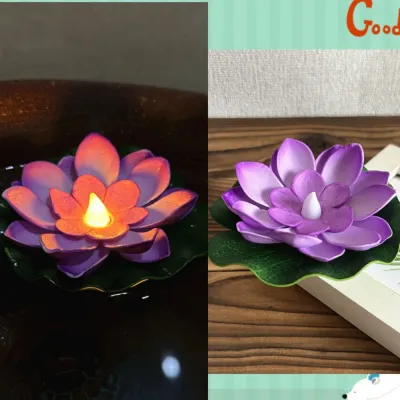
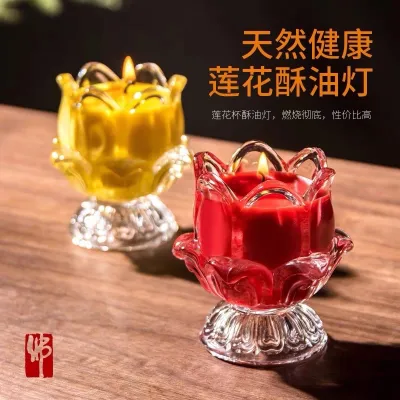
![[SG FREE ]1pcs Buddhistic Lotus Lamp Lotus Lamp Desktop Decoration Light Worship Buddhism](https://img.lazcdn.com/g/p/fbd7921cd7bc0e55914c80c5601e4c70.jpg_400x400q80.jpg_.webp)
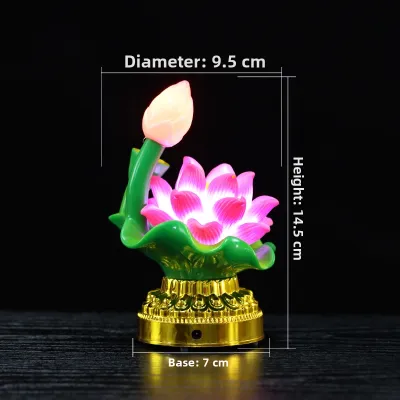
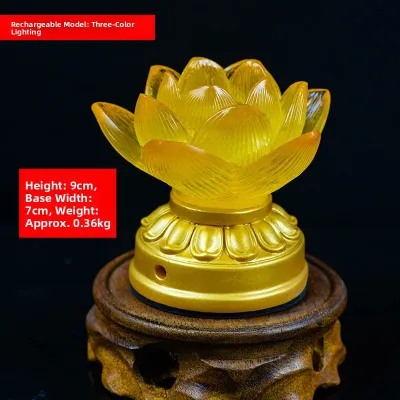
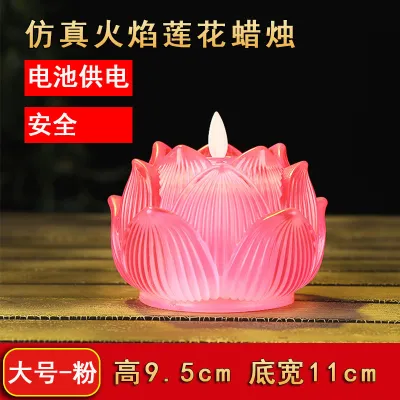
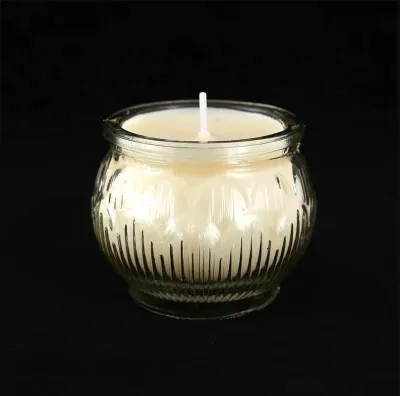
![[SG Ready Stock] 24H Smokeless Lotus Butter Lamp Candle Eco-Friendly Ghee Candle for Buddhist Worship Temple Home Altar Offering](https://img.lazcdn.com/g/p/4ccb9acf09416af8657646279f4f8179.png_400x400q80.png_.webp)
Prices are valid at publication and may change. Please refer to the product page for the latest price.
In Feng Shui, a lamp introduces the fire element, which represents warmth, visibility, inspiration, and active energy (Yang). When combined with the lotus shape, the light acts as an activator, illuminating the symbolic qualities of the flower and projecting them into the surrounding space. This combination is particularly useful for uplifting low or stagnant energy (Chi) in dark, quiet, or underutilized corners of a house.
Aligning the symbolic meaning of the lotus lamp with your personal household goals can help you decide where to focus its energy. For instance, if your goal is to foster deeper family relationships, you might focus on spaces where household members gather. If you seek personal tranquility or spiritual growth, your placement strategy will shift toward quiet, private areas of the home.
Best Room Placements for Your Lotus Lamp
The living room is one of the most effective areas for a lotus lamp because it serves as the energetic hub of the household. Placing the lamp on a side table, console, or shelf in this room helps promote family harmony and creates a welcoming atmosphere for guests. To maintain comfort, position the lamp in a visible spot where the bulb does not shine directly into the eyes of anyone sitting on the sofa.

In the bedroom, a lotus lamp can help cultivate a peaceful, restful atmosphere conducive to sleep and romance. Ideal spots include nightstands or a dressing vanity, where the lamp can provide soft, ambient lighting. Because the bedroom is primarily a quiet (Yin) space, choose a low-wattage bulb or a dimmable fixture to prevent the light from becoming too stimulating or causing glare at eye level when you are lying down.
For homes with dedicated meditation spaces, prayer rooms, or altars, a lotus lamp serves as an excellent spiritual focal point. Placing the lamp on or near an altar helps illuminate sacred objects and signifies the presence of wisdom and clarity. In these quiet corners, the gentle glow of the lamp supports introspection, mindfulness, and daily spiritual practices.
Positioning a lotus lamp in the entryway or foyer is an excellent way to guide positive energy into your home. As the primary mouth of Chi, the entryway sets the tone for the rest of the living space. A small lotus lamp on an entryway console table provides a warm, inviting glow, though you must ensure the lamp and its power cord do not physically obstruct the pathway or create a tripping hazard.
Using the Bagua Map for Directional Placement
The Bagua map is a traditional Feng Shui tool that divides a space into nine energetic zones, each corresponding to a different aspect of life. By overlaying this map onto your home’s floor plan, you can identify specific areas where a lotus lamp can be used to activate targeted intentions. This method allows you to fine-tune the lamp’s location based on your personal priorities.
Traditional directional practices associate the South sector of the home with the fire element, fame, and reputation. Because a lamp inherently represents fire, placing your lotus lamp in the South can help enhance your personal visibility, recognition, and inspiration. This placement is highly compatible with the lamp’s natural energetic properties.
The Southwest sector, which represents love, marriage, and relationships, is ruled by the earth element. In traditional five-element theory, fire feeds and strengthens earth, making a warm lotus lamp a supportive addition to this corner of your home. Placing a pair of identical lotus lamps in the Southwest can symbolically represent partnership and mutual support.
While directional guidelines offer valuable insights, you should always prioritize actual spatial layout, furniture arrangement, and resident comfort over rigid compass directions. Forcing a lamp into an awkward, tight corner simply because it aligns with a specific compass direction can create physical clutter and frustration. True Feng Shui prioritizes practical usability and spatial harmony, meaning a well-placed lamp in a highly functional spot is always better than a poorly placed one in a theoretically perfect direction.
Placement Mistakes and Areas to Avoid
One of the most common placement mistakes is positioning a decorative lamp in cluttered, damp, or water-adjacent areas. Clutter blocks the natural flow of energy, and placing a lamp in a messy corner will only draw visual attention to the disorganization. Furthermore, placing an electrical fixture near water sources, such as sinks or indoor water features, creates a direct conflict between the water and fire elements, alongside serious electrical safety hazards.
Traditional Feng Shui perspectives advise against placing a lamp in direct, unbroken alignment with the main door or large windows. When a light source is positioned directly opposite an opening, the energy it generates can dissipate quickly out of the home rather than circulating through the living spaces. To prevent this, position the lamp slightly to the side of doors and windows to help retain and distribute the light’s warmth.
Avoid placing your lotus lamp directly under heavy overhead structural beams or facing sharp architectural corners, often referred to as poison arrows. Heavy beams can project an oppressive, downward pressure on the space below, while sharp corners can direct harsh, cutting energy toward the lamp. If your room has these architectural features, position the lamp in a more neutral, open area to maintain a balanced atmosphere.
Electrical Safety and Practical Lighting Checks
No Feng Shui arrangement is complete without ensuring the physical safety of your home. Managing power cord routing is essential; cords should never run across high-traffic walkways where they present a tripping hazard or behind heavy furniture where they can be pinched and damaged. Keep cords neatly organized using cable management clips or trunking to maintain a clean, clutter-free appearance.
Before plugging in your lotus lamp, verify its electrical specifications to ensure compatibility with your home’s electrical system. In Singapore, the standard domestic voltage is 230V, and electrical appliances should carry the appropriate safety certification, such as the SAFETY Mark, to ensure they have been tested for safety. Always check the manufacturer’s label on the lamp to confirm the maximum wattage limit for the bulb socket, and never exceed this limit to prevent overheating.
If your placement plan involves fixed wiring, wall-mounted sconces, high installations near the ceiling, or structural modifications, do not attempt a DIY installation. Working with fixed electrical wiring or mounting fixtures at height carries significant safety risks. Always consult a licensed electrical worker or a qualified professional to handle the installation safely and in compliance with local building codes.
Selecting the right color temperature for your bulb is crucial for balancing the room’s functional lighting needs with your desired mood. Warm white bulbs (typically 2700K to 3000K) emit a soft, golden glow that enhances relaxation, making them ideal for bedrooms, living rooms, and meditation areas. Cool white bulbs (4000K and above) provide a brighter, more alert light, which is better suited for task-oriented spaces but may feel too harsh for a decorative lotus lamp.
Frequently Asked Questions (FAQ)
Can I place a lotus lamp in the bathroom or kitchen?
It is generally best to avoid placing decorative lamps in the bathroom or kitchen due to both traditional elemental principles and practical safety concerns. In Feng Shui, these rooms are heavily dominated by water (in the bathroom) and intense heat or fire (in the kitchen), and adding a decorative lamp can disrupt the elemental balance. Practically, the high humidity and steam in bathrooms can damage electrical components, while grease, moisture, and heat in kitchens pose a risk of short circuits and rapid wear on the fixture. Keep your decorative lighting in dry, well-ventilated living areas instead.
Does the color of the lotus lamp affect its Feng Shui benefits?
Yes, the physical color of the lamp and the light it emits can influence the spatial atmosphere and support different intentions. Warm light temperatures promote a cozy, relaxing environment that supports Yin (restful) energy, while cooler light temperatures stimulate Yang (active) energy. Traditionally, white lotus lamps represent purity, peace, and mental clarity, pink or red lamps are associated with love and relationship harmony, and gold or yellow lamps symbolize wealth and abundance. Choose a color that aligns with your personal aesthetic and complements your existing room decor to maintain visual harmony.
How long should I leave the lotus lamp turned on?
There is no strict rule requiring a lotus lamp to be left on continuously, and your daily usage should balance symbolic intentions with practical safety. Many people choose to illuminate their lamps during specific times, such as evening hours, meditation sessions, or cultural festivals, to mark a transition into a peaceful state of mind. From a safety perspective, never leave a decorative lamp running unattended for extended periods or overnight, as continuous operation can cause heat buildup and reduce the lifespan of the bulb. Utilizing a simple plug-in timer or a smart plug can help you automate the lighting schedule safely and efficiently.

Community discussion
Share your experience or ask a question. Comments are reviewed before publication.