
Acrylic—often referred to by the high-end trade name Lucite—has quickly become a darling of modern interior design. It beautifully bridges the gap between the delicate, light-refracting clarity of traditional glass and the durable, shatterproof resilience required for active, modern households. Choosing the right acrylic vase can completely transform how light, color, and botanical elements interact within your living space. The ultimate decision hinges on a simple design strategy: do you want your vase to blend seamlessly into the background, allowing your floral arrangements to float weightlessly, or do you want it to command attention as a bold, structural centerpiece?
To help you find the perfect match for your home, this quick-reference guide maps the most popular acrylic vessel styles directly to contemporary interior design movements:
- Minimalist & Cylindrical: Best suited for Scandinavian, Japandi, and ultra-minimalist spaces where clean lines and zero visual clutter are paramount.
- Geometric & Faceted: Ideal for Mid-Century Modern, industrial, or transitional rooms that benefit from structured, architectural angles and light play.
- Tinted & Coloured: Perfect for Eclectic, Bohemian, or Maximalist homes that embrace rich, translucent color palettes and moody atmospheres.
- Sculptural & Organic: Designed for Contemporary, avant-garde, or high-fashion interiors where the vessel itself serves as a standalone work of art.
Popular Acrylic Vase Styles and Their Aesthetic Fit
Minimalist and Cylindrical Designs
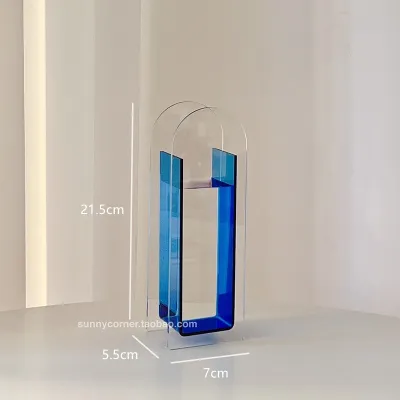
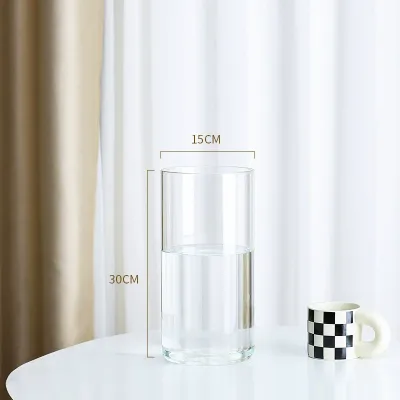
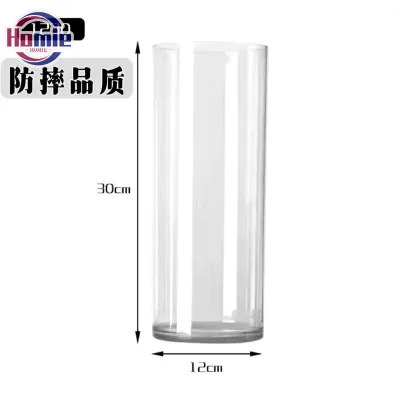
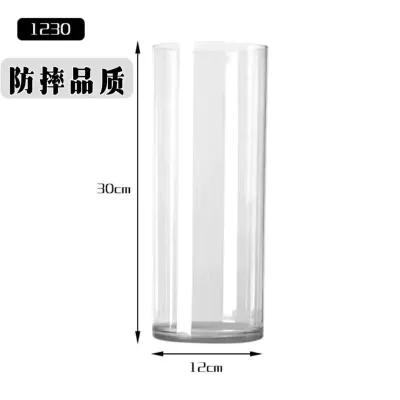
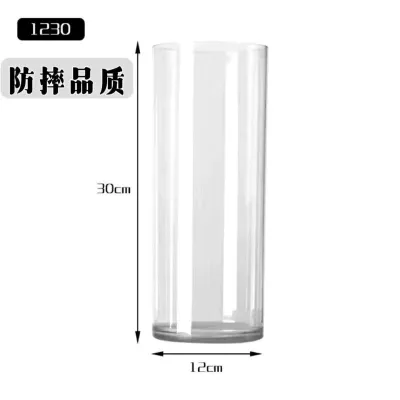
Clean, unadorned cylinders and simple rectangular columns are the quiet workhorses of modern decor. These shapes are highly recommended for Japandi, Scandinavian, and minimalist interiors that prioritize the philosophy of “less is more.” Because high-clarity acrylic has an optical refractive index incredibly close to that of water, a clear minimalist vase virtually disappears when filled. This optical illusion makes your floral stems, branches, or delicate blossoms appear to float in mid-air.
Products mentioned in this guide
![[SG]Acrylic Vase Grey/Transparent Wooden base decorative ornaments Flower Arrangement Antifragile Impact Plastic vase](https://img.lazcdn.com/g/p/02b6defd060f8f65cda675d1c61ca8ef.jpg_400x400q80.jpg_.webp)
Prices are valid at publication and may change. Please refer to the product page for the latest price.
These understated designs are incredibly valuable in compact urban apartments, such as typical Singaporean HDB flats or cozy condominiums, where maintaining an open, airy feel is essential. By minimizing visual clutter on sideboards, shelves, or console tables, clear cylindrical vessels allow the natural beauty of a single monstera leaf or a delicate spray of local orchids to remain the undisputed focal point of the room.
Geometric and Faceted Shapes
Faceted, hexagonal, and sharply angled acrylic vases introduce a sense of structured sophistication to Mid-Century Modern, industrial, and transitional spaces. These designs play with flat planes and sharp edges to catch both natural daylight and artificial ambient light. They create dynamic, subtle reflections across your walls and tabletops without the heavy, imposing presence of solid ceramic, stone, or metallic objects.
To maximize their architectural qualities, place geometric vases on entryway consoles, floating shelves, or side tables where directional light—such as afternoon sun pouring through a window or a targeted ceiling spotlight—can strike the facets. The resulting light patterns add a layer of quiet energy to the room, making these vases excellent choices for design enthusiasts who appreciate clean, mathematical beauty.
Tinted, Ombre, and Coloured Acrylic
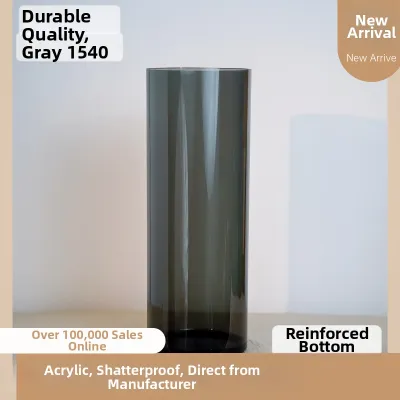
If your home leans toward an eclectic, bohemian, or contemporary aesthetic, tinted and coloured acrylic vases offer an exciting way to introduce a controlled pop of color. Translucent hues like warm amber, smoky grey, deep forest green, or soft pastel ombre gradients filter passing light much like stained glass. This allows you to tie a room’s color palette together by echoing the tones found in your cushions, rugs, or wall art.
Beyond their undeniable visual charm, coloured and tinted acrylic vases offer a highly practical benefit: they are incredibly forgiving. While crystal-clear vases immediately expose cloudy water, decaying stems, and minor hard water stains, tinted acrylic beautifully conceals these imperfections. This makes them an excellent option for busy homeowners who want the beauty of fresh flowers without the pressure of maintaining pristine, clinical water clarity every single day.
Sculptural and Organic Forms
For homes that embrace avant-garde, modern luxury, or maximalist design, sculptural acrylic vases act as bold statement pieces. Featuring asymmetrical curves, wave-like ripples, or abstract negative spaces, these vessels challenge the traditional boundaries of home decor. They are designed to turn heads and spark conversation, serving as functional art pieces that look entirely intentional and striking even when completely empty.
When styling sculptural forms, the vessel itself is the main event. It is best to pair them with minimal, dramatic botanical elements—such as a single dried palm spear, a structural branch of eucalyptus, or a bold, exotic ginger flower. Alternatively, you can leave them entirely bare on a prominent pedestal or shelf, allowing the organic silhouette and the material’s light-catching properties to take center stage.
What to Check Before Buying an Acrylic Vase
Thickness and Weight
The wall thickness of an acrylic vase is the single greatest indicator of its overall quality and longevity. Cheaply manufactured alternatives often use thin sheets measuring just 1mm to 2mm, which feel flimsy, look cheap, and are highly prone to tipping over when holding top-heavy floral arrangements. Premium acrylic vessels feature wall thicknesses ranging from 4mm to 8mm or more. This extra material provides a satisfying, substantial weight that closely mimics lead crystal, while ensuring the vase remains stable and secure when filled with water and heavy stems.

Edge Finishing
The quality of the seams and edges separates premium home decor from industrial plastic. When evaluating a vase, examine the edges closely. High-quality pieces undergo professional flame-polishing or precision diamond-buffing to ensure every edge is perfectly smooth, rounded, and crystal-clear. Poorly finished edges will appear cloudy, feel sharp or rough to the touch, and easily trap dust and grime over time, which quickly ruins the high-end, glass-like illusion.
UV Resistance and Yellowing
Acrylic is naturally sensitive to ultraviolet (UV) radiation. Over time, prolonged exposure to harsh sunlight can break down the polymer chains, causing clear acrylic to develop an unsightly, dull yellow tint. In tropical environments like Singapore, where homes are often flooded with intense, direct sunlight through large windows, this is a critical factor to consider before purchasing. Always check the manufacturer’s product descriptions for mentions of UV-stabilized or UV-resistant acrylic. If you are unsure whether a vase has been treated, it is safest to style it away from direct, sun-drenched window ledges to preserve its pristine clarity.
Base Stability
Because acrylic is naturally lighter than traditional glass, a well-engineered base is essential for safety. Look for vases that feature a reinforced, extra-thick base or a wider bottom footprint. If you love displaying tall, heavy floral arrangements like lilies or cherry blossoms, a top-heavy vase with a narrow base is a significant tipping hazard. For added peace of mind, especially in households with active pets or young children, consider choosing designs that include subtle, non-slip silicone pads on the bottom to prevent sliding on polished stone, glass, or varnished wood surfaces.
How to Style Acrylic Vases in Different Rooms
Living Room and Entryway
Your entryway and living room are the perfect stages for high-impact styling. A large, sculptural or geometric acrylic vase placed on an entryway console table creates an immediate, sophisticated first impression. In the living room, a medium-sized clear or tinted vase on the coffee table catches the ambient light from nearby lamps. Because of the material’s natural transparency, the vase won’t block the view of other decorative elements or the television, keeping your communal spaces feeling open and visually connected.
Dining Table
Creating a centerpiece for a dining table requires a careful balance between beauty and functionality. Tall, opaque ceramic or metal vases often block sightlines, forcing guests to awkwardly peer around them to have a conversation. Low-profile, rectangular, or clear cylindrical acrylic vases solve this problem entirely. They allow you to showcase lush, beautiful floral arrangements while maintaining completely open sightlines across the table, ensuring a comfortable, social dining experience.
Floral Pairing
To create a cohesive look, match the style of your vase to the structure of your flora. Clear, minimalist vessels pair beautifully with clean, architectural lines—think a single monstera leaf, a structural calla lily, or a few clean stems of bamboo. Conversely, tinted, ombre, or deeply coloured vases look spectacular when paired with lush, dense, and colorful blooms like hydrangeas, roses, or local tropical orchids. The rich colors of the petals will interact beautifully with the translucent hues of the vase, creating a layered, painterly effect.
Lighting Considerations
To truly unlock the magic of acrylic, you must consider your room’s lighting. Avoid placing these vases in dark, neglected corners where the material can end up looking like dull, flat plastic. Instead, position them where they can interact with light. Placing a vase on a sunlit console table, under a directional ceiling spotlight, or next to a stylish table lamp allows the light to pass through the material. This highlights the clean edges, vibrant tints, or sculptural curves, making the entire arrangement glow from within.
Keeping Your Acrylic Vase Clear and Scratch-Free
Cleaning Routine
While acrylic is incredibly durable and shatter-resistant, it is softer than glass and highly susceptible to surface scratches. Always consult the manufacturer’s care instructions before cleaning your vase. To maintain its pristine, glass-like finish, use only a clean, ultra-soft microfibre cloth. Dampen the cloth with lukewarm water and a few drops of mild, pH-neutral dishwashing liquid, then gently wipe the surface. Strictly avoid using ammonia-based glass cleaners, multi-purpose chemical sprays, paper towels, or abrasive scrubbing sponges. These harsh materials will create microscopic scratches that gradually turn the clear surface cloudy and dull.
Water Management
Hard water contains dissolved minerals like calcium and magnesium, which can leave stubborn white spots and rings as water evaporates. To prevent these unsightly mineral deposits from forming inside your vase, empty, rinse, and thoroughly dry the interior with a soft microfibre cloth every few days when changing the flowers. If you do notice minor hard water buildup, do not attempt to scrape it off. Instead, fill the vase with a highly diluted mixture of white vinegar and warm water, let it sit for a few minutes to dissolve the minerals, rinse thoroughly with clean water, and dry immediately.
Handling and Dusting
When performing your weekly dusting routine, treat your acrylic vessels with care. Dry dusting with a standard feather duster or a dry cloth can drag microscopic dust particles across the surface, causing fine hairline scratches over time. Instead, use a slightly damp microfibre cloth or a dedicated anti-static plastic cleaner designed to repel dust. When moving or adjusting the vase, always lift it securely from the base rather than pulling or carrying it by the delicate top rim to avoid putting unnecessary stress on the seams.
Frequently Asked Questions (FAQ)
Is acrylic safer than glass for homes with children and pets?
Yes, acrylic is significantly safer than glass because it is highly shatter-resistant. If a curious pet or a child accidentally knocks the vase off a table, it will not shatter into dangerous, sharp shards. However, because acrylic is lighter than glass, it can be easier to tip over. To minimize this risk, always choose a vase with a thick, weighted base and avoid top-heavy floral arrangements.
Can I use acrylic vases for real water and fresh flowers?
Absolutely. High-quality acrylic vases are fully waterproof and designed to hold fresh flowers and water safely. However, you should avoid leaving the vase in hot, direct tropical sunlight for extended periods while filled with water. The combination of standing water, heat, and intense sunlight can accelerate algae growth and cause heat degradation, which may compromise the optical clarity of the material over time.
How do I remove minor scratches from an acrylic vase?
If your vase develops very light surface scuffs, you can often minimize or remove them using a specialized, non-abrasive plastic polish and a clean, soft microfibre cloth. Apply a small amount of the polish and buff gently in a circular motion, then wipe clean with a fresh cloth. Please note that deep scratches or gouges that penetrate the surface cannot be polished out, making preventative care and proper cleaning tools your best defense.

Community discussion
Share your experience or ask a question. Comments are reviewed before publication.