
Selecting the perfect blue porcelain vase involves aligning the vessel’s glaze, pattern complexity, and silhouette with the prevailing design language of your room. Whether your home features the clean lines of modern minimalism, the rich layers of traditional design, or the curated mix of an eclectic space, a blue porcelain vase can serve as a striking focal point or a harmonious accent. By understanding how the porcelain’s finish and form interact with light and surrounding furniture, you can make an intentional design choice that elevates your entire interior.
Assess Your Current Interior Design Baseline
Before purchasing a blue porcelain vase, take a close look at the architectural bones and dominant furniture styles in your room. Singaporean homes, ranging from contemporary high-rise condominiums to spacious landed properties, often present distinct design baselines. A room dominated by mid-century modern teak sideboards, clean Scandinavian lines, or industrial concrete screed demands a very different decorative approach than a space filled with ornate classic carvings, dark rosewood, or plush, formal upholstery.
Next, perform a quick color audit of the target space. Observe whether your room relies on warm neutrals like cream, beige, and light oak, or cool tones like slate gray, charcoal, and crisp white. A deep cobalt blue porcelain vase can introduce a high-contrast pop of color that instantly draws the eye in a monochromatic or neutral setting. Alternatively, if your room already incorporates analogous shades like soft greens, teals, or dusty blues, a pale sky-blue or celadon-toned vase will blend seamlessly into the environment, creating a tranquil and cohesive atmosphere.
Products mentioned in this guide
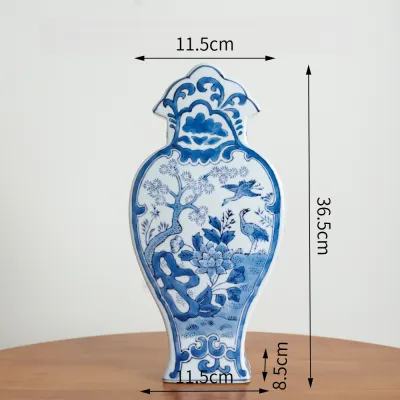
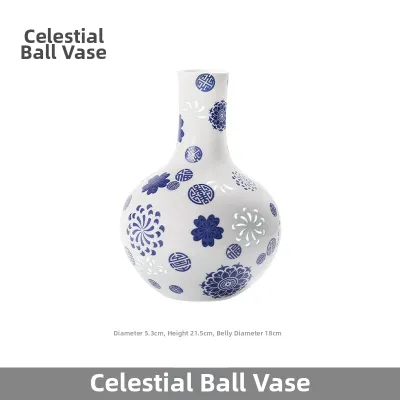
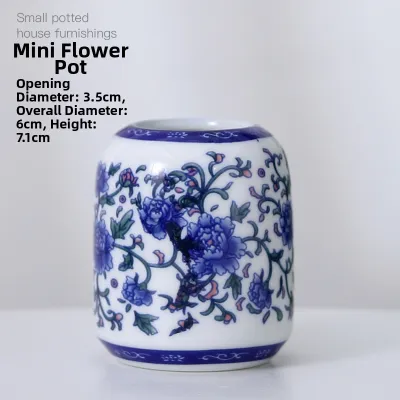
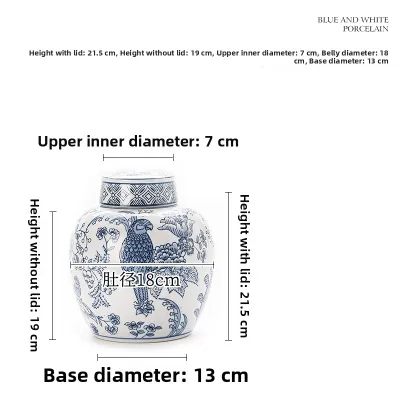
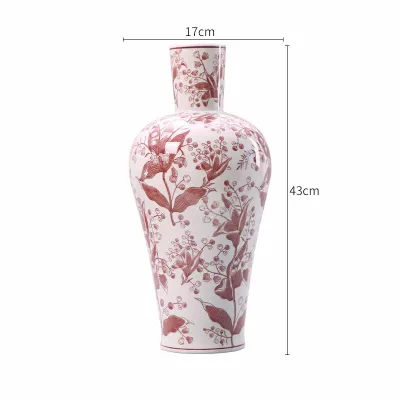
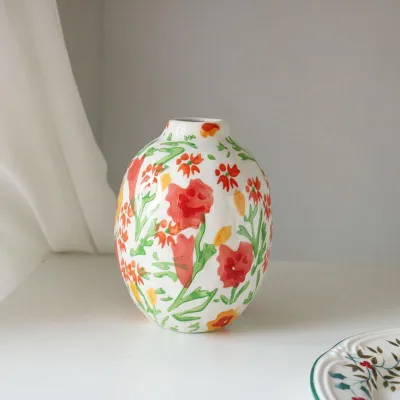
Prices are valid at publication and may change. Please refer to the product page for the latest price.
Finally, evaluate the visual weight and textures of your existing decor. Heavy, dark wood furniture and thick, textured fabrics possess high visual weight, which can easily overwhelm delicate, thin-walled porcelain. Conversely, a large, glossy, solid-colored porcelain vase might feel overly dominant on a slim, glass-topped console table or a delicate metal shelf unit. Balancing the opacity, glaze finish, and physical presence of the porcelain with your current furniture ensures that the new addition feels integrated rather than misplaced.
Match Blue Porcelain Vase Styles to Your Space
Finding the right blue porcelain vase requires matching the historical character, surface texture, and silhouette of the ceramic to your specific interior style. The following design pathways offer practical frameworks to help you pair different porcelain styles with your home’s aesthetic.

Traditional and Classic Interiors
Traditional spaces thrive on symmetry, historical reference, and refined craftsmanship. For these environments, classic Chinese blue-and-white porcelain, historically known as Qinghua, is an exceptional choice. These pieces feature intricate, hand-painted motifs of scrolling vines, lotus flowers, landscapes, or historical scenes. Similarly, vintage European-style porcelain, which often showcases delicate floral patterns, romanticized pastoral scenes, or gilded borders, fits beautifully into classic settings.
To display these detailed pieces effectively, pair them with rich fabrics like velvet or silk, dark wood furniture, and symmetrical room layouts. Placing a matching pair of traditional ginger jars on a formal dining sideboard or flanking a fireplace mantel creates an immediate sense of balance and timeless elegance. The highly detailed patterns on the porcelain draw the eye, making them excellent conversation starters in formal gathering areas.
Furthermore, the high-gloss glaze characteristic of classic porcelain is highly reflective. In formal living rooms or dining areas, this glossy surface catches and bounces ambient light from chandeliers, wall sconces, or table lamps. This reflective quality adds a layer of sophisticated polish, brightening darker corners and enhancing the overall sense of luxury in the room.
Modern and Minimalist Spaces
Modern minimalism prioritizes form, negative space, and clean lines over intricate surface ornamentation. If your home embraces this philosophy, avoid busy, hand-painted patterns that can make a minimalist room feel cluttered. Instead, focus on solid glazes in shades of deep navy, striking cobalt, or pale powder blue, which emphasize the physical shape of the vessel.
Texture becomes a vital design tool when color and pattern are simplified. Consider selecting blue porcelain vases with matte or unglazed “biscuit” finishes, which absorb light rather than reflecting it, creating a soft, tactile, and organic appearance. Look for sleek geometric silhouettes, asymmetrical organic curves, or subtle ribbed textures that provide visual interest through form alone.
In minimalist design, the space surrounding an object is just as important as the object itself. Position a single, sculptural blue porcelain vase on a sparse entryway console, a floating shelf, or a concrete kitchen island. Allowing the clean outline of the vase to stand alone against a plain wall highlights its sculptural quality, making a powerful design statement through simplicity.
Eclectic and Transitional Rooms
Eclectic and transitional spaces are defined by their curated, layered nature, blending elements from different eras, cultures, and design movements. In these homes, a blue porcelain vase can act as a versatile bridge between contrasting styles. Look for hand-painted pieces with unconventional shapes, heavily textured volcanic glazes, or modern, abstract interpretations of classic blue-and-white patterns.
Successful eclectic design relies on creating visual tension between different materials. You can achieve this by pairing a smooth, glossy blue porcelain vase with contrasting organic textures, such as a woven rattan tray, a brushed brass lamp, or a raw linen tablecloth. The juxtaposition of the refined, glassy ceramic against rougher, tactile materials makes the space feel dynamic, curated, and lived-in.
Additionally, a bold blue vase can serve as a visual anchor that ties a mixed-style room together. If your space features a variety of patterns, colors, and furniture styles, repeating the specific blue of your porcelain vase in other accent pieces—such as throw cushions, wall art, or a small area rug—creates a subtle, unifying color thread that brings harmony to the entire room.
Evaluate Size, Proportion, and Functional Needs
Before making a final decision, shift your focus from pure aesthetics to the physical constraints of your space and the practical function of the vase. Start by carefully measuring your intended display surface. A common mistake is placing a tiny vase on a massive sideboard, where it becomes visually lost, or squeezing a wide-bodied ginger jar onto a narrow floating shelf, which looks cramped and increases the risk of accidental breakage. Ensure the base diameter of the vase fits comfortably within the depth of the surface, leaving a safe margin of space around it.
Consider the height of the vase in relation to its surroundings. If you plan to place the vase on an entryway console table, ensure its height does not block wall-mounted artwork, mirrors, or light switches. For dining tables, choose a vase that, when filled with flowers, sits either below eye level or high enough above it so that it does not obstruct sightlines and conversation among your guests.
For spacious rooms with high ceilings or empty corners, large floor-standing blue porcelain vases offer an elegant solution. These substantial pieces require a heavy, stable base with a low center of gravity to prevent tipping, which is especially important in high-traffic areas or homes with pets and young children. If the vase feels slightly top-heavy, you can add weight to the interior base using clean, dry decorative stones or sand.
Define the primary functional role of your vase. If you intend to use it for fresh, heavy floral arrangements, verify that the porcelain is fully vitrified and watertight. Some rustic or low-fire ceramics can weep moisture, which can damage wooden furniture surfaces over time. For fresh flowers, a wide, stable base is essential to support the weight of water and stems. If you plan to use the vase purely as a standalone sculptural piece, you can prioritize delicate necks, narrow openings, and intricate shapes that may not be practical for holding flowers.
Style and Display Your Chosen Vase
Once you have selected your blue porcelain vase, thoughtful styling can maximize its visual impact and integrate it beautifully into your home. To create an engaging display, apply the classic “rule of three.” Group your blue vase with two other decorative items of varying heights, shapes, and materials. For example, pair a tall, slender blue vase with a shorter, round wooden bowl and a medium-sized brass candleholder. This asymmetrical grouping is naturally pleasing to the eye and looks much more intentional than a single, isolated object.
To add depth and dimension to your styling, vary the elevation of your decor. If your blue porcelain vase is relatively small, place it on top of a stack of beautiful, hardbound coffee table books or a low wooden pedestal. This simple trick elevates the vase, giving it the necessary visual weight to command attention and preventing it from being overshadowed by larger surrounding objects.
Selecting the right foliage is crucial for completing the look. In Singapore’s tropical climate, fresh local greenery like monstera leaves, palm fronds, or vibrant ginger flowers look stunning and last a long time indoors. For a more traditional look, elegant orchids—such as hybrid phalaenopsis—pair beautifully with classic blue-and-white porcelain. If your aesthetic is modern or minimalist, opt for dried eucalyptus or bare, architectural branches, which provide a clean, structural contrast to the smooth porcelain glaze without competing with its design.
Frequently Asked Questions (FAQ)
Can I mix different styles of blue porcelain vases together?
Yes, you can successfully mix different styles of blue porcelain vases, provided you establish a unifying element. The most effective way to group a traditional hand-painted vase with a modern matte blue vessel is to ensure they share a similar tonal blue family, such as deep cobalt, royal blue, or soft slate blue.
To make the arrangement look curated rather than cluttered, vary the heights, shapes, and textures of the vases. Placing a tall, slender modern vase next to a round, detailed traditional ginger jar creates an interesting visual dialogue between old and new, making your display look like a collection gathered over time.
How should I clean and dust a delicate porcelain vase?
To maintain the pristine finish of your porcelain vase, perform regular, low-risk dusting using a clean, dry microfiber cloth or a soft-bristled brush to gently clear away dust from intricate crevices. Avoid using harsh chemical cleaners, bleach, or abrasive scrubbing pads, as these can permanently scratch the glossy glaze or wear away delicate hand-painted overglaze details.
Before washing any vintage, antique, or delicate porcelain piece, carefully inspect the surface for hairline cracks, chips, or crazing. If cracks are present, avoid submerging the vase in water, as moisture can seep into the porous clay body underneath, causing internal damage or discoloration. For watertight pieces in good condition, hand-wash gently in lukewarm water with a mild, pH-neutral soap, and dry thoroughly with a soft towel.

Community discussion
Share your experience or ask a question. Comments are reviewed before publication.