
Choosing the right luxury scented candle involves more than simply picking an appealing name from a shelf. Because scent interacts dynamically with your home’s physical environment, finding the perfect match requires evaluating your personal olfactory preferences alongside the specific layout, ventilation, and climate of your living space. By understanding how different fragrance families behave, you can select a candle that elevates your daily routines and complements your interior decor.
Diptyque is renowned for its sophisticated, multi-layered aromas that draw inspiration from nature, travel, and art. Navigating their extensive catalog becomes much simpler when you group their offerings into core fragrance families: floral, woody, and fresh. Each family possesses distinct characteristics that influence how a scent disperses, how long it lingers, and how it transforms the mood of a room.
Identify Your Scent Preferences and Space Requirements
Before exploring specific fragrance profiles, take a moment to analyze the scents that already bring you comfort in your daily life. Consider the notes in your favorite personal perfumes, body washes, or even the laundry detergents you select for your linens. If you naturally gravitate toward clean, crisp laundry notes, you will likely prefer fresh or light botanical candles, whereas a preference for rich, warm body lotions suggests an affinity for woody or amber-based home fragrances.
Products mentioned in this guide
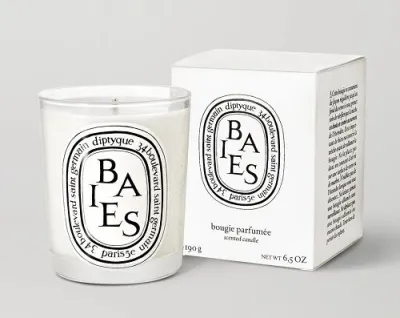


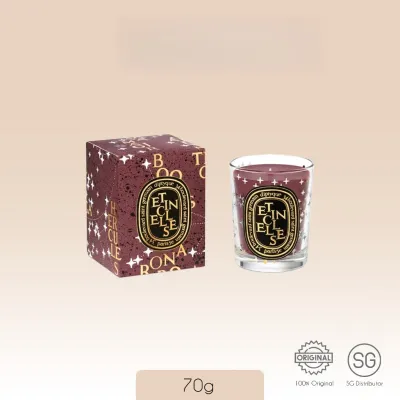

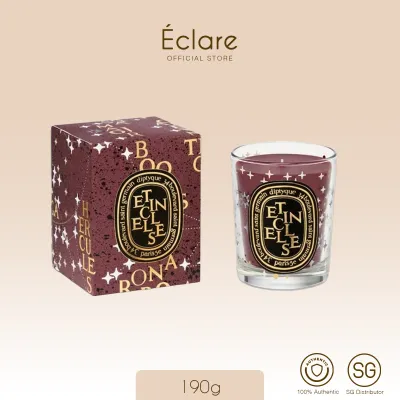

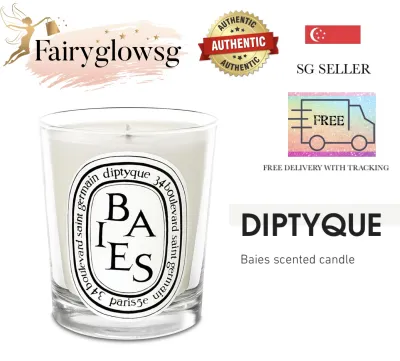
Prices are valid at publication and may change. Please refer to the product page for the latest price.
The physical characteristics and primary function of the target room should also guide your decision. A quiet, private space like a bedroom or a home study calls for subtle, grounding aromas that encourage relaxation and focus without overwhelming the senses. Conversely, active social zones like a spacious living room, dining area, or open-concept entryway can easily accommodate more robust, complex, and vibrant scent profiles that welcome guests and stimulate conversation.
Environmental factors are equally critical, particularly in tropical climates like Singapore’s, where high humidity and temperature levels affect how fragrance molecules disperse. In humid conditions, heavy or overly sweet scents can sometimes feel dense and cloying, making well-ventilated spaces or air-conditioned rooms essential for their enjoyment. If your home relies primarily on natural ventilation and ceiling fans, lighter, crisper fragrance profiles often perform more consistently, providing a refreshing breeze of scent that does not feel heavy in the warm air.
Navigate the Core Diptyque Fragrance Families
Using fragrance families as a structured framework allows you to systematically narrow down your choices based on the specific atmosphere you wish to cultivate. Rather than guessing how a candle will smell when lit, categorizing scents helps you predict their overall behavior and spatial impact.

To make an informed choice, always consult the official scent descriptions and note pyramids provided by the manufacturer. These pyramids break down the fragrance into top, heart, and base notes, giving you a clear picture of the initial impression, the core character, and the lingering undertones that will define your home’s ambiance.
Floral and Botanical Scents
Floral and botanical profiles capture the essence of living gardens, utilizing classic notes such as fresh rose, heady tuberose, jasmine, and green fig leaf. These fragrances are designed to bring a sense of natural elegance and organic beauty indoors, offering a sophisticated backdrop that feels both romantic and revitalizing.
These delicate, garden-inspired scents are highly suited for private sanctuaries like bedrooms, dressing areas, or bathrooms, where they enhance self-care rituals and quiet evening wind-downs. The green, leafy undertones found in botanical blends can also introduce a clean, outdoorsy feel to minimalist living spaces, helping to soften modern interior lines.
Because floral notes can range from incredibly soft to intensely rich, it is important to check product labels for specific intensity descriptions. In smaller or poorly ventilated rooms, highly concentrated floral candles can quickly become overpowering, so opting for lighter, green-leaning botanical profiles is a practical way to maintain a balanced, comfortable atmosphere.
Woody and Earthy Scents
Woody and earthy fragrances rely on rich, grounding base notes such as warm sandalwood, dry cedarwood, earthy patchouli, and resinous amber. These profiles excel at creating a cozy, sophisticated, and deeply comforting environment, making them a popular choice for winding down after a long day or creating a sense of warmth during rainy weather.
These robust, comforting scents find their ideal placement in spaces dedicated to quiet focus or relaxed social gathering, such as home libraries, studies, living rooms, or reading nooks. The deep, lingering qualities of wood notes help anchor a room, providing a subtle, sophisticated backdrop that complements low-light environments and natural wood decor.
When selecting a woody candle, take a moment to verify the wax blend specifications detailed on the product label. Woody fragrance oils are dense and heavy, meaning they require precise wax formulations to burn evenly and throw scent effectively. Ensuring the candle is crafted from a high-quality, compatible wax blend helps prevent tunneling and guarantees a clean, consistent burn.
Fresh, Citrus, and Fruity Scents
Fresh, citrus, and fruity profiles utilize vibrant notes like lemon zest, bitter orange, blackcurrant berries, and crushed green herbs to deliver an instant burst of energy. These bright, uplifting aromas are perfect for daytime burning, helping to clear the mind, boost productivity, and refresh the senses.
These clean, palate-cleansing scents are highly recommended for functional or high-traffic areas of the home, such as kitchens, entryways, and home offices. They work exceptionally well to neutralize cooking odors, welcome guests with an inviting freshness, or maintain focus during long working hours without causing sensory fatigue.
To prevent olfactory fatigue—where your nose becomes accustomed to a scent and stops noticing it—consider rotating your fresh fragrances regularly. Alternating between a zesty citrus in the morning and a slightly sweeter fruity or herbal blend in the afternoon keeps your sensory experience dynamic and engaging throughout the day.
Match the Candle to Your Lifestyle and Routine
Your daily routine and candle-burning habits should heavily influence the specific scent profiles you choose. If you prefer short, thirty-minute burns to quickly refresh a room before guests arrive, highly volatile citrus or light herbal scents are ideal because they disperse rapidly. For long, leisurely evening burns, deeper woody or rich floral scents are better suited, as they develop slowly and linger beautifully over several hours.
For those living in open-concept apartments or homes with adjacent living areas, scent layering offers a way to create a customized sensory journey. The key to successful layering is pairing complementary families—such as a light citrus in the dining area transitioning into a soft wood in the living room—while ensuring one scent remains dominant so they do not compete for attention.
When selecting a candle as a gift, safety and versatility are paramount. It is generally best to choose universally appealing, moderate-intensity profiles like soft berries or clean green botanicals rather than highly polarizing, heavy florals or intense spices. Additionally, always purchase from authorized local retailers so your recipient has the flexibility to exchange the item if they prefer a different fragrance family.
To ensure a safe burning environment, always place your candle on a stable, heat-resistant surface away from drafts, open windows, and flammable materials. Never leave an open flame unattended, and ensure the candle is fully extinguished and the wax has cooled before leaving the room or going to sleep.
Verify Authenticity and Product Specifications Before Buying
To ensure you are receiving a genuine product that performs safely and beautifully, always purchase your candles directly from official brand boutiques, authorized department stores, or verified online flagship stores. Avoid third-party online marketplaces or unauthorized resellers, as counterfeit candles often use low-quality wax and synthetic fragrance oils that can produce soot or burn unevenly.
Upon receiving your candle, perform a quick physical inspection to verify its quality and authenticity. Check that the packaging is sturdy, the iconic oval label is perfectly centered and aligned, and the wax surface is smooth and free of discoloration or sweating. The wick should be centered and securely anchored at the bottom of the glass vessel.
Finally, always verify the product specifications listed on the packaging, including the net weight (typically ranging from 70g for travel sizes to 190g for standard sizes) and the manufacturer’s estimated burn time. Checking these details ensures the candle aligns with your usage expectations and provides a reliable baseline for proper maintenance.
Frequently Asked Questions (FAQ)
How can I determine the estimated burn time of a specific candle?
To find the estimated burn time of your candle, check the physical product packaging, the base label, or the official product specification page. Standard 190g candles typically offer an estimated burn time of up to 60 hours, while smaller 70g travel sizes generally burn for up to 30 hours. Keep in mind that achieving this maximum duration depends heavily on proper candle care. You must trim the wick to approximately 3mm to 5mm before every burn, keep the candle away from active drafts or air conditioning vents, and ensure the first burn lasts long enough for the entire top layer of wax to liquefy completely to prevent tunneling.
Is it advisable to burn two different scented candles in the same room?
Yes, you can burn two different candles simultaneously, provided you select complementary scent profiles to avoid creating an overwhelming or clashing olfactory experience. A safe approach is to choose candles from the same fragrance family, or pair a very light, simple scent—like a clean herbal note—with a more complex woody or floral fragrance. To ensure the aromas blend harmoniously rather than competing directly, place the candles in different zones of the room rather than right next to each other. This spatial separation allows the scents to gently mingle in the air, creating distinct, pleasant pockets of fragrance throughout your living space.

Community discussion
Share your experience or ask a question. Comments are reviewed before publication.