
Choosing an essential oil diffuser for your home requires balancing room size, aesthetic preferences, and daily usage habits. Instead of searching for a single universal winner, buyers should evaluate brands based on specific categories—such as premium ceramic designs for quiet bedrooms or high-capacity performance models for open living areas. This guide provides a conditional decision framework to help you compare key specifications, verify safety standards, and select the right brand category for your space.
By focusing on verifiable product specifications rather than subjective marketing claims, you can identify a device that operates safely, fits your interior decor, and delivers consistent scent dispersion. Whether you are looking to create a calming environment in a compact study or need a robust unit to cover a large, open-concept living area, understanding the technical and material differences between diffuser brands will guide you to the right purchase.
Key Performance Specs to Compare Across Diffuser Brands
When comparing different diffuser brands, the relationship between water tank capacity and expected runtime is one of the most critical factors to evaluate. A larger water tank does not automatically guarantee a longer continuous runtime, as the rate of mist output varies significantly between models. To establish an accurate baseline, always check the manufacturer’s technical specification sheet for the milliliter-per-hour (ml/h) output rating rather than relying on broad marketing promises. A diffuser with a 100ml tank operating at a conservative output of 20ml/h will run longer than a 200ml tank operating at a high-intensity output of 60ml/h.
Products mentioned in this guide
![[KIRONA SCENT] Tower Nebulizer (Black) | Waterless Diffuser | FREE 100ml Pure Essential Oil](https://img.lazcdn.com/g/p/5e82a240f87282eff7e1bc1b611dc5a9.png_400x400q80.png_.webp)
Prices are valid at publication and may change. Please refer to the product page for the latest price.
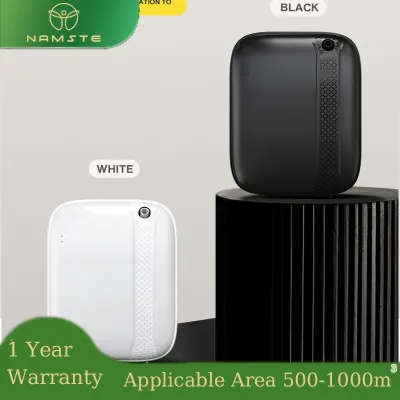
The underlying technology used for scent dispersion also dictates performance and suitability for different rooms. Ultrasonic diffusers use a small ceramic disc that vibrates at high frequencies to break down a mixture of water and essential oil into a fine, cool mist. This technology is highly popular because it adds a subtle amount of moisture to the air, making it well-suited for air-conditioned bedrooms where dry air can cause discomfort. Nebulizing diffusers, on the other hand, operate without water, using pressurized air to atomize pure essential oil directly. While nebulizers deliver a highly concentrated scent ideal for larger spaces, they consume oil at a much faster rate and tend to produce more operational noise.
Operational convenience is another differentiator among brands. Look for models that offer adjustable mist settings, allowing you to switch between low and high output depending on your immediate needs. Interval timers—such as settings that cycle the mist on and off every 30 seconds—are highly beneficial for extending runtime and preventing sensory habituation, which occurs when your nose becomes accustomed to a continuous scent. Additionally, verify the noise level rating of the device; for bedroom use, look for brands that specify an operational noise level below 30 decibels to ensure your sleep remains undisturbed.
Build Quality and Aesthetic Integration for Home Decor
An essential oil diffuser is a highly visible addition to your home decor, making build quality and material selection key considerations. Premium brands often utilize natural materials such as ceramic, hand-blown glass, or solid wood for their outer casings. Ceramic and glass covers offer a heavy, high-quality feel that integrates seamlessly with modern, minimalist, or Scandinavian interior styles. While these materials are highly resistant to the corrosive nature of pure essential oils, they are fragile and require careful handling during cleaning and refilling.

In contrast, many mid-range and budget-friendly brands utilize plastic casings, often finished with a wood-grain veneer. While lightweight and highly durable, it is essential to verify that any plastic components coming into direct contact with water and essential oils are made from BPA-free materials, such as polypropylene (PP). Standard plastics can degrade, warp, or crack over time when exposed to concentrated essential oils, which can lead to leaks and internal electrical damage.
Beyond materials, consider the physical footprint, base stability, and power cord design of the diffuser. A wide, low-profile base provides greater stability, reducing the risk of the unit tipping over if accidentally bumped on a bedside table or shelf. Check the length of the included power cord; a cord that is too short limits placement options, while an excessively long cord can create a tripping hazard. Non-slip rubber feet on the base are also a valuable feature to prevent the device from sliding on polished wooden or glass surfaces.
Integrated lighting features should also align with your spatial needs. Many diffusers feature built-in LED lights that can function as ambient nightlights. When comparing brands, ensure that the lighting element can be controlled independently of the misting function. This allows you to run the diffuser overnight in complete darkness if you are sensitive to light while sleeping. Look for brands that offer warm, dimmable tones rather than harsh, cycling colors if your primary goal is relaxation.
Safety Features and Electrical Compliance to Verify
Because essential oil diffusers combine water and electricity, verifying safety features and local electrical compliance is a critical step before making a purchase. For homes in Singapore, always ensure that the power adapter supplied with the diffuser is rated for the standard domestic voltage of 230V and a frequency of 50Hz. The adapter must feature a compatible Type G three-pin plug. To guarantee that the device has undergone rigorous testing for electrical safety, look for the local Safety Mark on the power adapter itself. Purchasing devices with uncertified adapters or relying on flimsy travel adapters poses a significant electrical hazard.
An automatic shutoff mechanism is a non-negotiable safety feature that every reputable diffuser brand must include. This safety sensor detects when the water level in the tank drops below a minimum threshold and immediately cuts power to the ultrasonic plate or heating element. Without an auto-shutoff feature, a dry diffuser will continue to run, leading to overheating, potential melting of plastic components, and a heightened risk of electrical fires.
For households with young children or pets, cool-mist ultrasonic diffusers are inherently safer than traditional steam-based vaporizers or candle-lit burners, as they do not utilize heating elements that can cause accidental burns. However, you should still verify that the outer cover fits securely over the internal water tank. A secure, locking lid design prevents large volumes of water from spilling instantly if the unit is knocked over, protecting your furniture and reducing the risk of water coming into contact with nearby electrical outlets.
How to Match Diffuser Brand Categories to Your Needs
To simplify your search, diffuser brands can generally be categorized into three distinct profiles, each suited to different living situations and user preferences. Premium ceramic or glass brands are ideal for bedrooms, home offices, or dedicated relaxation spaces where aesthetics and quiet operation are the top priorities. These brands focus on high-quality materials, elegant designs, and whisper-quiet ultrasonic technology. While they typically feature smaller tank capacities ranging from 100ml to 150ml, their visual appeal makes them a seamless addition to curated home interiors.
High-capacity performance brands are designed for large, open-concept living areas, dining rooms, or homes with high ceilings. These brands prioritize utility and wide-area scent coverage, offering robust plastic builds with tank capacities of 300ml to 500ml or more. They deliver a high volume of mist over extended periods, often running continuously for 10 to 12 hours on a single fill. While they may lack the delicate aesthetic of ceramic models, their durability and high output make them the practical choice for active family spaces.
Budget-friendly compact brands are best suited for small desks, powder rooms, or occasional travel. These lightweight, plastic units are often powered via USB connections, making them highly portable and easy to move between workspaces. However, they generally have limited coverage areas, smaller water tanks, and shorter lifespans compared to premium or performance models. They serve as an excellent entry-point option or a secondary device for localized scenting.
Regardless of the brand category you choose, always verify the availability of local after-sales support before finalizing your purchase. A reputable brand should offer a local warranty of at least 6 to 12 months. Confirm that the brand has an accessible customer service channel or physical service center in Singapore, and check if they sell replacement parts such as power adapters, internal splash guards, or replacement lids. Having access to official replacement parts ensures that a minor component failure does not render your entire diffuser unusable.
Where to Buy and What to Verify Before Checkout
To ensure you receive an authentic product with valid safety certifications, prioritize purchasing your diffuser from official brand stores, authorized home goods retailers, or established department stores. While general online marketplaces and e-commerce platforms offer a wide variety of options, buying from unverified third-party sellers carries a high risk of receiving parallel imports that lack local Safety Marks, compatible Type G plugs, or valid local warranties.
Upon delivery of your diffuser, perform a thorough physical inspection before discarding the packaging. Verify that the box seals are intact and that the package contains all specified accessories, including the correct power adapter, a measuring cup if applicable, and the official user manual. Check the warranty card or registration instructions to ensure you can register your purchase online immediately to secure your coverage.
Finally, review the included user manual carefully before operating the device for the first time. Pay close attention to the manufacturer’s recommended oil-to-water ratio, which typically ranges from 3 to 5 drops of essential oil per 100ml of water. Using excessive amounts of oil or utilizing thick carrier oils, synthetic perfumes, or alcohol-based scents can clog the delicate ultrasonic plate, degrade the plastic tank, and ultimately void your warranty.
Frequently Asked Questions (FAQ)
Can I use tap water in my essential oil diffuser?
While some manufacturers state that clean tap water is acceptable, using distilled or filtered water is highly recommended for most diffuser brands. Tap water contains dissolved minerals that can gradually accumulate on the ultrasonic transducer plate over time. This mineral buildup reduces the efficiency of the mist output and can eventually cause the device to fail completely. Always consult your specific brand’s instruction manual, as some advanced models are calibrated to detect the mineral content in tap water to complete their electrical circuits and may not function correctly with pure distilled water.
How often should I clean my diffuser to prevent mold?
To maintain optimal performance and prevent the growth of mold, mildew, or bacteria, you should perform a quick rinse and wipe-down of the water tank after every few uses, or whenever you change to a different essential oil scent. For a thorough deep clean, most brands recommend cleaning the tank once a week. Fill the tank with warm water and a few drops of white vinegar or mild dish soap, let it sit for a few minutes, and then gently wipe the interior surfaces with a soft cloth or cotton swab. Avoid using abrasive scrubbers or harsh chemical cleaners on the delicate ultrasonic plate, and always follow the manufacturer’s specific care instructions to avoid voiding your warranty.

Community discussion
Share your experience or ask a question. Comments are reviewed before publication.