
Choosing the right fragrance families for your scented tealight candles depends on the specific mood you want to create, the size of your room, and your personal scent preferences. The five primary fragrance families to look for are floral, woody, citrus, fresh, and spicy. By understanding how these profiles behave in compact spaces, you can select the ideal tealight candles to elevate your home’s ambiance.
Quick Guide to Tealight Candle Fragrance Families
A fragrance family is a classification system used to group different scents based on their dominant olfactory characteristics. In the world of scented tealight candles, these families help you predict how a candle will smell when lit, even before you purchase it. Because tealights are small, they offer a subtle, localized scent throw that makes them perfect for experimenting with different profiles.
The core scent categories you will encounter include floral, woody, citrus, fresh, and spicy. Each of these families possesses distinct notes that interact differently with your indoor environment. Some are light and airy, while others are rich and lingering.
Products mentioned in this guide
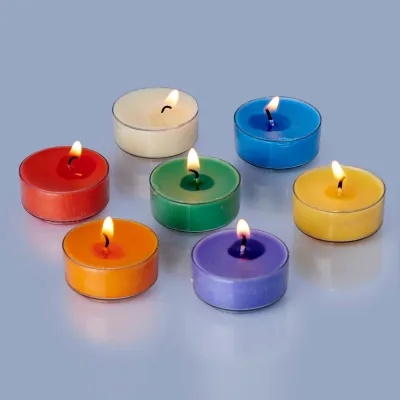
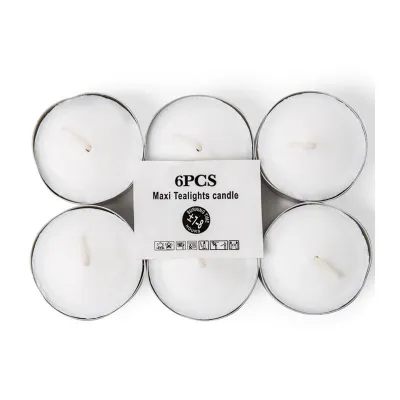
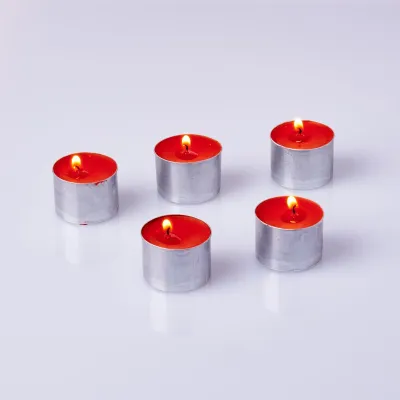

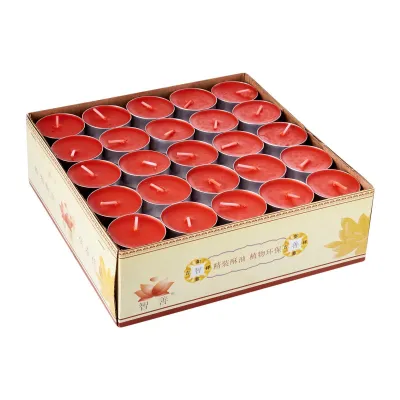
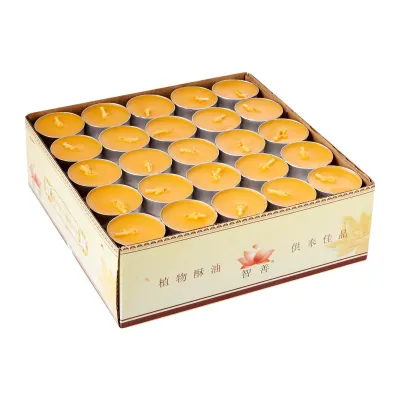
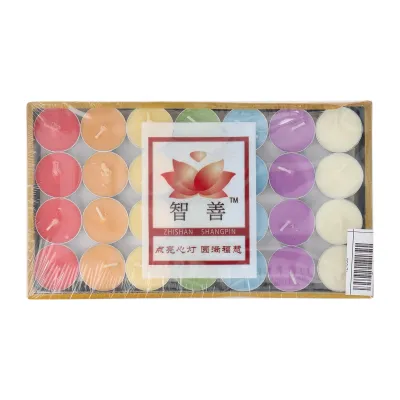
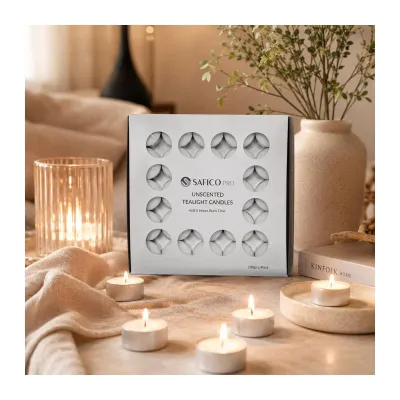
Prices are valid at publication and may change. Please refer to the product page for the latest price.
When selecting a fragrance family, your personal preference and the intended room ambiance serve as the primary decision drivers. For instance, a scent that works beautifully in a spacious living area might feel overwhelming in a compact study or bathroom. Understanding these families allows you to curate a cohesive sensory experience across your entire living space.
Floral and Fruity Scent Profiles
Floral and fruity scent profiles are among the most popular choices for home fragrance, offering a wide spectrum of sweet, romantic, and vibrant aromas. Common floral notes include classic rose, delicate jasmine, lavender, and peony, while fruity notes often feature bright berry, sweet apple, peach, and fig. These scents are highly versatile and can instantly soften the atmosphere of a room.

The typical moods these profiles evoke range from uplifting and cheerful to romantic and deeply comforting. A soft floral tealight can make a bedroom feel like a serene sanctuary, while fruity notes can add a playful, energetic vibe to a social gathering. They are excellent for creating an inviting, hospitable environment for guests.
However, it is important to note potential sensitivities or overpowering effects when burning these sweet profiles in small, unventilated spaces. In compact rooms, heavy floral or sugary fruit scents can quickly become cloying. If you are sensitive to strong aromas, look for lighter, green-floral blends and ensure there is adequate air circulation in the room.
Woody and Earthy Scent Profiles
If you prefer a grounding, warm, or cozy atmosphere, woody and earthy scent profiles are an excellent choice. These fragrances bring the calming essence of nature indoors, featuring common notes such as rich sandalwood, clean cedar, crisp pine, and earthy patchouli or vetiver. They tend to have a more subtle, lingering presence compared to bright florals or sharp citrus.
The typical moods associated with woody scents are deeply relaxing, grounding, and rustic. They evoke the feeling of a quiet forest walk or a cozy cabin retreat, making them ideal for unwinding after a long day. The natural warmth of these notes helps to lower stress levels and promote a sense of security and comfort.
These profiles are exceptionally well-suited for evening use or for creating a dedicated retreat-like environment in your home. Burning a woody tealight during a warm bath or while reading a book in the evening helps signal to your mind that it is time to rest. They also pair beautifully with the soft, flickering glow of candlelight during rainy weather.
Citrus and Fresh Scent Profiles
For those seeking a clean, energizing, or odor-neutralizing ambiance, citrus and fresh scent profiles are highly effective. Common citrus notes include zesty lemon, bright bergamot, grapefruit, and lime, while fresh notes often incorporate eucalyptus, mint, sea breeze, and clean linen. These fragrances are characterized by their crisp, sharp, and instantly recognizable qualities.
The typical moods evoked by these profiles are energizing, clean, and refreshing. They help to clear mental clutter, boost focus, and create an atmosphere of pristine cleanliness. If you find yourself feeling sluggish during a humid afternoon, a citrus-scented tealight can provide a quick, natural mental lift.
These scents are commonly used in kitchens, bathrooms, or daytime settings where odor neutralization and freshness are priorities. A fresh eucalyptus or lemon tealight can quickly cut through cooking odors or stale air, leaving the space feeling revitalized. They are also perfect for home offices, where they can help maintain focus without causing drowsiness.
Spicy and Oriental Scent Profiles
Spicy and oriental scent profiles offer rich, warm, and complex aromas that are perfect for specific seasonal moments or intimate evening moods. Common notes in this family include warm cinnamon, aromatic clove, sweet vanilla, rich amber, and exotic cardamom. These fragrances are deeply sensory and tend to linger in the air much longer than lighter scent families.
The typical moods these profiles create are cozy, festive, and intimate. They are excellent for hosting dinner parties, celebrating holidays, or creating a warm, welcoming environment during cooler evenings. The sweetness of vanilla combined with the warmth of spices can make any space feel instantly more luxurious and comfortable.
Because of their strong throw and rich composition, it is wise to use spicy tealights sparingly in smaller rooms. In a compact bedroom or a small study, a heavy cinnamon or amber scent can easily become overwhelming. Opt for single tealights rather than multiple burning candles when using these potent profiles in enclosed spaces.
How to Match Scent Profiles to Your Space and Mood
To get the most out of your scented tealight candles, it helps to have a practical framework for pairing specific fragrance families with different rooms and activities. Matching the scent to the function of the space ensures that the fragrance enhances your daily routines rather than disrupting them.
You can easily map different scent families to common household spaces based on their functional benefits. For example, fresh and citrus profiles are ideal for kitchens and bathrooms because they neutralize odors and promote a sense of cleanliness. On the other hand, woody, floral, or soft vanilla notes are perfect for bedrooms and living areas where relaxation and comfort are the primary goals.
Room size and ventilation play a crucial role in how you perceive tealight candle scents, especially in compact housing layouts like those found in Singapore. In smaller, air-conditioned rooms, a single tealight with a subtle floral or woody profile is often sufficient to scent the entire space. In larger, naturally ventilated living areas, you may need to place a couple of tealights in strategic locations to achieve a noticeable fragrance throw without creating stagnant air.
Additionally, consider the time of day and your specific activities when selecting a profile. A bright citrus scent is perfect for morning yoga or daytime remote work, as it keeps your mind alert. In contrast, transitioning to a grounding sandalwood or lavender scent in the evening helps prepare your body for sleep by creating a distinct sensory boundary between work and rest.
What to Check on the Label Before Purchasing
When shopping for scented tealight candles, looking beyond the packaging design is essential to ensure you get a product that aligns with your preferences and safety standards. Checking specific details on the label will help you verify quality and performance.
First, instruct yourself to check the ingredient list for the types of fragrances used. Scented candles typically use either natural essential oils, synthetic fragrance oils, or a blend of both. If you have known respiratory sensitivities or prefer entirely natural products, look for candles scented exclusively with pure essential oils, keeping in mind that synthetic fragrance oils often offer a wider variety of complex scents and a stronger throw.
Next, always verify the estimated burn time printed on the packaging. A standard tealight candle typically burns for approximately three to five hours, but this can vary depending on the wax blend and wick quality. Ensuring the burn time meets your usage needs prevents you from having to constantly replace extinguished candles during an evening event or relaxation session.
It is also critical to look for standard safety warnings and manufacturer instructions for proper tealight usage. Ensure the label includes instructions on using a heat-resistant holder, keeping the candle away from drafts, and never leaving a burning candle unattended. If you plan to use tealights in decorative ceramic burners or lanterns, verify that the candle is rated safe for enclosed holders.
Finally, remember that the “scent throw”—how far the fragrance travels—varies significantly by brand, fragrance concentration, and wax type (such as soy, beeswax, or paraffin). Since you cannot test the throw in the store, check product descriptions or user reviews to see if other buyers describe the scent as subtle or intense, allowing you to choose the right strength for your specific room size.
Frequently Asked Questions (FAQ)
Can I mix different fragrance families in the same room?
Burning different fragrance families simultaneously carries a high risk of scent clashing, which can result in an unpleasant, chaotic aroma and rapid olfactory fatigue. If you wish to burn multiple tealights, it is generally best to stick to a single fragrance family or choose complementary notes, such as pairing citrus with fresh herbs, or woody notes with soft vanilla.
Do scented tealight candles produce more soot than unscented ones?
Yes, scented tealight candles can produce more soot because the added fragrance oils alter the chemical composition of the wax, sometimes leading to incomplete combustion. To minimize soot production regardless of the scent profile, always ensure the wick is trimmed to about one-quarter of an inch before lighting and burn the candle in a well-ventilated area free from direct drafts.

Community discussion
Share your experience or ask a question. Comments are reviewed before publication.