
Finding the right decorative accents can transform a room from a simple collection of furniture into a cohesive, expressive home. If you are looking to add classic structure, sculptural height, and a touch of historical elegance to your space, choosing the perfect ginger vase is an excellent place to start. Originally prized for their functional storage capabilities, these vessels have evolved into some of the most versatile styling tools in interior design. However, because they come in an array of finishes, from traditional hand-painted porcelain to ultra-matte modern stoneware, selecting one that harmonizes with your existing aesthetic requires a clear understanding of your home’s design language.
Matching a ginger vase to your interior is not about finding a perfect replica of your existing decor, but rather about creating a thoughtful conversation between the vessel’s iconic silhouette and your room’s dominant textures, colors, and proportions. Whether your home leans toward clean Scandinavian minimalism, rich traditional Asian heritage, or bold contemporary eclecticism, there is a specific style of this classic jar that will elevate your space. By analyzing the finish, material, and arrangement of your decorative accents, you can easily integrate this timeless piece into any room.
What Is a Ginger Vase? Understanding the Classic Silhouette
To select the right style for your home, it is helpful to first understand what defines a ginger vase and why its shape remains so popular. Historically known as a ginger jar, this vessel is instantly recognizable by its distinct, high-shouldered silhouette. It features a wide, rounded, bulbous body that gently tapers down to a narrower base, a short and narrow neck, and a matching, domed lid. This structured shape gives the vase an inherent sense of volume and presence, allowing it to command attention even when displayed without any floral fillers.
Products mentioned in this guide
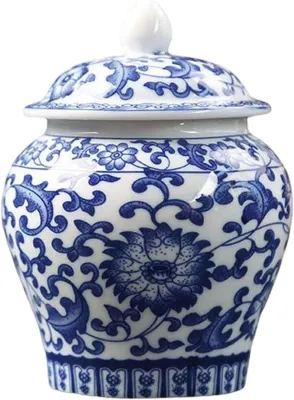
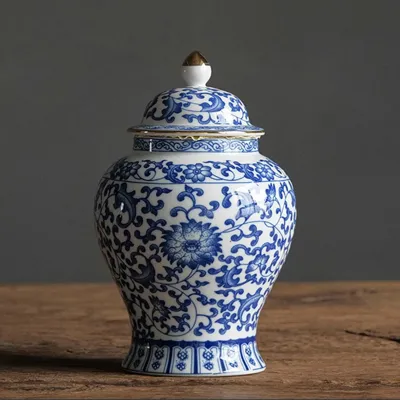
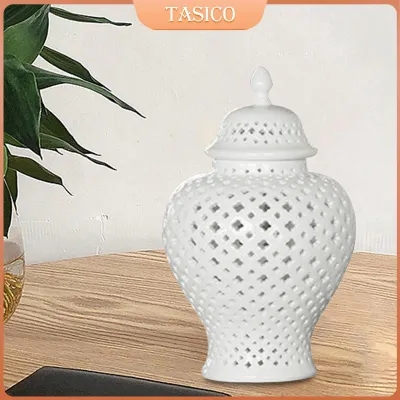
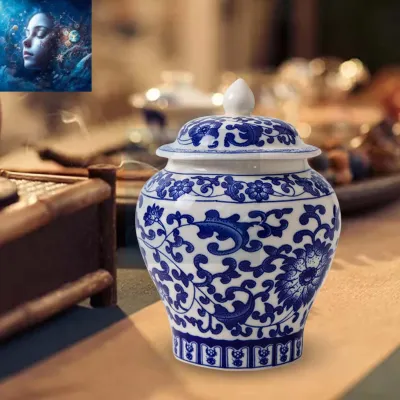
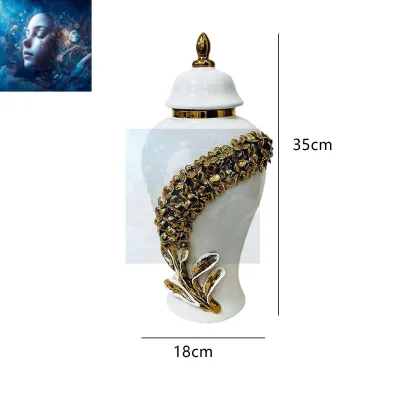
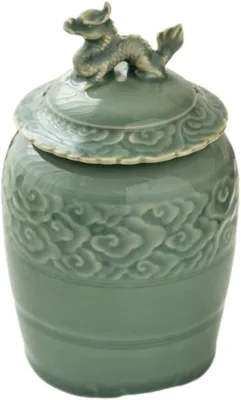
Prices are valid at publication and may change. Please refer to the product page for the latest price.
The origins of this iconic shape date back to ancient China, where these jars were initially used as utilitarian storage vessels. They were designed to hold and transport precious spices, oils, and raw ginger across global trade routes. Over the centuries, as these beautifully crafted ceramic vessels were exported to the West, their utilitarian purpose faded, and they became highly coveted decorative objects.
A common misconception among modern homeowners is that a ginger vase is designed to hold raw ginger root or that it emits a ginger-like scent. In contemporary home decor, the term refers strictly to the historical silhouette and physical structure of the vessel. Today, these pieces are crafted from a wide variety of materials far beyond traditional porcelain, making them purely decorative accents designed to bring balance, height, and sculptural interest to modern living spaces.
Top Ginger Vase Styles for Your Interior Theme
The sheer variety of finishes and materials available today means that the classic ginger vase can adapt to almost any design aesthetic. The key to successful integration lies in matching the surface texture, color palette, and pattern density of the vase to the overarching mood of your room.

Minimalist and Scandinavian Spaces
In homes dominated by clean lines, light-filled spaces, and a “less is more” philosophy, a highly ornate, glossy vase can feel visually disruptive. Instead, minimalist and Scandinavian aesthetics call for ginger vases that emphasize form, texture, and organic simplicity.
Look for vases featuring ultra-matte finishes, unglazed ceramic surfaces, or rough, stone-like stoneware. Monochromatic color palettes work best here—think crisp chalk white, soft warm grey, muted beige, charcoal, or gentle earth tones. These subtle shades allow the bulbous, sculptural silhouette of the vessel to stand out without competing with the surrounding space. The tactile quality of an unglazed or lightly textured surface adds a layer of warmth and depth to a minimalist room, preventing it from feeling cold or sterile.
When styling a ginger vase in a minimalist setting, consider removing the domed lid entirely. This transforms the piece into an open container perfect for holding a single, dramatic botanical element. A single dried palm leaf, a sculptural eucalyptus branch, or a few stems of delicate pampas grass will maintain the clean, airy feel of Scandinavian design while highlighting the vase’s elegant neck.
Traditional Asian and Transitional Rooms
For interiors that embrace classic symmetry, rich wood tones, and layered textures, traditional styles of the ginger vase offer an unmatched sense of heritage and elegance. This is the natural home of the classic blue-and-white porcelain jar, which has remained a staple of sophisticated interior design for centuries.
In these spaces, look for high-gloss porcelain or fine ceramic vases adorned with hand-painted cobalt blue patterns. These patterns often feature intricate floral motifs, botanical vines, historic landscapes, or geometric lattice borders. Celadon glazes—characterized by their pale, jade-like green hue and delicate crazing—also fit beautifully into traditional rooms, offering a softer, more organic alternative to bold blue-and-white designs. If your space leans toward transitional design, which blends classic silhouettes with modern simplicity, these highly decorative pieces serve as excellent visual anchors that bridge the gap between old and new.
To maximize the impact of a traditional ginger vase, utilize the design principle of symmetrical pairing. Placing two identical or closely matched ginger jars on either end of an entryway console table, a living room sideboard, or a fireplace mantel creates an instant sense of formal balance, order, and architectural structure.
Contemporary and Eclectic Interiors
If your home decor style is bold, playful, or defined by a mix of eras and design movements, you can opt for contemporary and eclectic interpretations of the ginger vase. These spaces thrive on unexpected contrasts, making them the perfect backdrop for avant-garde materials and striking finishes.
Look for ginger vases finished in high-gloss lacquers, vibrant solid colors, or metallic glazes such as brushed brass, polished copper, and chrome. Smoked glass, tinted translucent glass, and industrial materials like cast concrete or matte resin offer a fresh, modern spin on the traditional ceramic form. You can also play with exaggerated proportions—such as an oversized, floor-standing ginger jar that acts as a sculptural anchor, or a cluster of miniature, brightly colored vases arranged on a floating shelf.
In an eclectic living room or dining area, a contemporary ginger vase works best as a standalone focal point. Place a single, eye-catching metallic or brightly lacquered piece in the center of a sleek, dark wood dining table or on top of a minimalist media console. The contrast between the traditional, historical silhouette of the vase and its ultra-modern finish creates an immediate visual draw and serves as an excellent conversation starter.
Essential Sizing and Material Checks Before You Buy
Before purchasing a ginger vase, it is crucial to evaluate several practical criteria to ensure the piece fits your physical space, suits your local environment, and functions as intended. Taking these steps beforehand prevents common layout mistakes and protects your investment.
Proportions and Scale Always measure the depth, width, and overhead clearance of the surface where you plan to display your vase. Because ginger vases have a wide, bulbous middle, their actual footprint is often much larger than their base. A vase that looks perfectly proportioned online may overhang a narrow floating shelf or crowd a shallow mantelpiece. Conversely, a petite vase can easily get lost when placed on a large, expansive sideboard or dining table. As a rule of thumb, ensure there is at least five to ten centimeters of breathing room around the widest part of the vase to keep the display looking balanced and intentional.
Material and Climate Care The choice of material affects both the durability of the vase and how it interacts with your home’s microclimate. Standard options include porcelain, stoneware, terracotta, glass, and resin. Whether you are investing in a high-end hand-painted heirloom or looking for a budget-friendly S$40 modern ceramic alternative on an online marketplace, material selection requires extra attention if you live in a highly humid tropical climate like Singapore.
High ambient humidity can cause moisture to collect under heavy decorative objects. Porous, unglazed ceramics, terracotta, and low-fire earthenware can absorb moisture from the air or from fresh flower water, transferring it directly to the surface beneath. Over time, this trapped moisture can cause mold growth, warping, or water stains on delicate wood veneers, lacquered finishes, and natural stone countertops. If you choose an unglazed or porous ceramic vase, ensure you place a protective barrier underneath it.
The Lid Factor Consider how you plan to display the vase when deciding on its style and height. Keeping the domed lid on adds vertical height and completes the formal, traditional silhouette of the jar. It also protects the interior from dust, making it a low-maintenance decorative option. However, if you intend to use the vase to hold fresh floral arrangements, faux botanicals, or tall decorative branches, you will need to remove the lid. Ensure you have a safe, dedicated storage spot for the lid where it will not be accidentally chipped or broken while the vase is in use.
Practical Styling and Placement Tips
Once you have selected the perfect style and size, how you position and care for your ginger vase will determine its overall impact on your room’s design. Implementing a few professional styling techniques can elevate your display from a simple shelf-filler to a curated design feature.
Grouping and Symmetry When styling multiple vases, apply the design rule of threes. Grouping three ginger vases of varying heights, shapes, or complementary finishes creates a visually pleasing, dynamic arrangement on a coffee table or sideboard. If you prefer a more formal, structured look, stick to even numbers and place a matching pair symmetrically on opposite sides of a focal point, such as a large mirror or a piece of wall art.
Focal Points To make a single ginger vase stand out, place it in an area with minimal visual clutter. A large, beautifully glazed porcelain jar makes an excellent centerpiece for a dining table, while a smaller, textured stoneware piece can bring life to a stack of design books on a living room coffee table.
Surface Protection and Safety To protect your valuable furniture from scratches, scuffs, and moisture damage, always place protective pads under the base of your vase. Small adhesive felt pads or cork coasters are highly effective, discreet solutions that prevent the rough, unglazed bottom of a ceramic or stoneware vase from scratching polished wood, glass, or marble. Alternatively, you can style your ginger vase on top of a decorative wooden or metallic tray, which protects the underlying surface while grouping your decor into a cohesive visual unit. Additionally, if you are placing a heavy ceramic vase on a high shelf or wall-mounted ledge, always verify the shelf’s weight capacity and secure the vessel properly to prevent accidental falls.
Frequently Asked Questions (FAQ)
Can I use a ginger vase for fresh floral arrangements?
Yes, many glazed ceramic and porcelain ginger vases can safely hold water for fresh floral arrangements. However, because these vessels were historically designed for storage rather than floristry, you must verify that the interior is fully glazed and waterproof before filling it. To protect delicate or antique ceramic glazes from mineral deposits and water stains, consider placing a separate, narrow glass or plastic liner inside the vase to hold the water and stems. Always remove the lid carefully and store it in a secure location to prevent it from sliding off or getting damaged while arranging your flowers.
How do I clean and maintain a delicate porcelain ginger jar?
To keep your porcelain ginger jar looking pristine, dust it regularly using a soft, dry microfiber cloth or a feather duster. For deeper cleaning to remove fingerprints or built-up dust, wipe the surface gently with a slightly damp cloth and a mild, pH-neutral dish soap. Avoid using harsh chemical cleaners, bleach, or abrasive scrubbing pads, as these can permanently scratch the protective glaze, wear away delicate hand-painted details, or tarnish metallic accents. Always dry the piece thoroughly with a clean towel before replacing the lid to prevent trapped moisture.

Community discussion
Share your experience or ask a question. Comments are reviewed before publication.