
Choosing the right ginger vase style depends on identifying your room’s dominant design language, color palette, and spatial scale. A well-chosen ginger vase—with its signature high shoulders, tapered base, and domed lid—acts as an anchor that unifies your decor, while a mismatched one can disrupt the visual flow of your space. By analyzing your existing furniture lines, color schemes, and available display surfaces, you can confidently select a piece that feels like an intentional extension of your home.
Historically used to store spices in ancient China, the ginger jar has evolved into a versatile decorative staple. Today, these vessels range from classic hand-painted porcelain to sleek, matte-finished stoneware. Finding the perfect match requires a diagnostic approach, looking closely at how your home’s current elements interact before introducing a new focal point.
Assess Your Existing Interior Aesthetic
Before browsing online marketplaces or local home decor boutiques, take a step back to evaluate the dominant design theme of your room. An interior styled with mid-century modern furniture demands a very different accent than a space filled with classic, heritage-inspired pieces. Identifying whether your room leans traditional, modern, transitional, or eclectic establishes a clear baseline for your search.
Products mentioned in this guide
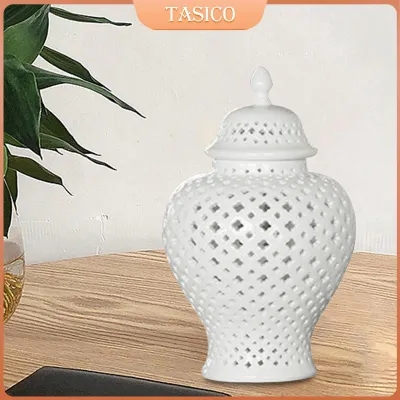
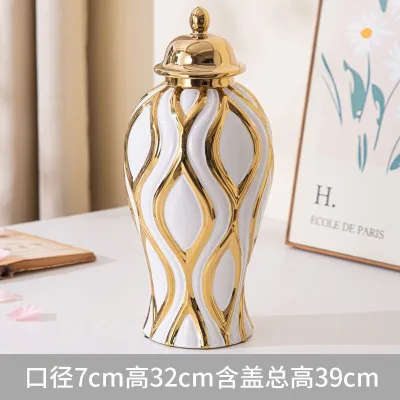
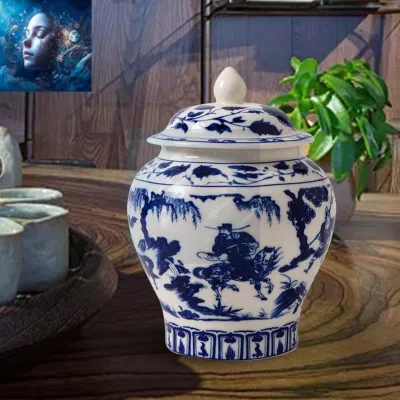
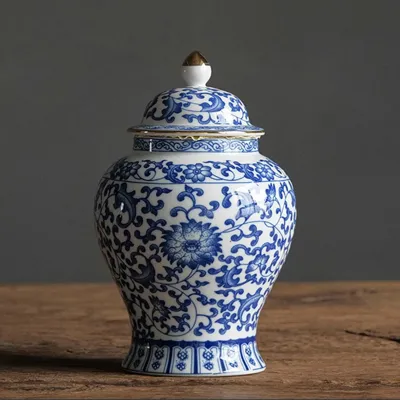
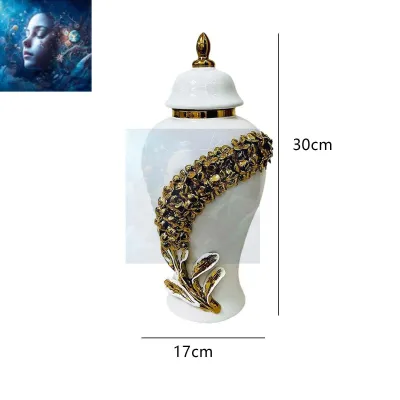
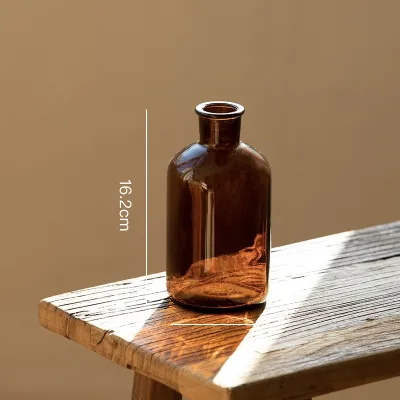
Prices are valid at publication and may change. Please refer to the product page for the latest price.
Next, observe the prevailing lines in your existing furniture and architectural features. If your living room features clean, straight-lined sofas, sharp-edged coffee tables, and minimalist built-in carpentry, a highly geometric or ultra-smooth vase will reinforce this structured look. Conversely, if your space favors soft, curved silhouettes, arched doorways, or plush, rounded armchairs, a traditional bulbous ginger vase will naturally complement those organic shapes.
Finally, analyze the current color palette, material textures, and overall visual density of the room. A minimalist space with plenty of negative space and neutral tones requires a vase that either blends seamlessly or acts as a singular, dramatic pop of color. In contrast, a rich, layered room with textured wallpapers, woven rugs, and diverse art pieces can easily accommodate a highly detailed, patterned vase without feeling overwhelmed.
Match Ginger Vase Styles to Your Decor
Once you have diagnosed your room’s aesthetic, you can match it to one of the four primary ginger vase styles. Traditional ginger vases feature classic blue-and-white porcelain glazes, often adorned with historical motifs, floral patterns, or landscape scenes. These timeless pieces anchor transitional, colonial, and classic spaces, adding a sense of history and refined elegance to entryways or formal dining rooms.

For contemporary and mid-century modern spaces, modern ginger vases offer a fresh interpretation of the classic silhouette. These designs often showcase bold color blocking, abstract geometric patterns, or solid, saturated hues. A modern ginger vase with a striking matte black or vibrant terracotta finish can break up the monotony of neutral walls and introduce a sophisticated, artistic edge to your styling.
Minimalist ginger vases are defined by their pure silhouettes, monochromatic glazes, and unadorned surfaces. Often finished in soft off-whites, warm beiges, or muted charcoal tones, these vessels are ideal for Scandinavian, Japandi, or minimalist interiors. They rely entirely on their iconic shape and subtle texture to create visual interest, making them perfect for low-contrast, calming environments.
If your home embraces a maximalist, eclectic, or glamorous aesthetic, ornate ginger vases are the ideal choice. These pieces feature intricate relief carvings, metallic gold or bronze accents, and rich jewel-toned glazes. An ornate vase serves as a conversation starter, standing out beautifully against dark-painted walls, velvet upholstery, or highly textured decorative backdrops.
Determine Scale, Proportion, and Placement
Selecting the right style is only half the battle; you must also ensure the vase fits the physical and visual proportions of its intended home. Begin by measuring the target surface, whether it is a console table in a narrow hallway, a shallow fireplace mantel, or a built-in bookshelf. Be sure to note both the height clearance and the depth of the surface to avoid purchasing a vessel that overhangs or blocks nearby artwork.
Visual weight is equally important when planning your placement. Large, open-plan living areas or high-ceilinged entryways can easily accommodate substantial, heavy-bottomed ginger vases, either styled individually or arranged in balanced groups. In contrast, compact apartments or small reading nooks require delicate, smaller-scale proportions to prevent the decor from crowding the room.
Decide early on whether your ginger vase will act as a standalone statement piece or function as part of a curated vignette. A single, oversized vase placed in the center of a dining table creates a clean, dramatic focal point. If you prefer a more layered look, a medium-sized ginger vase can be paired with stacked design books, a small scented candle, and a shallow decorative tray to create a balanced, asymmetrical composition.
Choose Finishes, Colors, and Patterns
Surface treatments play a major role in how a ginger vase interacts with the light and color in your room. When deciding on a color, choose between contrast and blending. If your walls are painted a deep charcoal or navy, a crisp white or metallic ginger vase will pop dramatically. If you prefer a serene, cohesive look, select a tonal shade that sits closely to your wall color, allowing the vase’s silhouette to do the talking.
Pattern scale must also be matched to the size and visual busyness of your room. Large, sweeping floral motifs or bold geometric shapes work exceptionally well in expansive areas where they can be appreciated from a distance. For smaller, more intimate spaces, or rooms that already feature patterned wallpaper, opt for subtle, micro-textured surfaces or solid colors to avoid visual clutter.
Consider how the vase’s surface reflectivity will affect the room’s lighting. High-gloss glazes reflect natural light, making them excellent for brightening up darker corners or adding a touch of formal polish to a space. On the other hand, matte, satin, or rough, unglazed ceramic finishes absorb light, offering a rustic, tactile warmth that grounds casual, lived-in interiors.
Your Pre-Purchase Decor Checklist
Before finalizing your purchase, review this practical checklist to ensure your chosen ginger vase meets both your aesthetic and functional needs:
- Verify Dimensions: Double-check the height, maximum width, and base diameter against your measured display surface to ensure a safe, stable fit.
- Confirm Style Alignment: Ensure the vase's color, pattern, and finish complement your diagnosed interior theme rather than competing with it.
- Assess Stability and Safety: If you live in a household with active pets or young children, opt for wider, heavier bases that are less prone to tipping, and avoid placing fragile porcelain on low, high-traffic tables.
- Check the Return Policy: Because ceramic glazes can look different under warm home lighting compared to studio product photography, verify that the retailer offers a flexible return or exchange policy.
Frequently Asked Questions (FAQ)
Can I mix different ginger vase styles in one room? (FAQ)
Yes, you can successfully mix different ginger vase styles in a single room, provided you maintain a sense of visual cohesion. In eclectic or transitional spaces, combining a traditional blue-and-white patterned jar with a solid, modern matte vase can create an engaging design contrast. To keep the arrangement from looking cluttered, ensure the pieces share at least one common element, such as a similar color palette, matching metallic accents, or a consistent height range.
How do I clean and maintain a glazed ginger vase? (FAQ)
To preserve the beauty of a glazed ginger vase, clean it regularly using a soft, dry microfiber cloth to remove dust. For deeper cleaning, wipe the surface with a damp cloth and a mild, non-abrasive dish soap, then dry it immediately with a clean towel. Always check the manufacturer’s specific care instructions, particularly for antique finishes, hand-painted details, or unglazed ceramic surfaces, which may be sensitive to moisture and harsh chemical cleaners.

Community discussion
Share your experience or ask a question. Comments are reviewed before publication.