
Selecting the ideal home fragrance device requires balancing aesthetic appeal with functional performance. In Singapore, where urban living spaces range from compact study rooms to open-concept HDB living areas, finding the right ultrasonic diffuser involves evaluating how different specifications align with your daily routine. Hooga offers a variety of diffuser models designed to disperse essential oils through ultrasonic vibration, creating a fine mist that carries scent throughout a room. To choose the best model for your home, you must look beyond visual design and examine key technical features such as water tank capacity, mist settings, power requirements, and safety certifications.
Identify Your Primary Use Case and Room Size
Before browsing specific models, evaluate the physical dimensions of the space where you plan to place the diffuser. Singaporean homes often feature distinct spatial layouts, from cozy bedrooms of approximately 9 to 12 square meters to larger, open-plan living areas. A diffuser with a small water reservoir may struggle to scent a spacious living room effectively, as the mist output will disperse too quickly into the larger volume of air. Conversely, placing a high-output diffuser in a small, enclosed study can lead to an overly concentrated scent and excessive moisture buildup on nearby surfaces.
Consider how the local climate and indoor environment affect scent dispersion. Many households in Singapore run air conditioning units regularly, which dehumidifies the air and creates continuous air currents. An air-conditioned room may require a diffuser with a more robust, continuous mist output to maintain a consistent aroma, whereas a naturally ventilated room with open windows might benefit from a model that offers intermittent misting to prevent the scent from being carried away too rapidly.
Products mentioned in this guide
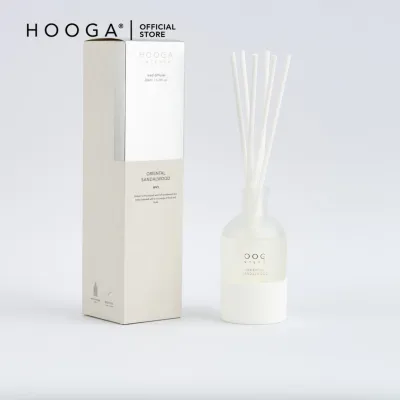
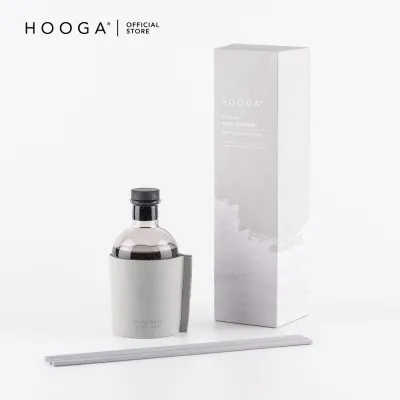
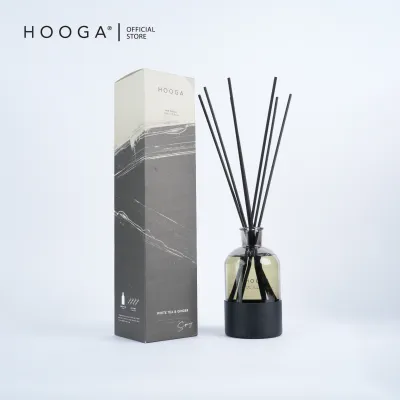
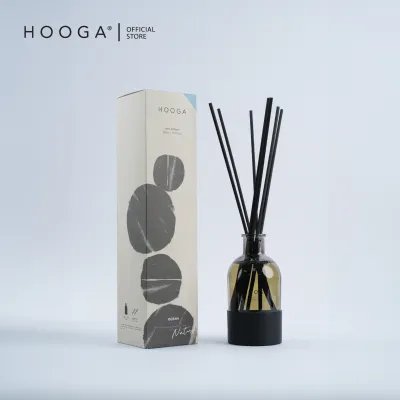
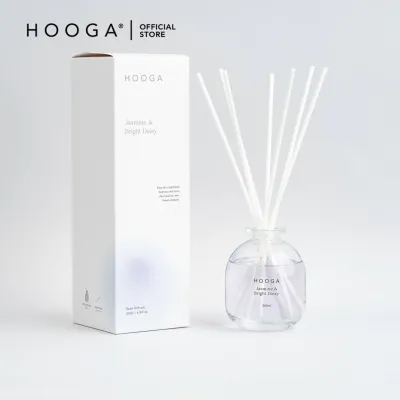
![[6 NEW SCENTS] Hooga Black Series Reed Diffuser 200ml](https://img.lazcdn.com/g/p/1ffd8c3f6be39df0f302c26adff3be23.jpg_400x400q80.jpg_.webp)
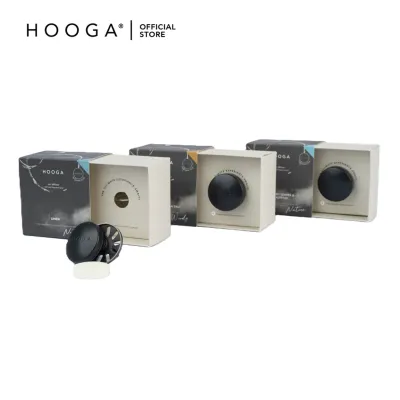
![Hooga Black Series Diffuser [Refill 500ml]](https://img.lazcdn.com/g/p/e2b5159470b1a0e72efe039c34941e95.jpg_400x400q80.jpg_.webp)
Prices are valid at publication and may change. Please refer to the product page for the latest price.
Your daily routine should also dictate your choice between continuous and intermittent operation. If you intend to use the diffuser primarily in the bedroom to support a restful night, you will need a model capable of running continuously for seven to eight hours without requiring a midnight refill. For communal spaces like living rooms or dining areas, where fragrance is typically desired during specific times such as family gatherings or evening relaxation, a model with programmable timer settings or intermittent misting modes is often more practical and economical.
Portability is another critical factor if you plan to move the device between different zones, such as from a home office desk during the day to a bedside table at night. Compact, lightweight models that utilize universal power interfaces are highly versatile for multi-room use or travel. However, if the diffuser is intended to serve as a permanent design statement on a living room console, a larger, heavier model with a premium exterior finish may be more appropriate, even if it is less convenient to move around.
Key Specifications to Compare Across Hooga Models
When comparing different models in the product lineup, the water tank capacity is the most fundamental specification to check. Typically measured in milliliters, the reservoir size directly dictates the maximum continuous run time of the device. A smaller tank, such as 100ml or 150ml, generally provides several hours of continuous mist, making it ideal for short sessions or smaller rooms. Larger tanks, ranging from 300ml to 500ml or more, can operate for extended periods, reducing the frequency of refills but requiring a larger physical footprint on your tabletop.

Mist output settings and timer functions offer essential control over how fragrance is delivered. Look for models that allow you to toggle between high and low mist modes, which lets you adjust the scent intensity based on the room size or the potency of the essential oil you are using. Timer functions—such as one-hour, three-hour, or six-hour automatic shutoff options—provide peace of mind, allowing you to fall asleep or leave the house without worrying about the device running indefinitely. Intermittent misting modes, which cycle the diffusion on and off at set intervals, can also significantly extend the operating life of a single water tank.
Because diffusers are frequently used in quiet environments like bedrooms, studies, or nurseries, operational noise is a key consideration. Ultrasonic diffusers operate by using an internal electronic plate that vibrates at an ultrasonic frequency, creating microscopic water droplets without generating significant heat. While this technology is inherently quieter than traditional steam vaporizers, some models may still produce a soft humming sound from the internal fan or gentle water-dripping noises. Checking the product specifications for noise levels, typically measured in decibels, can help ensure you select a whisper-quiet model that will not disrupt your sleep or concentration.
Safety features should never be overlooked when selecting an electrical appliance for your home. A reliable auto-shutoff mechanism is a critical feature that automatically powers down the ultrasonic plate and fan when the water level in the reservoir falls below a safe threshold. This prevents the device from running dry, which can cause overheating, damage the internal components, or pose a potential electrical hazard. Always verify that this safety feature is clearly listed in the product specifications of the model you are considering.
Design, Materials, and Ambient Features
Beyond technical performance, an ultrasonic diffuser serves as a decorative element within your home. The exterior materials of the diffuser should complement your existing interior design style. Models featuring natural wood-grain finishes or ceramic covers blend seamlessly with Scandinavian, minimalist, or rustic aesthetics, adding a warm, organic texture to the space. On the other hand, sleek matte plastic or glass designs offer a modern, contemporary look that fits well in minimalist or industrial-themed rooms.
Many modern diffusers incorporate built-in LED mood lighting to enhance the sensory experience. When evaluating these ambient features, check whether the lighting can be controlled independently of the misting function. Ideally, you should be able to turn the light off completely while the diffuser continues to run, which is particularly important if you are sensitive to light when sleeping. Some models offer a range of color-changing options, fixed warm white light, or dimming capabilities, allowing you to customize the visual warmth of the room to match your mood.
The physical footprint and structural stability of the diffuser are practical considerations for safe placement. Measure the surface area of your nightstand, shelf, or side table to ensure the model’s base fits securely without risk of being easily knocked over. A wider, low-profile base generally offers greater stability than a tall, top-heavy design, especially in households with pets or young children. Additionally, check the length and type of the power cord; a cord that is too short may limit your placement options or require the use of extension cords, which can create clutter and tripping hazards.
Maintenance, Cleaning, and Safety Boundaries
To ensure your ultrasonic diffuser operates efficiently and has a long lifespan, regular maintenance is essential. Over time, essential oil residues and mineral deposits from water can accumulate inside the water tank and on the delicate ultrasonic plate. This buildup can restrict mist output, alter the scent of your oils, and harbor bacteria or mold. A standard cleaning routine involves emptying any remaining water, wiping the interior of the tank with a soft, damp cloth, and gently cleaning the ultrasonic plate with a cotton swab dipped in a mild, non-abrasive solution.
Always refer to the manufacturer’s specific instructions for descaling and deep cleaning. Many brands recommend using a diluted mixture of white vinegar and water to dissolve stubborn mineral scale, followed by a thorough rinse with clean water and complete air-drying before the next use. Avoid using harsh chemical cleaners, steel wool, or abrasive scrubbing pads, as these can permanently scratch the plastic reservoir or damage the sensitive ultrasonic transducer, rendering the device unusable.
Electrical safety is paramount when dealing with devices that combine water and electricity. Always ensure the power is completely isolated by unplugging the adapter from the wall outlet before filling, emptying, or cleaning the water tank. Verify that the local voltage matches the device’s requirements; in Singapore, the standard domestic voltage is 230V at 50Hz. Ensure the diffuser is placed on a flat, water-resistant surface away from direct water sources, electrical outlets, and sensitive electronics that could be damaged by moisture or accidental spills. Only use the power adapter provided by the manufacturer, as using an incompatible third-party adapter can lead to electrical instability or overheating.
Be vigilant for signs that indicate you should stop using the device and contact the manufacturer or a qualified professional. If you notice unusual grinding noises, a sudden drop in mist output despite a clean tank, a failure of the auto-shutoff mechanism, or any visible damage to the power cord or adapter plug, disconnect the power immediately. Continuing to operate a malfunctioning electrical device poses significant safety risks, including short circuits or electrical fires.
Where to Verify Current Lineups and Warranties
Because product availability, design variations, and bundle offers can change over time, it is best to verify the current lineup of Hooga diffusers through official and authorized channels. Visiting the official brand website or stepping into one of their physical showrooms in Singapore allows you to examine the physical dimensions, material textures, and aesthetic appeal of the diffusers in person. Seeing the devices operating in a showroom can also give you a realistic sense of their mist output, light brightness, and operational noise levels.
When purchasing, always verify the warranty terms, return policies, and after-sales support options. Authorized physical stores and official online storefronts on major ecommerce platforms typically provide clear warranty coverage against manufacturing defects, which is crucial for electrical home appliances. Be cautious of purchasing from unauthorized third-party sellers, as these products may not come with local warranty support or may not be certified for safe electrical use in Singapore.
Many retailers offer promotional bundles that package a diffuser together with a selection of essential oils. While these deals can offer excellent value, make sure to prioritize the specifications of the diffuser itself over the included oils. Whether you are budgeting S$30 or S$80 for your home fragrance setup, ensuring the device’s tank capacity, timer functions, and size are the right fit for your specific room requirements first is key, as a high-quality diffuser is a long-term investment in your home’s comfort and ambiance.
Frequently Asked Questions (FAQ)
Can I use tap water instead of distilled water in my diffuser?
While many ultrasonic diffusers can technically operate using clean tap water, the mineral content present in tap water can significantly affect the device’s performance over time. In Singapore, tap water is safe and clean, but it still contains trace minerals that can gradually form a white, powdery scale buildup on the ultrasonic plate and the interior walls of the tank. This scale can reduce the efficiency of the ultrasonic vibrations, leading to weaker mist output. To minimize maintenance and extend the lifespan of your device, check your specific model’s user manual; many manufacturers recommend using distilled or purified water to prevent mineral buildup.
How many drops of essential oil should I add?
There is no single universal number of drops that works for every situation, as the ideal concentration depends on several variables. These include the water tank capacity of your specific diffuser model, the potency of the essential oil, the size of the room, and your personal sensitivity to fragrance. As a general guideline, a smaller 100ml tank typically requires around 3 to 5 drops of essential oil, while a larger 300ml to 500ml tank may require 8 to 12 drops to achieve a noticeable scent. It is always best to start with the manufacturer’s suggested baseline printed on the product label or manual, and then gradually adjust the amount to suit your personal preference and spatial needs.

Community discussion
Share your experience or ask a question. Comments are reviewed before publication.