
Finding the right torch light battery for your home’s emergency lamp is essential to ensure your household remains prepared for unexpected power outages. In Singapore, where high-rise HDB living relies on dependable utility systems, having a functional emergency light on hand provides peace of mind. Matching the correct battery size, voltage, and chemistry to your specific torch model prevents device damage and guarantees the light will activate when you need it most.
How to Identify Your Torch Light's Battery Requirements
To determine which battery your emergency torch requires, start by inspecting the physical device. Open the battery compartment cover and look closely at the interior casing. Manufacturers typically engrave or print the required battery size (such as AA, AAA, C, or D) directly onto the plastic, alongside clear positive (+) and negative (-) polarity markings.
If the markings inside the compartment are difficult to read, check the exterior product label. This label is usually located on the back or bottom of the torch and lists the exact model number, voltage requirements, and electrical certifications. For specialized rechargeable torches, this label will also specify the exact input voltage needed for charging.
Products mentioned in this guide
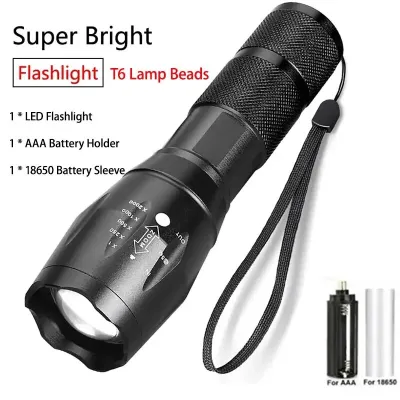
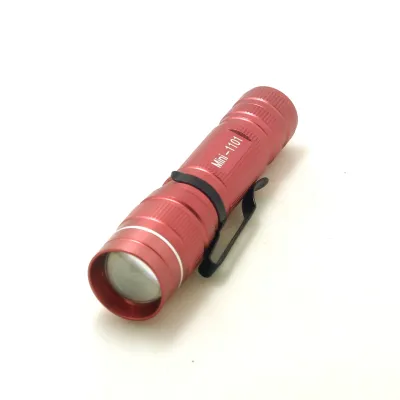
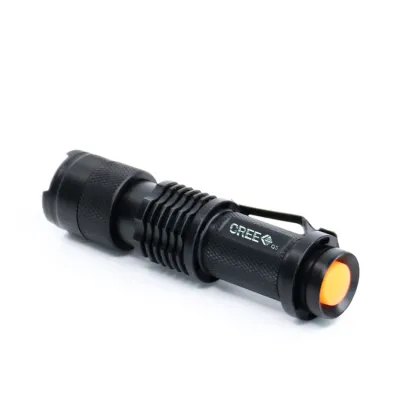
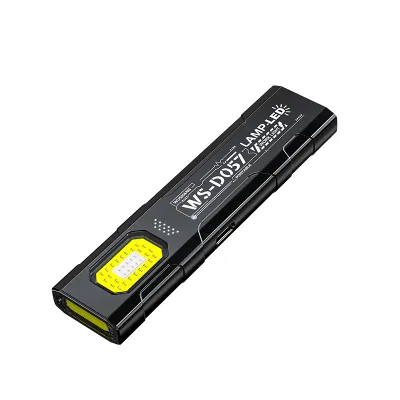
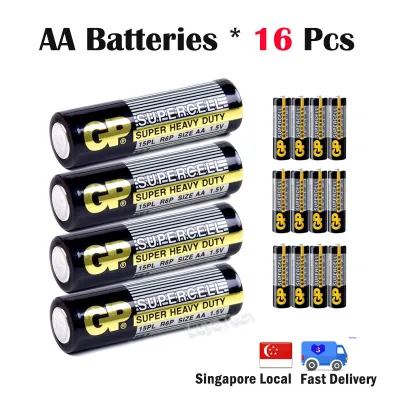
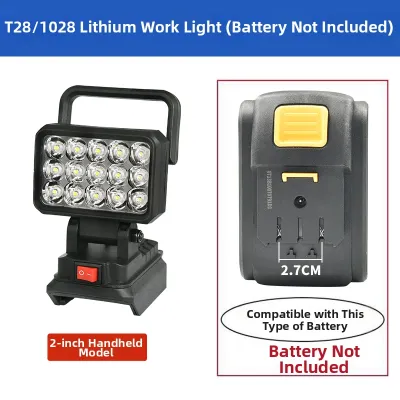
Prices are valid at publication and may change. Please refer to the product page for the latest price.
When physical markings are unavailable, consult the manufacturer’s instruction manual or official product website. Standard household emergency torches often use familiar cylindrical alkaline batteries, while more compact or high-intensity models may require specialized lithium-ion formats. Verifying these specifications before purchasing replacements prevents compatibility issues and potential electrical hazards.
Comparing Battery Chemistries for Emergency Lighting
Selecting the right battery chemistry is just as important as choosing the correct physical size. Alkaline batteries are the most common choice for standard, low-drain emergency torches. They are widely available, highly reliable for occasional use, and hold their charge well when stored unused in a drawer.

For torches designed with built-in rechargeable systems, lithium-ion cells are frequently utilized. These batteries offer high energy density and consistent power output, but they must only be used in devices specifically engineered to support them. Attempting to insert lithium-ion cells into a device designed solely for alkaline batteries can cause permanent damage due to the significant voltage difference.
Nickel-metal hydride (NiMH) batteries serve as an eco-friendly, rechargeable alternative to alkaline cells. While NiMH batteries are excellent for torches that see frequent use, they do exhibit a higher self-discharge rate, meaning they will gradually lose power over time even when the torch is turned off. If you choose NiMH cells, regular recharging cycles are necessary to maintain emergency readiness.
Regardless of the chemistry you select, always follow the critical safety rule of battery replacement: never mix different chemistries, brands, or old and new batteries within the same device. Mixing batteries can lead to uneven power distribution, rapid discharge, and an increased risk of battery leakage or rupture.
Battery Safety and Storage in HDB Homes
Proper storage of backup batteries is crucial for maintaining their shelf life and ensuring safety in a typical HDB apartment. Store your spare batteries in a cool, dry place away from direct sunlight, high humidity, and heat sources like kitchen appliances. Excessive heat can accelerate battery self-discharge and degrade the internal components over time.
Keep your spare batteries in their original packaging until you are ready to use them. This practice prevents the metal terminals of different batteries from coming into contact with one another, which can cause an accidental short circuit, rapid heating, or potential fire hazards. Original packaging also keeps the batteries organized and safely out of reach of young children.
If you have emergency torches that are kept in storage and not used for extended periods, remove the batteries entirely. Over time, unused batteries can slowly discharge and leak corrosive potassium hydroxide or other chemicals, permanently damaging the internal contacts of your torch. Storing the batteries separately next to the device ensures the torch remains clean and functional.
When batteries eventually deplete or show signs of damage, dispose of them responsibly. Do not throw household batteries into the general rubbish chutes of your HDB block. Instead, utilize the designated e-waste recycling bins located at community centres, supermarkets, or public transport hubs across Singapore to ensure safe environmental processing.
Troubleshooting Power and Connection Issues
If your emergency torch fails to turn on after installing fresh batteries, start by verifying the physical alignment. Check that the positive and negative terminals of each battery align perfectly with the corresponding markings inside the compartment. Ensure that each cell is fully seated and that the compartment door closes securely to maintain constant pressure on the contacts.
Next, inspect the metal contacts inside the battery compartment for dirt, dust, or corrosion. If you notice a dull film or white powdery residue, clean the contacts gently using a dry cotton swab or a small pencil eraser. Ensure the device is completely powered off and disconnected from any charging cables before attempting to clean the terminals.
If you discover severe battery leakage that has coated the interior with dried chemicals, it is usually safest to stop using the device entirely. Corrosive battery acid can eat through the internal wiring and circuit boards, making the torch unreliable or unsafe to operate. In such cases, replacing the entire torch unit is the most practical solution.
When a torch remains unresponsive despite clean contacts and brand-new batteries, the issue likely lies within the internal circuitry or the LED bulb itself. Modern emergency torches rely on solid-state components that can degrade over time or fail after physical drops. If troubleshooting the power source yields no results, plan to replace the unit to ensure you have a dependable light source.
Frequently Asked Questions (FAQ)
Can I use rechargeable batteries in a torch designed for alkaline cells?
You can sometimes use rechargeable NiMH batteries in an alkaline-designed torch, but you must check the manufacturer’s guidelines first. Standard alkaline batteries have a nominal voltage of 1.5V, whereas NiMH rechargeable batteries typically operate at 1.2V. This lower voltage can cause the torch to appear slightly dimmer or trigger low-battery indicators prematurely. Never attempt to use high-voltage rechargeable lithium-ion cells in a standard alkaline torch, as the excessive voltage can burn out the LED bulb or damage the internal circuitry.
How often should I test and replace batteries in my emergency lamp?
It is highly recommended to test your emergency torch every three to six months to ensure it functions correctly. Perform a quick test by turning the light on for a few minutes to observe the brightness and stability of the beam. For torches utilizing alkaline batteries, replace the cells before their printed expiration date, or at least once every two years, even if the torch has not been used. This preventive maintenance significantly reduces the risk of battery leakage and ensures the torch is ready for any sudden power disruption.

Community discussion
Share your experience or ask a question. Comments are reviewed before publication.