
When searching for the ideal wireless table lamp in Singapore, there is no single brand that universally claims the title of “best” for every user. Instead, identifying the right model requires balancing battery capacity against power consumption, alongside evaluating the physical durability of the housing materials. Rather than relying on vague marketing terms such as “long-lasting” or “heavy-duty,” you should focus on verified technical specifications found on the manufacturer’s label and the physical weight of the unit. A fundamental trade-off exists in portable lighting: robust materials like anodized aluminum or solid brass offer superior durability and tip-over stability, but this added weight naturally reduces everyday portability. By understanding how battery metrics and material standards interact, you can make an informed decision that perfectly matches your specific living space and daily routines.
Evaluating Battery Life and Charging Specifications
To accurately compare the battery performance of different wireless table lamps, you must look past promotional runtime claims and analyze the underlying electrical specifications. Manufacturers often advertise maximum runtimes that only apply when the lamp is set to its lowest, dimmest setting—which may be too dim for reading or dining. To estimate real-world performance, you can calculate the battery’s total energy capacity in watt-hours (Wh) using a simple formula: multiply the battery capacity in milliampere-hours (mAh) by the nominal voltage (typically 3.7 volts for lithium-ion cells), then divide by 1,000. For example, a lamp equipped with a 4,000 mAh battery operating at 3.7V possesses 14.8 Wh of stored energy. If the lamp draws 3 watts of power at its maximum brightness setting, it will run for approximately 4.9 hours before requiring a charge. Conversely, if you dim the lamp to a low ambient setting of 0.5 watts, the same battery can sustain the light for nearly 30 hours.
The charging interface also plays a critical role in the long-term convenience and reliability of your portable lamp. Most modern wireless lamps utilize standard USB-C ports, which allow you to share chargers with other household electronics and eliminate the need for dedicated cables. Some premium models feature proprietary magnetic docking bases. While these docks offer excellent “pick-up-and-go” convenience and reduce wear on physical ports, they limit charging to a single location and are costly to replace if the dock or cable fails.
Products mentioned in this guide
![[LUMENA] SPACE ON PLUS | Wireless Table Lamp | Aesthetic Bedside Night Light | 9600mAh Dimmable LED Mood Lamp | Portable Desk Light Home Decor](https://img.lazcdn.com/g/p/0e7bf2ce1e218af57c6e812efcfc1e98.jpg_400x400q80.jpg_.webp)
![[LUMENA] SPACE M1 | 5000mAh LG Battery | Wireless Portable Lamp | Aesthetic Bedside Night Light | Dimmable Table Mood Lamp Home Decor](https://img.lazcdn.com/g/p/6c707f1787b1bc3dc1ea19105ccca621.png_400x400q80.png_.webp)
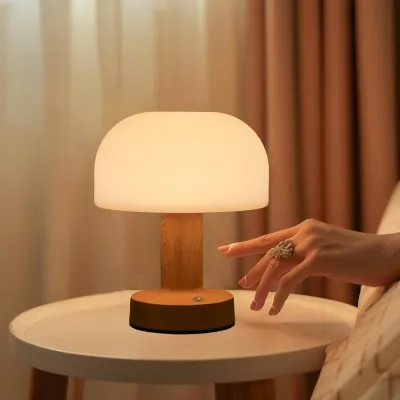
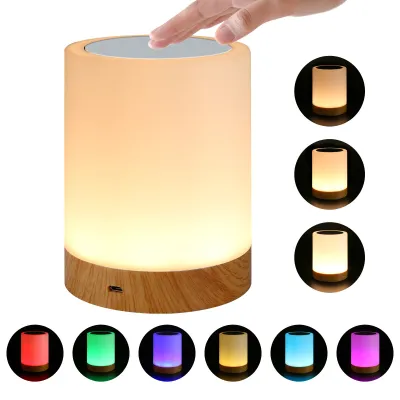
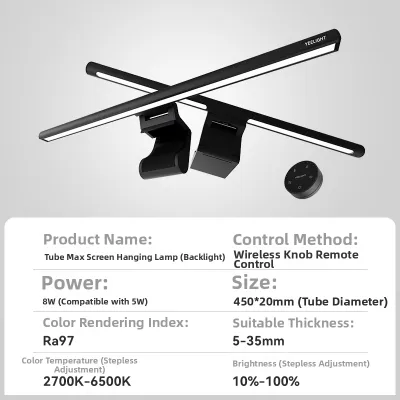
Prices are valid at publication and may change. Please refer to the product page for the latest price.
Furthermore, you should evaluate how the lamp manages battery health over time. Because lithium-ion batteries naturally degrade with every charge cycle, look for models that feature clear low-battery indicators—such as a subtle color-changing LED or a gentle pulsing light—rather than lamps that simply shut off without warning. This warning allows you to recharge the battery before it undergoes a deep discharge, which significantly accelerates capacity loss. Finally, check if the battery is user-replaceable. While most contemporary wireless lamps feature sealed, non-replaceable batteries that render the entire unit disposable once the cells degrade, a few sustainable designs allow you to swap out the battery pack, greatly extending the product’s overall lifespan.
Assessing Build Quality and Material Durability
The physical construction of a wireless table lamp determines how well it will withstand the rigors of daily handling, accidental drops, and environmental exposure. The choice of housing material directly influences the lamp’s weight, thermal management, and aesthetic longevity. Anodized aluminum and metal alloys represent the premium standard for structural durability. Metal excels at dissipating heat away from the LED driver and battery, which is crucial for maintaining battery safety and efficiency in Singapore’s warm climate. Additionally, anodized finishes resist scratches and maintain their appearance over years of use, though they are heavier and more prone to showing fingerprint smudges.

For a lighter and more budget-friendly option, high-grade ABS plastic or polycarbonate is widely used. While lightweight and highly resistant to impact, low-quality plastics can degrade, become brittle, or yellow over time when exposed to sunlight near windows. If choosing a plastic model, look for high-density, matte-finished polymers that offer a solid, non-flexing feel when squeezed. Silicone and elastomeric materials are also common, particularly in bedside or children’s lamps. These materials provide exceptional drop resistance and a soft tactile feel, though they tend to attract dust and require more frequent cleaning.
If you plan to use your wireless lamp on a balcony, patio, or near dining areas where liquid spills are common, checking the Ingress Protection (IP) rating is essential. An IP rating consists of two digits: the first indicates protection against solid particles like dust, and the second indicates protection against liquids. For semi-outdoor environments in Singapore, where high humidity and sudden rain showers are common, look for a minimum rating of IP54. This ensures the lamp is protected against dust ingress and splashing water from any direction, preventing short circuits and internal corrosion.
Beyond raw materials, pay close attention to structural weak points. For adjustable or folding lamps, inspect the hinge mechanisms; metal-reinforced joints are far superior to pure plastic friction joints, which inevitably loosen and cause the lamp head to droop. Base weighting is another critical safety factor. A quality lamp should feature a weighted base—often achieved with an integrated steel plate—to lower the center of gravity and prevent accidental tip-overs. Finally, test the tactile feedback of the controls. Touch-sensitive sensors offer a sleek, seamless look with no moving parts to wear out, but they can become unresponsive if your fingers are damp. Physical buttons provide reliable, tactile confirmation but must be sealed properly to prevent moisture from entering the internal circuitry.
Matching Lamp Features to Your Daily Use Cases
Selecting the right wireless table lamp requires matching these technical and material specifications to your specific household habits. By establishing a clear decision framework, you can avoid overpaying for unnecessary features or purchasing a lamp that fails to meet your daily demands.
If your primary goal is to place a lamp on a dedicated study desk, bedside table, or dining table where it will remain stationary for long periods, prioritize battery capacity and stability over lightweight portability. For these scenarios, a heavy-base model weighing 600 grams or more is ideal, as it resists being knocked over during busy family meals or late-night study sessions. Look for a battery capacity of at least 4,000 mAh to ensure the lamp can easily power through a full evening of high-intensity reading light without needing a mid-session recharge.
Conversely, if you require a highly versatile light that you can carry from the kitchen to the living room, or take outdoors for evening gatherings on the balcony, portability and ruggedness become your primary concerns. In this case, look for a lightweight model weighing under 400 grams, preferably constructed from impact-resistant ABS plastic or thin-walled aluminum. An integrated handle, a textured grip, and a certified IP54 moisture rating are highly beneficial features that protect the lamp from accidental drops on hard tile floors or exposure to evening condensation.
For users who require continuous, uninterrupted illumination for many hours a day, standard wireless operation may not suffice. If you plan to keep the lamp plugged into a charger for the majority of the day and only use it wirelessly on occasion, you must verify if the specific model supports pass-through charging. Many budget wireless lamps lack the sophisticated circuitry required to power the light directly from the wall adapter while bypassing the battery. In these lower-end models, keeping the lamp plugged in while turned on forces the battery to continuously charge and discharge simultaneously. This process generates excessive heat, which rapidly degrades the lithium-ion cells and can lead to premature battery failure or swelling.
What to Verify Before Buying Online or In-Store
Before finalizing your purchase, whether browsing a physical showroom in Singapore or shopping on an online marketplace, executing a final quality and safety check will protect your investment. Because wireless lamps contain high-capacity lithium-ion batteries, safety should always be your primary consideration.
First, verify that the lamp or its accompanying charging adapter carries recognized electrical safety certifications. In Singapore, power adapters sold to consumers must meet stringent safety standards and carry the appropriate safety compliance labels. Avoid purchasing unbranded, extremely cheap wireless lamps from overseas sellers on e-commerce platforms that do not display clear certification marks (such as CE, FCC, RoHS, or local safety marks). Non-compliant charging circuits lack essential overcurrent and thermal protection, posing a genuine fire hazard in residential spaces.
Second, carefully review the manufacturer’s warranty terms. Many brands offer a standard one-year warranty on the physical structure of the lamp but exclude the battery entirely, or limit battery coverage to just six months. Because the battery is the most vulnerable component of a wireless lamp, look for manufacturers that offer comprehensive warranties covering battery capacity retention or those that provide clear pathways for battery servicing and replacement.
Finally, when purchasing online, confirm the platform’s return and exchange policy. This allows you to perform a thorough physical inspection immediately upon delivery. Once the lamp arrives, check the alignment of all seams, ensure there are no rattling components inside the housing, and test the touch controls for responsiveness. Turn the lamp on at various brightness levels to check for visible flickering, which can cause eye strain during prolonged use, and verify that the actual color temperature matches the warm or cool tone promised in the product description.
Frequently Asked Questions (FAQ)
Can I leave my wireless table lamp plugged in all the time?
Keeping a wireless table lamp plugged into a live charger indefinitely is generally not recommended for long-term battery health. Most portable lamps utilize lithium-ion batteries, which experience accelerated degradation when maintained at a constant 100% state of charge, especially in warm ambient temperatures. Over several months, this continuous electrical pressure can cause the battery cells to lose their capacity permanently, resulting in significantly shorter runtimes when you eventually use the lamp wirelessly. To maximize the lifespan of your lamp, consult the product manual to see if the device features an intelligent battery bypass mode. If the manufacturer does not explicitly state that the lamp can safely run directly from mains power while isolating the battery, it is best to unplug the charging cable once the battery indicator shows a full charge.
How do I clean the housing without damaging the finish?
To clean your wireless table lamp safely, always turn off the device and disconnect it from any charging cables or power sources first. Use a soft, dry, or slightly damp microfiber cloth to gently wipe away dust and fingerprints from the housing and the light diffuser. Avoid using harsh chemical solvents, alcohol-based cleaners, acetone, or abrasive scrubbing pads, as these substances can strip the protective anodized coating from aluminum lamps, scratch or cloud polycarbonate diffusers, and degrade plastic housings. When cleaning, take extreme care to prevent any moisture from entering the charging ports, physical switches, touch-sensitive control areas, or structural seams, as internal liquid exposure can permanently damage the electronic control board and battery management system.

Community discussion
Share your experience or ask a question. Comments are reviewed before publication.