
Choosing the right aromatherapy method depends on how you interact with your living space and how much time you want to dedicate to maintenance. If you prefer a subtle, localized scent that requires zero electricity, wooden scent balls offer a minimalist, passive solution. Conversely, if you want to fill a large living room with a consistent, adjustable mist, an electric diffuser provides the active power needed to disperse fragrance widely. Balancing these options involves looking closely at your daily habits, room sizes, and the unique environmental conditions of your home.
Comparing Passive and Active Diffusion Mechanics
Passive and active diffusion operate on entirely different physical principles, which directly dictates how scent behaves in your home. Passive diffusion relies on the natural porosity of materials like wood to absorb essential oils and slowly release them into the surrounding air at ambient temperature. When you place a few drops of oil onto a wooden scent ball, the wood fibers act as a reservoir, allowing the volatile compounds of the oil to evaporate gradually without any external heat or mechanical assistance. This results in a highly localized, subtle fragrance zone that remains close to the physical object itself.
Active diffusion, on the other hand, utilizes mechanical energy to force the essential oil into the atmosphere. The most common active devices are ultrasonic diffusers, which use a small vibrating plate to break down a mixture of water and essential oil into a fine, cool mist. Other active methods include heat-based diffusers or fan-driven systems that physically push air through an oil-saturated pad. Because active systems physically project particles into the air, they create a more immediate and noticeable scent throw. However, the actual distance the scent travels, its overall intensity, and any changes to room humidity depend heavily on the manufacturer’s specifications, the device’s output settings, and the ambient airflow of your room.
Products mentioned in this guide
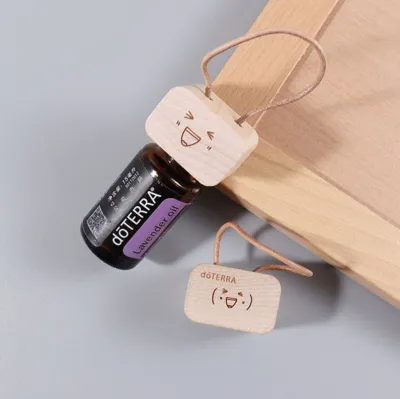
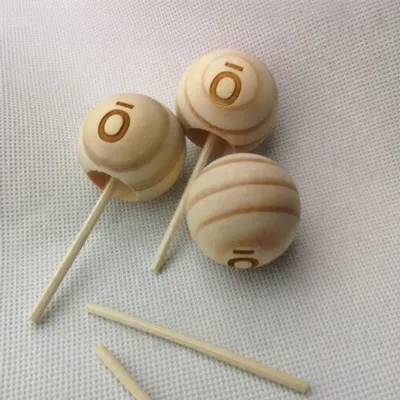
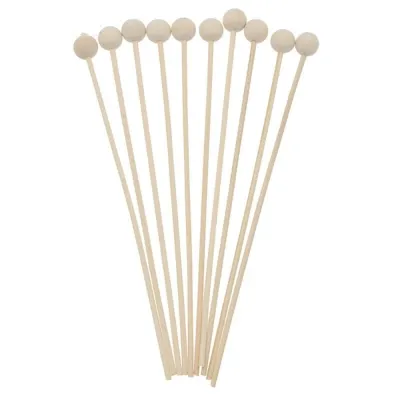
Prices are valid at publication and may change. Please refer to the product page for the latest price.
Matching Diffusion Methods to Your Space and Coverage Needs
Matching the diffusion method to your specific room layout is essential for achieving the desired fragrance level without overwhelming your senses. Electric diffusers are generally designed for larger, open-plan areas such as living rooms, dining spaces, or open-concept apartments. The active misting action helps carry the scent across wider distances, making it easier to establish a consistent ambient aroma throughout a larger volume of air. If you are trying to scent a spacious living area in a typical Singapore apartment, an active electric unit is often a practical choice to ensure the fragrance does not simply dissipate near the corner of the room.

In contrast, wooden scent balls are highly suited for small, enclosed, or personal zones where a concentrated burst of fragrance is preferred over wide-scale dispersion. These passive diffusers excel on bedside tables, compact study desks, or inside enclosed spaces like wardrobes, shoe cabinets, and drawers. Because they do not rely on a continuous mist, they will not over-saturate a small closet with moisture, which is a critical consideration in humid tropical climates.
Placement constraints also play a major role in your decision. Electric diffusers require a stable, flat surface and proximity to a wall outlet, which limits where they can be safely positioned. The power cord can also present a tripping hazard or look cluttered in minimalist spaces. Wooden scent balls are entirely cordless and highly portable, allowing you to place them on floating shelves, inside delicate drawers, or even in vehicles without worrying about power sources or water spills. From an aesthetic standpoint, wooden balls offer a warm, organic texture that blends seamlessly with natural, Scandinavian, or biophilic interior designs. Electric diffusers, while available in various sleek designs, still present as electronic appliances and may require more deliberate styling to integrate into your decor.
Aligning Aromatherapy Upkeep With Your Daily Routine
Integrating aromatherapy into your lifestyle requires a realistic assessment of how much daily effort you are willing to invest in upkeep. Operating an electric diffuser is an active process that involves several steps before each use. You must fill the water reservoir to the designated line, add a precise number of essential oil drops, secure the lid, and select your preferred timer or mist settings. This routine must be repeated every time the water runs dry, making it a conscious daily task that requires proximity to a water source.
Wooden scent balls offer a much simpler, low-intervention routine. To use them, you simply apply a few drops of your chosen essential oil directly onto the wooden surface and let it absorb. There are no water tanks to fill, no buttons to press, and no timers to manage. The scent will gradually fade over several days or weeks, at which point you can choose to refresh it with more oil or let it fade completely. This makes passive wood diffusers highly convenient for busy individuals or those who prefer a set-and-forget approach to home fragrance.
Maintenance requirements differ significantly between the two methods and carry different risks if neglected. Electric diffusers require regular cleaning to prevent mineral buildup, mold, and bacteria growth inside the water tank, especially in warm, humid environments. You must descale the tank periodically using diluted vinegar or a manufacturer-approved cleaning solution and wipe down the ultrasonic plate gently to maintain proper misting performance. Neglecting this maintenance can lead to unpleasant odors or even disperse mold spores into your living space. Wooden scent balls require virtually no active cleaning, but they do have a finite lifespan. Over time, the wood fibers can become saturated with oil residue, which may eventually turn rancid or degrade the wood. When this occurs, the balls must be replaced to maintain a clean scent profile.
Safety and supervision are also critical considerations. Active misting units must be placed out of reach of curious pets and young children, as accidental tipping can cause water damage or expose them to concentrated oil mixtures. Additionally, continuous active misting can affect indoor air quality, requiring careful monitoring in homes with sensitive individuals. Wooden scent balls eliminate the risk of water spills and electrical hazards, but because they hold concentrated oils on their surface, they must still be kept safely out of reach of children and pets who might mistake them for toys or food.
Estimating Upfront Costs and Long-Term Oil Consumption
Evaluating the financial commitment of each method involves looking at both the upfront purchase price and the long-term cost of essential oils. When exploring local retail listings or online marketplaces in Singapore, you will find that basic wooden scent sets are highly economical, often costing only a fraction of the price of an electric appliance. This low entry barrier makes passive wood diffusers an excellent option for budget-conscious users or those who want to experiment with aromatherapy without a significant initial investment.
Electric diffusers represent a higher upfront cost, with prices varying widely depending on the brand, materials, water capacity, and additional features like ambient lighting or smart home integration. When purchasing an electric unit, it is also important to verify that the device is compatible with local electrical standards, typically requiring a 230V power supply and a Type G plug, and ideally carrying recognized safety certifications to ensure long-term reliability.
Long-term operational costs are heavily influenced by oil consumption patterns. Active electric diffusers generally consume essential oils at a faster rate because they disperse a continuous stream of mist into the air, requiring regular refills of both water and oil to maintain the scent level. While this provides a stronger and more immediate fragrance experience, it can lead to higher ongoing expenses as you purchase replacement oils more frequently. Passive wooden balls consume less oil overall because the evaporation process is slow and localized. However, because the scent is subtle, you may find yourself applying oil more frequently if you prefer a more noticeable fragrance, which can also impact your long-term oil budget. Additionally, you should factor in the occasional cost of replacing the wooden balls themselves once they become fully saturated or show signs of wear.
Making Your Final Choice: A Condition-Based Decision Framework
To determine which aromatherapy method aligns with your home and lifestyle, consider the specific conditions of your living space and your personal preferences.
You should choose wooden scent balls if you:
- Prefer a subtle, highly localized fragrance experience that remains confined to a specific personal zone like a desk or bedside table.
- Want a completely cordless, portable solution that can be placed safely inside wardrobes, drawers, or shelves without requiring an electrical outlet.
- Seek a low-maintenance option that does not require daily water refills, regular descaling, or electrical monitoring.
- Wish to avoid adding any additional moisture to your room, which is particularly beneficial in naturally humid spaces.
You should choose an electric diffuser if you:
- Require a strong, wide-reaching scent throw capable of filling larger living areas or open-concept rooms.
- Appreciate customizable features such as adjustable mist levels, built-in timers, and integrated ambient lighting.
- Are comfortable with a regular maintenance routine that includes filling water tanks and cleaning the device to prevent mineral buildup.
Before finalizing your choice, always verify if anyone in your household, including pets, has specific respiratory sensitivities. Active misting can disperse essential oil particles more aggressively into the air, which may affect sensitive airways or pet health differently than the gentle, passive evaporation of wooden balls. Furthermore, neither method may be suitable if you require commercial-grade scenting for very large spaces, have strict medical restrictions regarding essential oil exposure, or lack a secure, elevated area to store concentrated oils away from children and pets.
Frequently Asked Questions (FAQ)
Can I use the same essential oils for both wooden balls and electric diffusers?
Most pure, high-quality essential oils are compatible with both passive wooden balls and active electric diffusers, but there are important exceptions to keep in mind. Thick, highly viscous oils such as vetiver, patchouli, or heavy resins may not absorb easily into the dense fibers of wooden scent balls, and they can quickly clog the delicate ultrasonic plates of electric diffusers. Additionally, you should avoid using synthetic fragrance oils or essential oils pre-blended with heavy carrier oils (like jojoba or sweet almond oil) in electric units, as these carrier oils can damage the internal mechanisms. Always check your electric diffuser’s instruction manual and the label of your essential oil to verify compatibility and any specific dilution guidelines.
How do I know when to replace my wooden scent balls?
Wooden scent balls do not last indefinitely and will eventually show clear signs that they have reached the end of their usable lifespan. The most common indicator is permanent dark staining or a sticky residue on the surface of the wood, which occurs when the fibers become completely saturated with oil and can no longer absorb new drops. You may also notice a rancid, stale, or off-putting odor emanating from the wood, which happens when old oil residues oxidize over time. If the wood fails to release any noticeable scent even after you apply fresh oil, it is time for a replacement. Before discarding them, you can consult the manufacturer’s care instructions to see if a gentle wash with warm water and a thorough air-drying in direct sunlight can refresh the wood, but avoid using harsh chemical detergents that could ruin the natural material.

Community discussion
Share your experience or ask a question. Comments are reviewed before publication.