
The Wuben E2 is a compact, multi-functional flashlight designed for everyday carry and emergency backup, making it a highly practical addition to a Singapore Housing & Development Board (HDB) flat. To determine if this specific model fits your household needs, you must evaluate its official specifications—such as lumen output, battery type, and mounting options—against the unique spatial constraints and safety guidelines of local high-rise living. By understanding how to verify these technical details, you can ensure the device serves as a reliable emergency tool without compromising your home’s safety or violating estate regulations.
Decoding Wuben E2 Specs: What They Mean for Daily Use
When selecting an emergency light for an HDB flat, the official lumen rating is a critical starting point. You should check the manufacturer’s specification sheet for the maximum and minimum lumen outputs. A very high lumen output is useful for outdoor search tasks but can cause harsh glare when reflected off the close-range, light-colored painted walls typical of HDB living rooms or bedrooms. Look for a model that offers adjustable brightness levels or a dedicated floodlight mode, which diffuses light more evenly across a room. This allows you to match the illumination to your specific room size, preventing eye strain during a power outage.
Emergency preparedness relies on a dependable power source. Verify the battery capacity (typically measured in milliampere-hours, or mAh) and the charging interface specified by the manufacturer. Many modern portable lights utilize a USB-C port, which aligns well with the standard chargers and power banks already present in most Singaporean households. Check whether the device supports pass-through charging—the ability to operate while plugged into a power source—and verify the recommended input voltage to ensure compatibility with your existing USB wall adapters.
Products mentioned in this guide
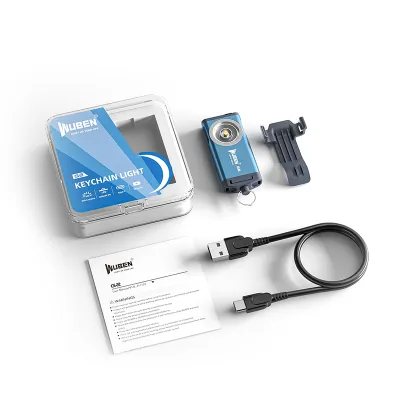
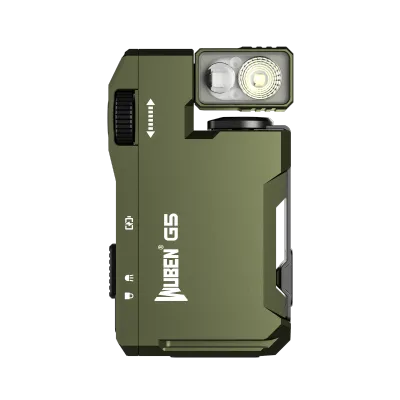
Prices are valid at publication and may change. Please refer to the product page for the latest price.
Space is at a premium in modern BTO (Build-To-Order) flats. Review the official dimensions and weight of the light to ensure it fits comfortably on compact surfaces. A lightweight, pocket-sized design is ideal for placement on narrow entryway consoles, bedside tables, or emergency shelter shelves. Verifying these physical specifications beforehand ensures the device remains easily accessible during a sudden blackout without cluttering your living space.
HDB Compatibility: Installation Rules and Space Planning
If you plan to mount the light in a semi-permanent location, you must navigate HDB renovation and estate rules. Drilling into structural beams, columns, or pre-cast walls inside your flat is strictly regulated, and drilling into public corridor walls outside your unit is generally prohibited by town councils. To remain compliant, check the light’s official mounting accessories. If the device features a magnetic base or a clip, you can utilize non-destructive mounting solutions. Magnetic metal plates with damage-free adhesive backings or heavy-duty adhesive hooks are excellent alternatives for securing the light to painted walls or metal door frames without drilling.

The layout of your HDB flat dictates where emergency equipment should be stored. Narrow hallways, common corridors, and compact BTO living areas require clear pathways. Avoid placing the light or its charging dock in areas where it might obstruct daily movement or create a trip hazard, especially in low-light conditions. If you choose to mount the light near an entryway, ensure it does not protrude into the walking path or interfere with the opening of your main door or metal gate.
Safe charging practices are paramount in high-density housing. When planning where to plug in your device, locate a wall socket that is well-ventilated and free from surrounding clutter. Avoid running long charging cables across walkways, as this presents a significant tripping hazard. Always verify that your charging setup complies with local electrical safety standards, and use high-quality, certified USB adapters to prevent electrical faults or overheating.
Practical Setup and Maintenance in an HDB Home
To maximize the utility of your emergency light, identify strategic deployment zones within your flat. Placing the unit near the main distribution board (DB box) or the household shelter ensures you can quickly locate it during a localized electrical trip. If the light features a diffused beam pattern, it can also serve as a temporary reading light or ambient lamp during a blackout. Position it on a high shelf or mount it pointing toward the ceiling to bounce the light, creating a softer, more widespread illumination throughout the room.
Singapore’s tropical climate brings high humidity and warm ambient temperatures. You must check the manufacturer’s operating and storage temperature limits before deciding where to keep the device. Avoid storing the light in high-heat or high-moisture zones, such as directly above kitchen stoves, inside service yards exposed to direct afternoon sun, or in damp bathroom cabinets. Prolonged exposure to extreme heat and humidity can degrade the internal battery and electronic components, reducing the device’s lifespan and reliability.
Regular maintenance is essential to ensure your emergency light functions when needed most. Establish a monthly routine to test the battery level and verify that all light modes operate correctly. During these checks, inspect the physical condition of the device. Look for warning signs such as a swollen casing, cracks, rust on the charging port, or unusual heat generation during charging. If you observe any of these anomalies, discontinue use immediately and consult the manufacturer’s instructions or a qualified professional for replacement or disposal guidelines.
Frequently Asked Questions (FAQ)
Can I mount the Wuben E2 on my HDB corridor wall?
No, drilling or permanently altering public corridor walls is generally prohibited under HDB and town council regulations to maintain structural integrity and common property standards. If you wish to keep the light near your entrance, check the manufacturer’s specifications for non-destructive mounting options. You can use removable, damage-free adhesive strips or magnetic mounts on your own metal door frame or gate, ensuring the light does not obstruct the common corridor or create a hazard for neighbors.
Is the Wuben E2 bright enough for an HDB living room during a power outage?
To determine if the light is sufficient, compare the manufacturer’s official lumen ratings with the size of your living room. For basic emergency navigation, a light source providing 100 to 300 lumens is typically adequate to illuminate a standard HDB living area. If you require full-room illumination for reading or tasks, check if the device has a high-output floodlight mode. For larger or L-shaped living-dining layouts, you may need to position the light to bounce off a white ceiling or use multiple units to eliminate dark corners.

Community discussion
Share your experience or ask a question. Comments are reviewed before publication.