
Quick Answer: Which Brand Fits Your Study Needs?
Selecting the right study light lamp depends heavily on your specific desk setup, study habits, and budget. There is no single brand that suits every student in Singapore, as each manufacturer designs its products with different priorities in mind.
- Xiaomi is generally best suited for smart home enthusiasts and budget-conscious students who want minimalist designs and app-based control.
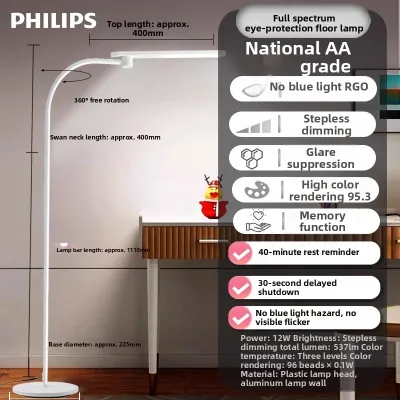
- Philips is highly practical for those seeking reliable, diffused lighting with flexible, multi-axis physical adjustments and established eye-comfort standards.
- BenQ is designed specifically for screen-heavy study environments, offering advanced asymmetric optics that prevent glare on monitors and laptops.
- Panasonic appeals to readers of physical books and art students who require high color rendering and traditional, sturdy physical controls.
Before making a purchase, you must verify the exact specifications of individual models, as features can vary widely within a single brand’s lineup.
Key Criteria for Choosing a Student Study Light Lamp
To evaluate any desk lamp objectively, you should look past marketing claims and focus on verifiable technical specifications and physical designs.
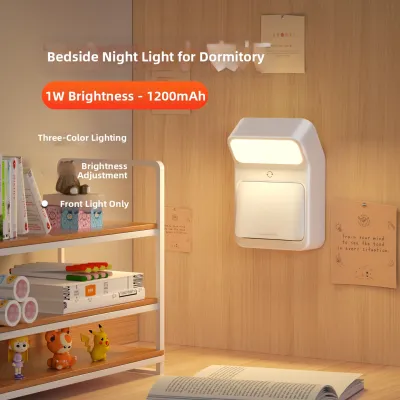
Products mentioned in this guide
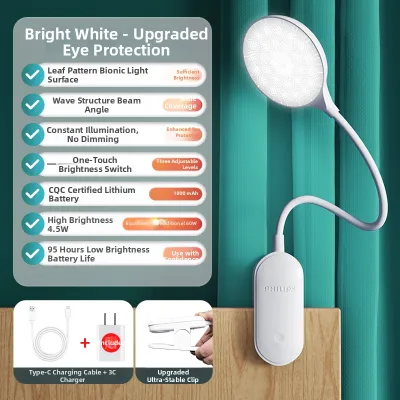
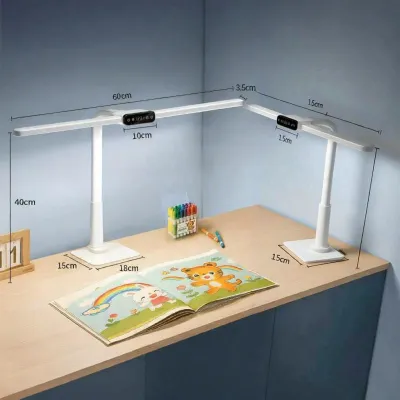
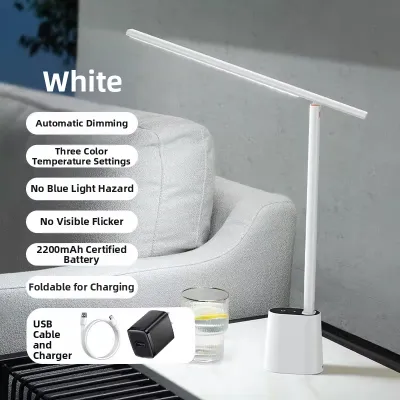
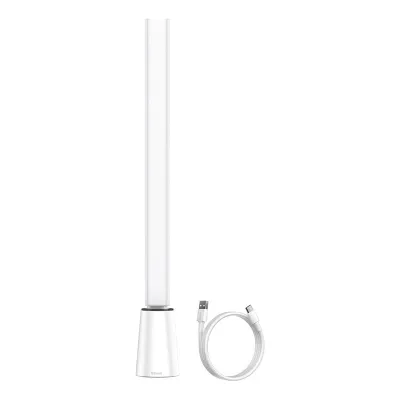
![[SG Local Stock] 2000mAh LED Table Lamp Study Foldable Desk Light Bedroom Bedside Touch Control Dimmable USB Rechargeable 台灯 CNY Gift Present](https://img.lazcdn.com/g/p/254b9aa79170e7ac80d5ab37505c1212.jpg_400x400q80.jpg_.webp)
Prices are valid at publication and may change. Please refer to the product page for the latest price.

Illumination Quality and Color Rendering
When reviewing product packaging or online spec sheets, look for the Color Rendering Index (CRI), often denoted as Ra. A higher CRI (Ra 90 or above) indicates that the light source renders colors more accurately, which is essential for reading physical textbooks, drawing, or studying for long periods without eye strain. Additionally, check the illuminance level, measured in lux, at a specific distance (typically 40 cm) to ensure the lamp provides sufficient brightness for your workspace.
Adjustability and Ergonomics
A good study lamp must adapt to your physical workspace. Look for multi-axis joints, tiltable lamp heads, and adjustable heights. If you study at a compact desk in a typical Singapore HDB flat, a lamp with a heavy, stable base is crucial to prevent tipping when the arm is fully extended. Alternatively, consider models that offer clamp attachments to save valuable desk space.
Power, Voltage, and Local Compatibility
In Singapore, the standard domestic voltage is 230V at 50Hz, and the standard electrical outlet accepts Type G (three-pin) plugs. Always verify that the lamp’s power adapter is compatible with these specifications. If you are purchasing a lamp that uses a USB-C interface, check the minimum wattage and voltage requirements (such as 5V/2A or 9V/1.5A) to ensure your existing power banks or multi-port chargers can supply adequate power.
Glare and Flicker Control
Invisible flicker from low-quality LED drivers can cause headaches and eye fatigue over time. Look for independent certifications on the product box, such as the TÜV Rheinland Flicker Free certification or compliance with IEEE standards. To minimize direct glare, choose lamps with recessed light sources, honeycomb diffusers, or asymmetric optical designs that direct light onto the desk surface rather than into your eyes.
Brand Profiles: What to Expect and Verify
While brands share general design philosophies, you must always check the exact specifications of the specific model you intend to buy. Below is what you should look for and verify across the four major brands.
Xiaomi: Smart Integration and Budget-Friendly Options
Xiaomi study lamps are widely recognized for their clean, minimalist aesthetic and integration into smart home ecosystems. Most models feature built-in Wi-Fi or Bluetooth, allowing you to adjust brightness and color temperature via a mobile application.
- Smart Ecosystem Compatibility: Verify whether the lamp requires a specific smart home hub or if it can connect directly to your home Wi-Fi network. If you already use smart home devices, check if the lamp can be integrated into your existing regional server settings (such as the Singapore server) without requiring you to switch regions in the app.
- Build Materials: Xiaomi offers lamps at various price points. Lower-tier models may rely heavily on plastic components, while mid-range options incorporate aluminum alloy. Check the product weight in the specifications; a heavier base generally indicates better stability when adjusting the lamp arm.
- Control Interface: Many Xiaomi models use a single dial or button to control power, brightness, and color temperature. Ensure this minimalist control scheme fits your preferences, or verify if you prefer dedicated physical buttons for quick adjustments.
Philips: Ergonomic Adjustability and Diffused Lighting
Philips has a long-standing reputation in consumer lighting, focusing heavily on eye comfort and traditional ergonomic designs. Their study lamps often feature specialized diffusers designed to distribute light evenly across the desk.
- Diffuser Technology: Look for models featuring honeycomb lenses or micro-prism diffusers. These designs are engineered to reduce harsh shadows and minimize direct glare on your reading materials.
- Physical Adjustability: Many Philips desk lamps feature long, multi-jointed arms. Verify the maximum reach of the arm and check if the joints can be tightened manually over time if they become loose.
- Eye-Comfort Certifications: Check the product packaging for specific eye-comfort labels. Philips frequently certifies its study lamps against international standards for blue light hazard safety and flicker control.
BenQ: Asymmetric Optics and Monitor-Friendly Designs
BenQ specializes in premium lighting solutions, particularly for students who spend significant time working on desktop monitors, laptops, or tablets. Their designs focus on directing light precisely where it is needed.
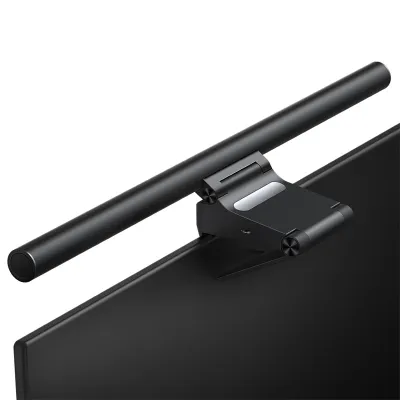
- Asymmetric Light Distribution: BenQ's screen-reading lamps and monitor light bars use specialized reflectors to project light at an angle. This ensures the light illuminates your desk workspace without reflecting off your computer screen or shining directly into your eyes.
- Desk and Monitor Measurements: If you are considering a monitor-mounted light bar, measure your monitor's bezel thickness and back-panel shape. Some curved monitors or ultra-thin bezels may require specific adapters or may not be compatible with standard clamps.
- Premium Build and Sensors: These models often feature aluminum alloy construction and built-in ambient light sensors for automatic dimming. Verify the warranty period and the availability of local customer support, as these lamps represent a larger financial investment.
Panasonic: High Color Rendering and Traditional Build
Panasonic study lamps are known for their robust build quality and focus on natural light replication. They are highly favored by students who prioritize physical reading and writing over screen-based work.
- Color Rendering Index (CRI): Panasonic frequently highlights high CRI values (often Ra 90 to Ra 95) in their study lamp specifications. Verify this rating on the spec sheet if you require precise color differentiation for art, design, or detailed reading.
- Traditional Footprint: Many Panasonic models feature a classic, substantial desk base with dedicated touch sliders or physical buttons for brightness and color temperature. Measure your desk space to ensure the base footprint does not crowd your study materials.
- Auto-Dimming and Timers: Some models include practical features like auto-dimming based on ambient light and auto-off timers to remind students to take breaks. Check the user manual to see if these features can be easily toggled on or off.
Comparing Features, Build Quality, and Specs
To make an informed decision, it is helpful to compare the typical technical attributes of these brands side-by-side. The table below outlines what you should look for when comparing models from each brand.
| Brand | Typical Power Source | Primary Adjustability | Smart Features | Typical Footprint | Key Verification Points |
|---|---|---|---|---|---|
| Xiaomi | USB-C or AC Adapter | Single or dual-axis hinge | App control, voice assistants | Compact, circular base | App server compatibility, base weight |
| Philips | AC Adapter | Multi-axis flexible arm | Touch controls, some smart models | Medium to large base | Joint tension, maximum arm reach |
| BenQ | USB-A, USB-C, or AC | Ball-joint or counterweight clamp | Auto-dimming, touch sensors | Clamp-on or heavy base | Monitor bezel thickness, desk depth |
| Panasonic | AC Adapter | Dual-axis or flexible neck | Touch sliders, auto-dimming | Large, stable base | Base dimensions, exact CRI rating |
Assessing Build Quality and Stability
When comparing models online, pay close attention to the materials listed in the specifications. Aluminum alloy and steel joints offer superior durability compared to plastic hinges, which can wear down or crack under constant adjustment. Read user manuals or product listings to find the net weight of the lamp; a desk lamp weighing under 1 kg may struggle to remain stable if it has a long, adjustable arm, whereas a heavier base (1.5 kg or more) provides a secure anchor on your desk.
Pricing Tiers and Where to Buy Safely
Study lamps in Singapore span a wide range of pricing tiers. Understanding these tiers helps you set a realistic budget based on the features you actually need.
- Budget Tier (Under S$50): Primarily consists of entry-level Xiaomi models and basic Philips desk lamps. These offer reliable illumination and simple physical controls but may feature plastic builds and limited adjustability.
- Mid-Range Tier (S$50 to S$150): Includes advanced Xiaomi smart lamps, mid-range Philips ergonomic lamps, and entry-level Panasonic models. You can expect better build materials, higher CRI ratings, and more flexible adjustment options.
- Premium Tier (Above S$150): Dominated by BenQ's specialized screen-reading lamps and high-end Panasonic models. These feature premium aluminum construction, advanced asymmetric optics, auto-dimming sensors, and extensive local warranties.
Safe Purchasing Practices in Singapore
To ensure you receive an authentic product with a valid local warranty, purchase your study lamp from official brand stores, authorized electronics retailers, or reputable online mall platforms.
Be cautious of unusually low prices on unverified online marketplaces. These products are often parallel imports intended for other markets. Parallel imports may come with incompatible flat-pin plugs, lack the local Safety Mark on the power adapter, and will not be covered by local after-sales support or warranties if the lamp malfunctions.
Final Decision Framework
To choose the right study light lamp for your desk, match your daily study habits and physical setup to the following profiles.
Choose Xiaomi if:
- You want to control your study lamp via your smartphone or integrate it into an existing smart home ecosystem.
- You prefer a minimalist, modern aesthetic that takes up minimal visual space on your desk.
- You are looking for a highly functional lamp at a budget-friendly price point.
Choose Philips if:
- You prioritize physical adjustability and need to position the light source at various heights and angles.
- You prefer soft, highly diffused light that minimizes harsh shadows on physical textbooks.
- You want a reliable, straightforward lamp from an established brand with clear eye-comfort certifications.
Choose BenQ if:
- Your study routine involves spending hours looking at a computer monitor, laptop, or tablet.
- You have limited desk space and prefer a clamp-on lamp or a monitor-mounted light bar.
- You are willing to invest in premium build quality and advanced glare-reduction technology.
Choose Panasonic if:
- You focus primarily on physical reading, writing, sketching, or crafting that requires high color accuracy.
- You prefer a traditional, sturdy desk lamp with dedicated physical buttons or touch sliders.
- You want a heavy, stable lamp base that will not shift when you adjust the light angle.
Critical Verification Checklist Before Buying
Before finalizing your purchase, perform these quick physical and technical checks:
- Measure Your Desk: Ensure the lamp's base footprint fits comfortably on your desk, or verify that your desk edge is compatible with clamp-on models.
- Check the Power Outlet: Confirm that the lamp's power cord is long enough to reach your nearest wall socket, or verify if you need a USB power source nearby.
- Verify the Safety Mark: Ensure the power adapter carries the local Safety Mark for electrical safety in Singapore.
- Review the Return Policy: Check the retailer's return and exchange policy in case the lamp's light distribution or physical size does not suit your workspace once unboxed.

Community discussion
Share your experience or ask a question. Comments are reviewed before publication.