
When comparing the Xiaomi scent diffuser against established brands like Muji and Philips, the best choice depends heavily on your priority: smart home integration, minimalist aesthetics, or straightforward plug-and-play operation. Because specific model specifications and market availability fluctuate, this guide focuses on the verifiable design philosophies, operational frameworks, and maintenance requirements of each brand to help you determine which diffuser truly offers the best value for your space. By understanding how these devices differ in material quality, mist dispersion, control interfaces, and daily upkeep, you can select a model that fits seamlessly into your home environment and daily routines.
Design, Build Quality, and Aesthetics
Most modern diffusers utilize specialized plastics, such as Acrylonitrile Butadiene Styrene (ABS) or Polypropylene (PP). PP is highly resistant to the corrosive nature of pure essential oils, making it the standard choice for water tanks. Xiaomi and Muji frequently employ matte, high-grade PP plastics that resist yellowing and oil degradation, while maintaining a lightweight profile. Philips often incorporates robust, impact-resistant plastics designed for long-term durability in family households.
Xiaomi’s design language is characterized by a clean, stark white, cylindrical aesthetic that blends seamlessly into modern smart home setups. It looks like a natural extension of a tech-forward household. Muji, on the other hand, is famous for its iconic, soft-edged, translucent minimalist design. When turned on, Muji diffusers often double as warm, ambient nightlights, appealing to those who favor cozy, Zen-inspired, or traditional minimalist interior styles. Philips typically designs with a focus on functional, modern home appliance aesthetics, prioritizing stability and clear physical interfaces that fit well in practical, multi-purpose family rooms.
Products mentioned in this guide
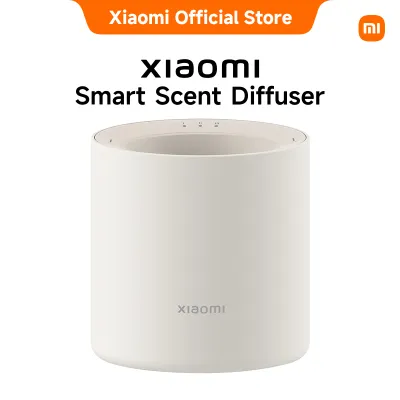
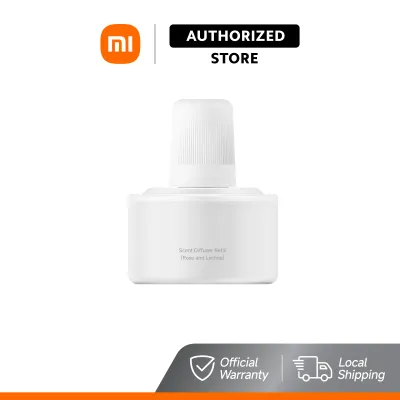
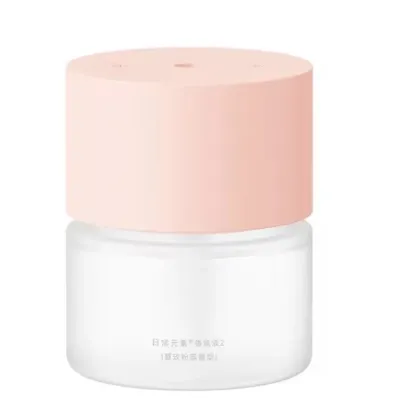
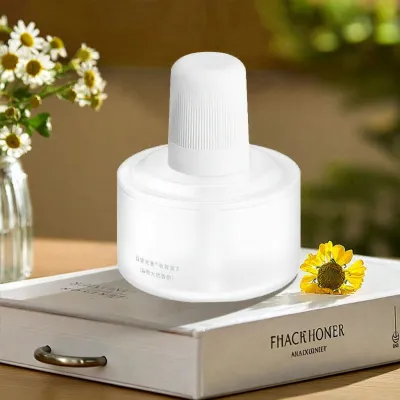
Prices are valid at publication and may change. Please refer to the product page for the latest price.
Before finalizing a purchase, it is essential to look beyond online photos and verify the exact physical dimensions and water tank capacity listed on the product packaging. A larger water tank means longer continuous operation but results in a larger physical footprint on your side table or desk. You should also look for material safety labels, such as BPA-free certifications, to ensure that the mist generated does not carry harmful chemical residues from low-grade plastics.
The physical design also dictates where the device can be safely placed. Some models feature bottom-heavy designs with non-slip rubber feet, which are ideal for high-traffic areas or homes with active pets. Others have top-heavy or slender profiles that require a completely flat, stable surface to prevent accidental tipping. Always measure your intended shelf or bedside table space and compare it against the manufacturer’s specified dimensions to ensure a secure fit.
Mist Output, Coverage Area, and Noise Levels
When comparing performance, look at the mist output rate, usually measured in milliliters per hour (ml/h), and the recommended coverage area in square meters or square feet. Manufacturers calculate these figures under controlled laboratory conditions. For a standard bedroom or study in Singapore, a modest mist output is usually sufficient, whereas open-concept living rooms require a much higher output rate or multiple devices to distribute the scent effectively. Always check the official specification sheet rather than relying on generic product descriptions.

Most diffusers from Xiaomi, Muji, and Philips utilize ultrasonic technology. This method uses a small ceramic disc vibrating at an ultrasonic frequency to break down water and essential oils into a fine, cool mist. This process preserves the integrity of the essential oils because it does not use heat. Some specialized scent machines or nebulizers disperse pure oil directly without water, offering a more intense aroma but consuming oil at a much faster rate. Ultrasonic models remain the preferred choice for those who want a gentle humidifying effect alongside aromatherapy.
Noise level is a critical factor, especially if you plan to use the diffuser in a bedroom or quiet home office. Manufacturers typically list noise levels in decibels (dB). A rating below 30 dB is generally considered quiet enough for sleeping. However, actual noise perception can vary. The sound of bubbling water is common in ultrasonic diffusers, and its intensity often changes as the water level drops.
The surface on which the diffuser rests can also amplify or dampen operational noise. Placing a vibrating ultrasonic diffuser on a hollow wooden desk or a metal shelf can create a resonant humming sound. To minimize noise, place the device on a solid, heavy surface, or use a thin silicone coaster to absorb minor vibrations. Always verify the decibel rating on the product’s technical specification sheet before buying.
Smart Features, Controls, and Usability
The daily user experience varies significantly across these brands. Xiaomi is highly integrated into the smart home ecosystem, often allowing users to control the device via a mobile app or voice commands through compatible smart assistants. This allows you to adjust mist intensity, set timers, and control built-in lighting from your smartphone. In contrast, Muji and Philips generally favor physical simplicity, utilizing tactile buttons, simple dials, or touch-sensitive panels directly on the device body.
Smart connectivity offers immense convenience, such as scheduling the diffuser to turn on just before you arrive home or integrating it with a smart humidity sensor. However, this comes with setup steps and potential connectivity troubleshooting. For users who prefer a screen-free environment or want a device that guests and elderly family members can operate instantly, the physical buttons on a Muji or Philips diffuser offer straightforward, reliable plug-and-play operation without any digital distractions.
If you choose a smart model like Xiaomi’s, you must verify the technical prerequisites before purchasing. Most smart home appliances operate strictly on 2.4 GHz Wi-Fi bands and may not connect to 5 GHz networks. Check your home router settings and ensure the mobile app is compatible with your smartphone’s operating system version. Additionally, confirm whether the device requires a specific regional server setting within the app, as some imported models may not pair if your app is set to a local region.
Maintenance, Cleaning, and Safety Boundaries
Regular maintenance is vital to keep any ultrasonic diffuser operating safely and to prevent the growth of mold or bacteria in the water tank. You should empty the water tank and wipe it dry after every few uses, especially when changing essential oil scents. The small ultrasonic plate at the bottom of the tank can accumulate mineral deposits from tap water, which reduces mist output over time. Gently cleaning this plate with a soft cotton swab dipped in a mild, diluted cleaning solution recommended by the manufacturer will help maintain optimal performance.
Proper placement is essential to prevent damage to your home and ensure personal safety. Because diffusers release moisture, they should never be placed directly next to sensitive electronic equipment, power sockets, or on untreated wooden furniture that can warp from moisture exposure. Keep the device out of direct sunlight to prevent the plastic from degrading and to keep the water inside from heating up. Additionally, ensure the diffuser is placed on a high, stable surface out of reach of young children and pets, as some essential oils can be toxic to animals if ingested or inhaled in high concentrations.
If you observe any operational anomalies, such as water leaking from the base, unusual grinding noises, or a sudden complete failure to produce mist, disconnect the power supply immediately. Do not attempt to disassemble the internal electrical components yourself, as this can void the warranty and pose an electrical hazard. Instead, refer to the troubleshooting section of your user manual or contact the manufacturer’s official customer support channel for guidance or repair options.
Decision Framework: Which Diffuser Fits Your Needs?
If you want a fully integrated smart home experience, Xiaomi is an excellent fit. If you enjoy setting up automated routines—such as having your diffuser turn on automatically when your smart air conditioner starts—or if you want to control your home’s scent profile remotely, Xiaomi’s connected ecosystem is highly suitable. It offers high customizability, precise scheduling, and modern tech features at a competitive price point, making it ideal for tech-savvy households.
If you value aesthetic harmony and tactile simplicity, Muji or Philips is a better choice. If your goal is to create a serene, screen-free sanctuary, Muji’s iconic minimalist design and warm, ambient glow make it a beautiful addition to bedrooms and relaxation spaces. If you prefer a highly reliable, straightforward home appliance with intuitive physical controls and a focus on durable family-friendly construction, a Philips diffuser provides hassle-free operation without the need to navigate mobile apps or Wi-Fi configurations.
Regardless of the brand you select, always verify the electrical specifications of the device when buying from online marketplaces or third-party sellers. Ensure the voltage rating matches Singapore’s standard 230V supply and that the device comes with a compatible plug type. Additionally, check the seller’s warranty terms, as parallel imported models may not be covered by local official service centers, meaning you would have to rely on seller-specific return policies if a defect occurs.
Frequently Asked Questions (FAQ)
Can I use any brand of essential oil in a Xiaomi or Muji diffuser?
Generally, you can use any high-quality, pure essential oil in ultrasonic diffusers from Xiaomi or Muji. However, you should avoid using thick carrier oils (like jojoba or coconut oil) or synthetic fragrance oils that contain heavy chemical solvents. These thick or synthetic liquids can clog the delicate ultrasonic vibration plate and degrade the plastic water tank over time. Always read the manufacturer’s instruction manual to see if there are specific restrictions on oil types, and stick to water-soluble essential oils to ensure the longevity of your device and protect your warranty.
Do smart diffusers consume a lot of electricity?
No, ultrasonic diffusers are highly energy-efficient appliances. You can verify the exact power consumption by checking the wattage rating printed on the manufacturer’s label, which typically ranges between 10 to 24 watts. When the device is actively misting, it consumes very little electricity compared to larger household appliances. While smart diffusers do consume a tiny amount of standby power to remain connected to your Wi-Fi network, this draw is negligible. To optimize energy use, you can use the app’s built-in timers or scheduling features to ensure the device only runs when you are in the room.

Community discussion
Share your experience or ask a question. Comments are reviewed before publication.