
Quick Answer: Choosing Between Xiaomi and Philips for Studying
Choosing a study lamp in Singapore involves balancing modern smart features with dedicated optical engineering. A typical Xiaomi light often appeals to those who want seamless integration into a smart home ecosystem, minimalist aesthetics, and app-based scheduling. Conversely, a Philips study lamp typically focuses on traditional lighting ergonomics, physical controls, and specialized optical designs aimed at reducing eye strain.
Before making a purchase, you must verify key specifications on the product packaging or official listing. These include the local safety certification, voltage compatibility, and physical dimensions to ensure the lamp fits your desk setup. Neither brand offers a universal advantage; your choice depends on whether you prioritize connected smart features or specialized, standalone optical performance.
Eye Comfort: Evaluating Flicker, Glare, and Color Rendering
Flicker can cause subtle eye strain and headaches during long study sessions. When evaluating a Xiaomi light or a Philips lamp, look for explicit “flicker-free” certifications on the product label. Manufacturers often use high-frequency pulse-width modulation or constant current drivers to minimize visible and invisible flicker, which you can verify by checking the technical specifications on the box.
Products mentioned in this guide
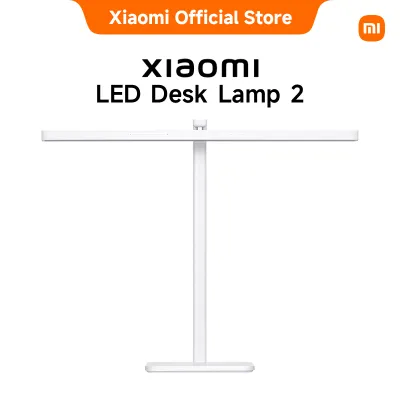
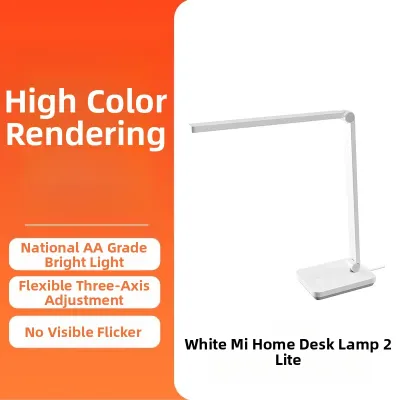
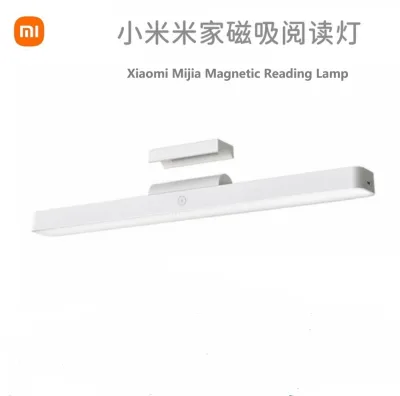
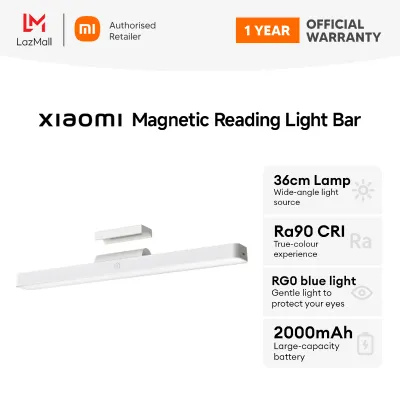
Prices are valid at publication and may change. Please refer to the product page for the latest price.

Glare is another major contributor to eye fatigue. Inspect the lamp head design to see if it features an anti-glare diffuser, a honeycomb lens pattern, or an asymmetrical light path. These physical structures help distribute light evenly across your study materials rather than reflecting a harsh, concentrated beam off your textbook pages or computer screen. Asymmetrical designs are particularly useful if you study with a laptop or monitor, as they direct light onto the desk surface without reflecting off the screen.
To ensure safety from blue light hazards, check the packaging for photobiological safety certifications. Look for a rating of RG0 (Exempt Group), which indicates that the light source poses no photobiological hazard during normal use. This rating is crucial for students who spend consecutive hours reading under artificial light.
The Color Rendering Index (CRI or Ra) determines how accurately you perceive colors under the lamp. For studying, reading diagrams, or working on design projects, look for a CRI rating of Ra 90 or higher. You can find this rating listed under the optical specifications on the product box. A higher CRI ensures that colored diagrams, maps, and text highlights appear vivid and true to life.
Light uniformity and shadow reduction are also critical for comfortable reading. A long, rectangular lamp head or a circular ring design generally provides wider coverage and fewer shadows than a small, single-point light source. Check the LED bead arrangement in the product manual to understand how the light is dispersed across your desk surface. A wider light distribution reduces the contrast between the bright study area and the darker surroundings, which helps relax your eyes.
Brightness and Adjustability: Matching Your Room and Task Needs
Your study environment changes throughout the day, requiring different levels of brightness. Check the maximum lux or lumen output of the lamp to ensure it can sufficiently illuminate your workspace. Look for models that offer step-less dimming or multiple preset brightness levels, allowing you to adjust the intensity based on ambient room light. Some advanced models feature built-in ambient light sensors that automatically adjust the lamp’s brightness as daylight fades.
When comparing brightness levels, look for national or international illuminance standards printed on the packaging, such as Class A or Class AA ratings. These ratings indicate that the lamp meets specific criteria for central illuminance and uniformity over a designated work area. A Class AA rating generally offers wider and more uniform brightness across a larger desk surface compared to a Class A rating.
Adjustable color temperature helps you transition between focused study sessions and relaxing evening reading. Cooler light temperatures, around 4000K to 5000K, are generally associated with alertness and focus, making them suitable for daytime studying or technical work. Warmer temperatures, below 3000K, are softer on the eyes at night and help prepare your mind for sleep. Verify the available Kelvin range on the product specifications to ensure it supports both modes.
Physical adjustability is essential for directing light precisely where you need it without causing direct glare. Examine the design of the lamp arms, joints, and rotating heads. A multi-axis hinge system allows you to lower the light source close to your book or raise it to illuminate a larger area, depending on your desk layout. Ensure the joints are sturdy and hold their position over time without drooping.
Build Quality, Smart Controls, and Desk Footprint
The materials used in the construction of the lamp directly affect its durability and stability. Many modern lamps utilize aluminum alloy or high-grade ABS plastics for the arm and head. Metal components generally offer better heat dissipation, which is important for extending the lifespan of the integrated LED beads. Ensure the base is sufficiently weighted to prevent the lamp from tipping over when the arm is fully extended across your desk.
Control interfaces vary significantly between these two brands. A typical Xiaomi light often emphasizes smart home integration, allowing you to adjust settings via a mobile app, set automated schedules, or use voice commands. These smart features usually require a stable 2.4GHz Wi-Fi connection for initial setup. Philips lamps frequently prioritize physical touch controls, slider bars, or tactile dials directly on the base for quick, offline adjustments, making them highly reliable and straightforward to operate.
Before buying, measure your available desk space and compare it to the lamp’s physical footprint. If you have a compact study desk, look for models with a slim base or clamp-on options that attach to the edge of the table. A clamp-on design frees up valuable desk space for books, laptops, and writing materials.
Cable management and power input types are also worth checking. Some models use a proprietary power adapter, while others utilize a standard USB-C port. A USB-C input offers greater flexibility, as you can power the lamp using a compatible phone charger or a power bank during temporary power outages or when studying away from a wall socket.
Pricing, Availability, and Warranty Considerations
When comparing prices across official brand stores and authorized e-commerce platforms, look at the total cost of ownership in S$. Some smart models may require separate hubs or specific power adapters, so check if these accessories are bundled with the main unit or require an additional purchase. Avoid parallel import models that may lack local compatibility or safety certifications.
Electrical safety is a paramount consideration for any appliance in Singapore. You must verify that the lamp carries the local Safety Mark on its power adapter or body. This certification ensures the device has been tested to meet local electrical safety standards, operates safely at the standard 230V voltage, and features a compatible three-pin plug. Using non-certified adapters can pose electrical hazards and void your home insurance.
Warranty terms provide peace of mind, especially for integrated LED lamps where the light source cannot be easily replaced. Check the manufacturer’s warranty duration and coverage details. Ensure the warranty covers the LED driver, smart connectivity modules, and physical joints, and verify where the local service center is located for easy repairs or replacements. A local warranty ensures you can quickly resolve any issues without shipping the product overseas.
Final Decision Framework: Matching the Lamp to Your Study Habits
To finalize your choice, consider how your daily study habits align with the design philosophies of each brand.
Choose a Xiaomi light if:
- You already use a smart home ecosystem and want to control your study light via an app or voice assistant.
- You prefer a minimalist, sleek aesthetic with hidden cables and a compact base.
- You want to set automated schedules, such as a timer that dims the light to remind you to take a break.
- You require a highly customizable light where you can save specific brightness and color temperature presets via an app.
Choose a Philips study lamp if:
- You prioritize dedicated optical technologies designed specifically for long-term eye comfort and glare reduction.
- You prefer immediate, physical controls like touch sliders on the lamp base without relying on a smartphone app.
- You want a robust, traditional build that focuses entirely on stable, high-quality illumination.
- You prefer a plug-and-play device that does not require Wi-Fi setup or firmware updates to access its full range of features.
Verify first if:
- The specific model variant you are looking at is designed for the Singapore market with the correct voltage and plug type.
- Your desk dimensions can comfortably accommodate the lamp's base or clamp mechanism.
- The local retailer offers an official warranty rather than a parallel import with limited local support.
Frequently Asked Questions (FAQ)
Can I use a smart desk lamp without a Wi-Fi connection?
Yes, you can use a smart desk lamp without an active Wi-Fi connection. The physical buttons, dials, or touch controls on the lamp base will continue to function normally, allowing you to turn the light on and off, adjust brightness levels, and change color temperatures manually.
However, offline use means you will lose access to advanced smart features. You will not be able to control the lamp remotely via a mobile app, use voice commands, set automated schedules, or receive firmware updates until the device is reconnected to a compatible wireless network.

Community discussion
Share your experience or ask a question. Comments are reviewed before publication.