
Selecting a scented candle is more than just picking an appealing aroma; it is about designing the invisible architecture of your home. The scent you choose acts as an emotional anchor, shifting the energy of a room from a bustling, productive workspace to a serene sanctuary. To find a suitable Yankee Candle fragrance, you must first identify the specific mood you want to cultivate and understand how different fragrance families interact with your living space. By matching your desired atmosphere with the correct scent profile, you can transform any room into a personalized retreat.
Understanding Yankee Candle Fragrance Families
To narrow down your search, it helps to understand the core scent categories. Yankee Candle organizes its fragrances into distinct families, each characterized by specific olfactory notes that influence the overall feel of a room.
Fresh and clean profiles often feature notes of cotton, linen, white flowers, and ocean air. They evoke the feeling of crisp sheets dried in the sun or a cool sea breeze. In smaller or more enclosed spaces, these scents help create an illusion of openness and cleanliness, making them excellent for refreshing a room after cooking or cleaning.
Products mentioned in this guide
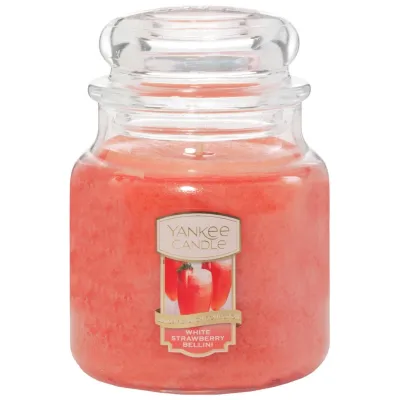
![[Home Scent] Yankee Candle Midsummers Night Classic Large Jar 623g (100% Authentic from Acebela)](https://img.lazcdn.com/g/p/4afc7cf6f6df5a21424984b6a609e26a.png_400x400q80.png_.webp)
![[Home Scent] Yankee Candle Camellia Blossom Classic Large Jar 623G (100% Authentic from Acebela)](https://img.lazcdn.com/g/p/60f8eb6f564c9dcc884660cd97b5f5b8.jpg_400x400q80.jpg_.webp)
![[SG Stock] Yankee Candle Large Jar 623g](https://img.lazcdn.com/g/p/619ff7a907d10b261697728c549d3d64.png_400x400q80.png_.webp)
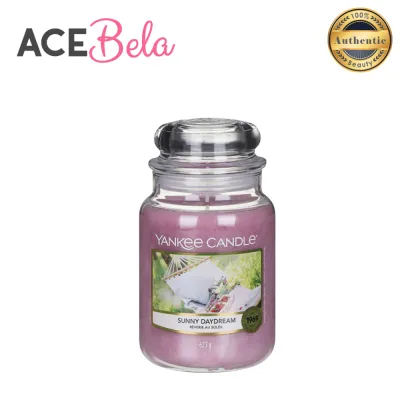
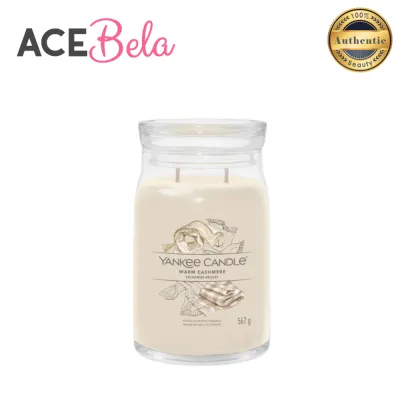
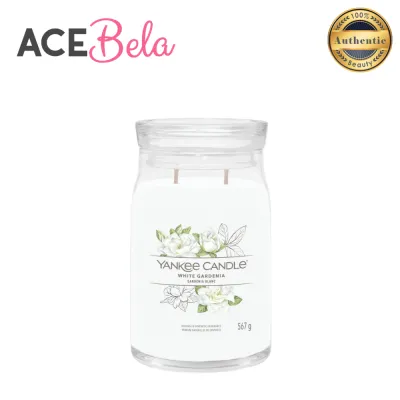

Prices are valid at publication and may change. Please refer to the product page for the latest price.
Floral arrangements centered around classic blooms like rose, jasmine, peony, and lavender offer a traditional, elegant garden experience. They can range from light and powdery to rich and heady. These fragrances are highly versatile, bringing a touch of natural beauty indoors and softening the atmosphere of modern, minimalist interiors.
Woody and earthy bases utilize notes of sandalwood, cedar, patchouli, and pine to ground a space with their deep, warm, and organic qualities. They mimic the comforting aroma of a forest walk or a crackling fireplace. These scents are ideal for creating a sense of stability, warmth, and quiet sophistication in living areas or study rooms.
Sweet and gourmand notes include rich vanilla, warm bakery accords, spun sugar, and sweet fruits. These fragrances appeal to our sense of taste, evoking memories of freshly baked treats or sweet desserts. They are highly effective at making a space feel instantly cozy, warm, and deeply comforting, though they require careful placement to avoid overwhelming smaller rooms.
Seasonal and spiced blends often combine cinnamon, clove, nutmeg, and warm ginger with seasonal fruits or woody undertones. These scents are deeply nostalgic, often associated with festive holidays, cooler weather, and intimate gatherings. They add a layer of rich, inviting warmth that makes any room feel sheltered from the outside world.
Matching Scents to Specific Moods and Occasions
Once you understand the fragrance families, you can map them directly to the activities and emotional states you want to support in different areas of your home.

For relaxation and unwinding after a demanding day, transitioning your mind into a state of rest requires calming sensory cues. Gentle scents, particularly those featuring lavender, chamomile, or soft vanilla, are highly suited for bedrooms and bathrooms. These fragrance profiles help signal to your nervous system that it is time to slow down. When preparing a bath or winding down before sleep, lighting a candle with these gentle, soothing notes creates a quiet sanctuary, helping you detach from daily stressors.
When you need energizing and focusing in home offices, study corners, or during morning routines, you want a scent that sharpens the mind and boosts alertness. Citrus-heavy profiles, such as lemon, grapefruit, and mandarin, combined with fresh herbs like mint or eucalyptus, are excellent choices. These bright, zesty aromas provide a clean, uplifting sensory experience that can help combat afternoon fatigue and maintain focus during long working hours without the heaviness of sweeter scents.
To create a cozy and comforting atmosphere on rainy afternoons or quiet evenings spent reading, the goal is to make your living space feel like a protective cocoon. Warm, rich fragrances from the gourmand and woody families—such as amber, toasted marshmallow, or warm cedarwood—are ideal for this mood. They wrap the room in a metaphorical blanket, making large spaces feel more intimate and inviting you to slow down, curl up, and enjoy the present moment.
For entertaining and welcoming guests, your fragrance choice should make your home feel clean, inviting, and sophisticated without overpowering your visitors’ senses. Light, fresh, or subtle floral blends are the safest and most effective options for living rooms and entryways. Scents that mimic a gentle breeze, clean linen, or soft white tea create an immediate impression of hospitality and cleanliness, ensuring your guests feel comfortable from the moment they step through the door.
How to Test and Evaluate Scents Before Buying
Before committing to a large candle, taking a systematic approach to testing ensures the fragrance performs well in your unique living environment.
When browsing candles, the initial aroma you smell from an unlit jar is known as the “cold throw.” While this gives a good indication of the fragrance profile, the “hot throw”—the scent emitted when the wax is fully melted—can behave differently. Heat alters how fragrance oils evaporate, sometimes revealing deeper base notes that were masked when cold. Always keep in mind that the burning candle may have a richer, more complex character than the cold wax suggests.
If you are unsure how a fragrance will perform in your specific home environment, committing to a large jar can be risky. Utilizing smaller formats like wax melts, votives, or tea lights is an excellent, cost-effective way to test a scent. These smaller options allow you to observe how the fragrance disperses in your rooms and whether it suits your daily routine before investing in a full-sized candle. When using electric wax warmers for this purpose, always verify that the device matches local electrical standards—such as Singapore’s 230V voltage—and carries valid safety certifications to prevent electrical hazards.
Much like fine perfumes, candle fragrances are constructed with top, mid, and base notes. The top notes are the initial, fleeting scents you notice first. The mid notes form the heart of the fragrance, while the base notes are the heavy, lingering aromas that persist long after the candle is extinguished. Checking the product label or description for these notes helps you understand how the scent will evolve over hours of burning.
The effectiveness of a candle’s scent throw depends heavily on the physical characteristics of your space. A large, open-concept living room with high ceilings requires a larger candle or a multi-wick jar to distribute fragrance effectively. Conversely, a small bedroom or bathroom can easily become overwhelmed by a strong, heavy scent. Consider the airflow and volume of your room to choose a candle size and fragrance intensity that balances the space beautifully.
Candle Care and Safety for the Best Fragrance Experience
Proper maintenance not only extends the life of your candle but also ensures the fragrance oils burn cleanly without being compromised by smoke or soot.
To maintain a clean, soot-free burn and preserve the true profile of your fragrance, always trim the wick to about 3 to 5 millimeters before every single burn. A long or mushroomed wick produces excess soot, which can discolor the jar and introduce a smoky, burnt smell that ruins the delicate fragrance notes of your candle.
On the very first burn, it is crucial to let the candle remain lit until the wax pool liquefies completely across the entire surface to the edges of the jar. This process, which can take several hours depending on the jar size, sets the “wax memory.” Failing to do this causes tunneling, where the wick burns straight down the center, wasting a significant portion of the wax and reducing the candle’s lifespan.
Always consult the safety and usage instructions printed on the bottom of the candle jar. These labels provide essential details, such as the maximum recommended continuous burn time (typically four hours) and safety warnings. Adhering to these guidelines prevents the glass jar from overheating and ensures a safe, controlled burn.
Place your candle on a stable, heat-resistant surface away from open windows, ceiling fans, air conditioning vents, or high-traffic pathways. Drafts cause the flame to flicker excessively, leading to an uneven burn, rapid wax consumption, and soot buildup. A calm, steady flame ensures a consistent, even melt pool and a steady release of fragrance throughout your home.
Frequently Asked Questions (FAQ)
Do Yankee Candle scents smell different in Singapore's tropical climate?
Yes, environmental factors like high humidity and ambient temperature can subtly influence how you perceive candle fragrances. High humidity can make heavy, sweet, or highly concentrated scents feel more intense and cloying, while lighter, fresh notes may disperse more quickly. If you are burning candles in an air-conditioned room, the cooler, drier air will help the fragrance throw more cleanly and consistently, similar to temperate climates. To preserve the quality of your candles in a tropical environment, store them in a cool, dry cupboard away from direct sunlight and heat, which can cause the wax to soften or the fragrance oils to sweat out.
How long does a standard Yankee Candle jar last?
The lifespan of a candle depends heavily on its size, the number of wicks, and how well it is maintained. You should always check the specific estimated burn time printed on the product label for the most accurate guidance. Factors such as burning a candle in a drafty area, failing to trim the wick, or leaving it lit for longer than the recommended four-hour limit can cause the wax to burn away much faster than expected. Additionally, multi-wick jars melt the wax more quickly to create a rapid scent pool, which may result in a slightly shorter overall burn time compared to a single-wick jar of the same volume.
Can I mix different Yankee Candle scents in the same room?
Layering different fragrances can create a unique, multi-dimensional atmosphere in your home, but it requires a thoughtful approach to avoid clashing. To ensure a harmonious blend, it is safest to combine candles from the same fragrance family, such as pairing two different fresh scents or mixing complementary woody notes. Avoid burning heavy, dominant gourmand scents alongside delicate florals or crisp, clean profiles, as they can compete and create an overwhelming, confusing aroma. A great way to experiment with scent layering without committing to multiple large jars is to use different wax melts in separate warmers across the room, allowing you to adjust the balance easily.

Community discussion
Share your experience or ask a question. Comments are reviewed before publication.